NexoraGPU
NexoraGPU
NexoraGPU
Explore our collection of CE certified high-performance rack servers, Xeon processors, and memory solutions optimizing modern global DevOps automation.
Bridging raw physical performance with high-velocity software deployment automation.
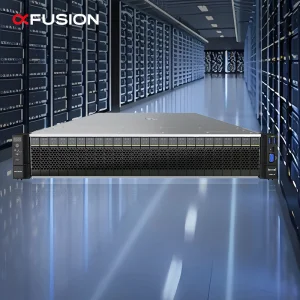
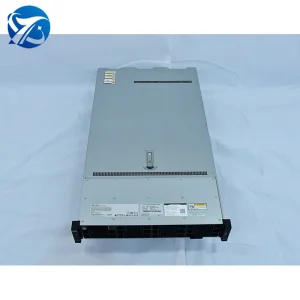
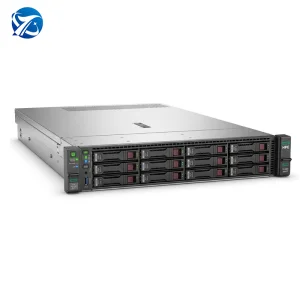
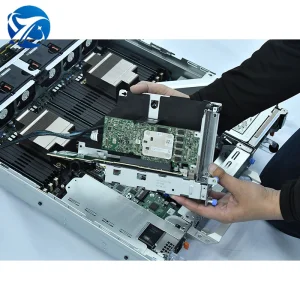
We design and manufacture multi-socket rack configurations supporting scalable workloads, optimized for high-volume compilation runs and test environments.
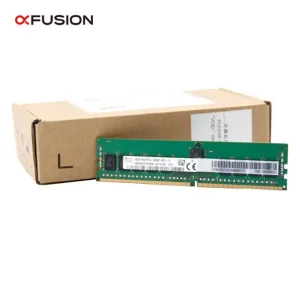
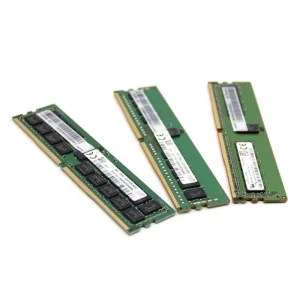
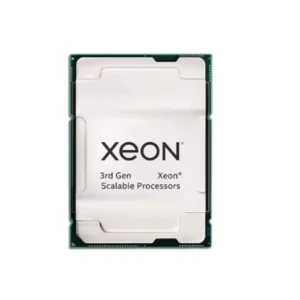
Deploy custom ECC memory configurations to eliminate pipeline bottlenecks and prevent memory crashes during virtualization layer operations.
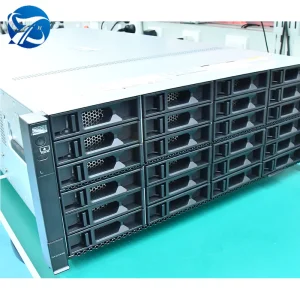
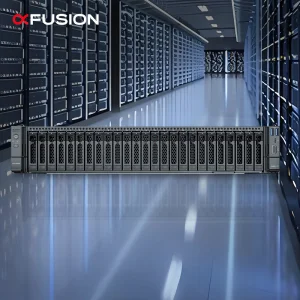
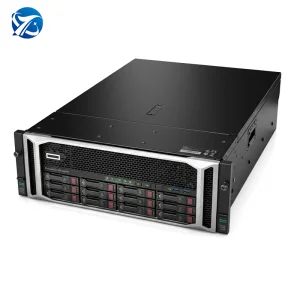
Maximize throughput with storage servers optimized for repository hosting, image registries, and rapid artifact caching across continuous deployments.
Modern enterprise environments require continuous integration and continuous delivery (CI/CD) pipelines to operate at maximum efficiency. While software-defined configurations dominate conversation, they rely heavily on underlying physical infrastructure. Compute density, raw memory throughput, and storage architectures act as the foundation of these deployments. Without high-performance physical server nodes, pipeline compilation tasks, container provisioning, and automated system validation tests bottleneck, delaying code delivery cycles.
As a specialized manufacturer, Nexora Intelligent Technology Co., Ltd. builds hardware systems specifically optimized for these intensive workflows. We provide configurations featuring multi-socket processing, scalable memory layouts, and high-performance PCIe topologies to support complex container workloads and microservice clusters.
"System performance is bounded by physical constraints. Optimizing the hardware architecture layer remains essential for organizations seeking to scale deployment velocity and maintain pipeline stability."
Deploying servers in international markets requires rigorous compliance with safety, health, and environmental standards. CE certification confirms that our server architectures meet the European Union's requirements for electromagnetic compatibility, low-voltage safety, and hazardous material restrictions. This certification is critical for global IT procurement managers who require reliable hardware nodes across multiple geographic data centers.
Our quality control processes ensure compliance with international regulatory frameworks. Each system undergoes functional verification, thermal evaluation under full load, and validation of electromagnetic shielding properties to guarantee safe, continuous operation in enterprise data centers.
Evaluating the convergence of AI, microservices, and sustainable computing in physical data centers.
Artificial Intelligence continues to integrate into the development lifecycle, demanding specialized infrastructure configurations. Modern teams require GPU-accelerated runners for automated testing of large language models, computer vision neural networks, and deep reinforcement models. This requires compute clusters that support high-density GPU configurations, rapid bus communications, and thermal systems capable of dissipating high TDP levels.
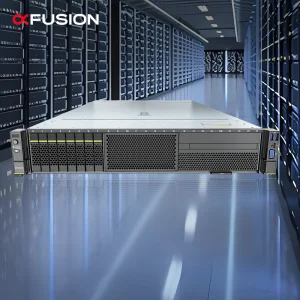
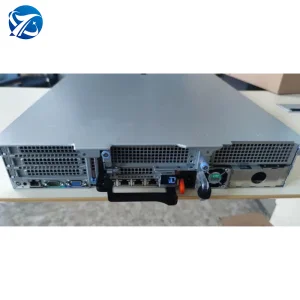
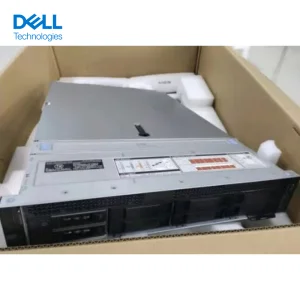
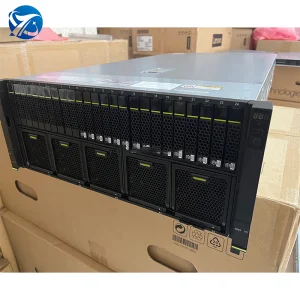
Our GPU storage servers, including the Dell PowerEdge and xFusion server systems, provide the acceleration required for heavy computing jobs. This allows organizations to build, evaluate, and package intelligent applications without external infrastructure bottlenecks.
As microservice architectures scale, virtualization platforms experience massive memory allocation demands. Compiling and running thousands of concurrent testing containers requires high-capacity DDR5 ECC memory running at high frequencies (up to 6400MHz). System memory must offer the bandwidth and ECC correction capabilities necessary to prevent silent data corruption and runtime crashes.
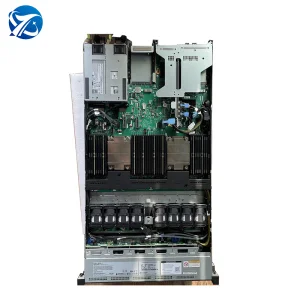
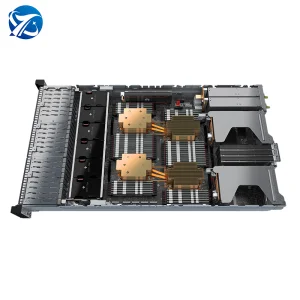
Data centers prioritize energy efficiency and low power usage effectiveness (PUE). Modern hardware platforms must optimize power supply configurations (such as Platinum/Titanium grade PSUs) and thermal heatsinks to control cooling requirements. Standardized 1U and 2U server form factors require complex interior airflow paths to cool multi-core processors under continuous deployment loads.
Nexora Intelligent Technology Co., Ltd. develops rack designs using efficient heat dissipation systems, balancing computing power with power efficiency to support sustainable global deployments.
Nexora Intelligent Technology Co., Ltd. - Driving excellence in global high-performance computing.
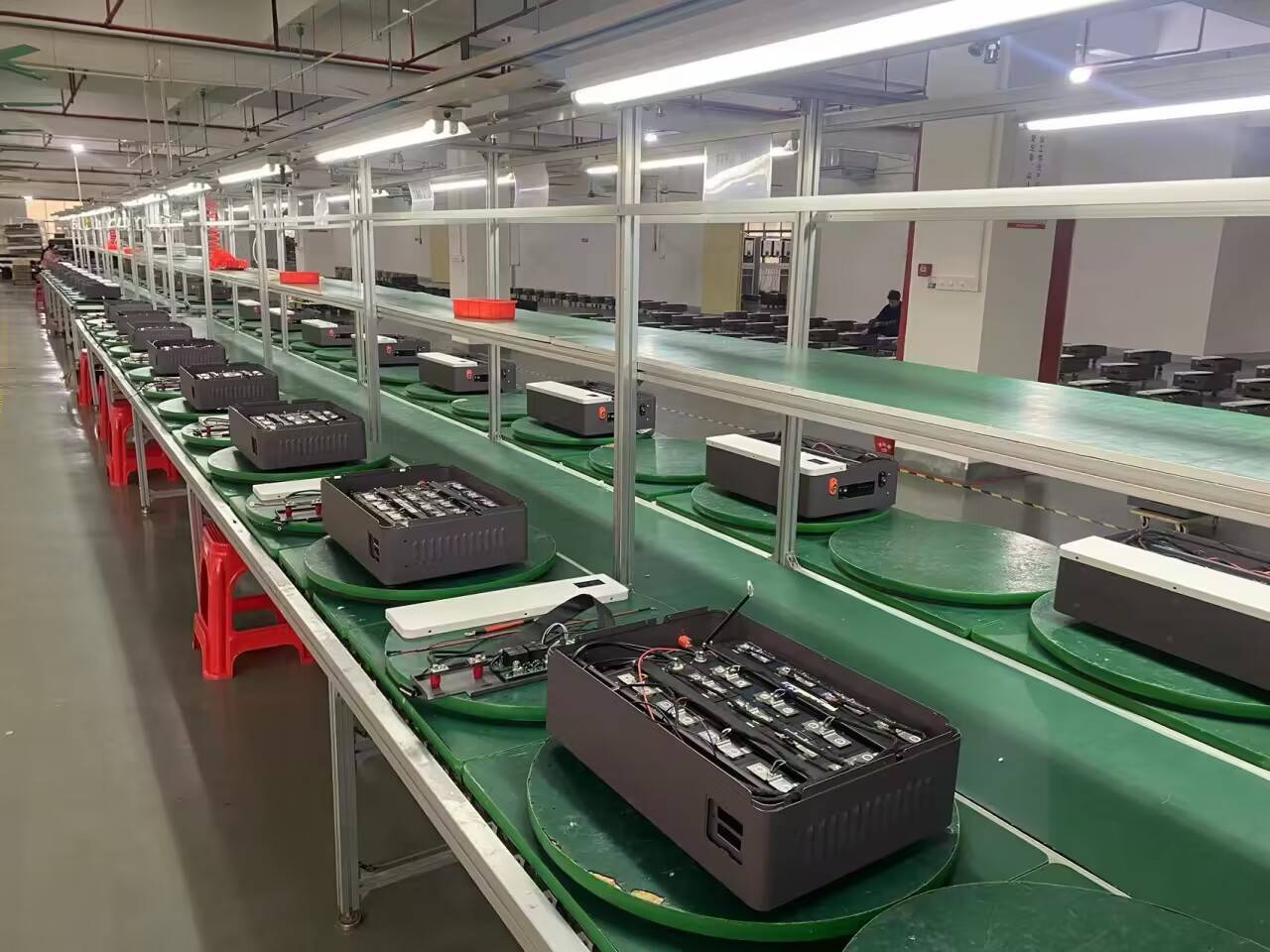
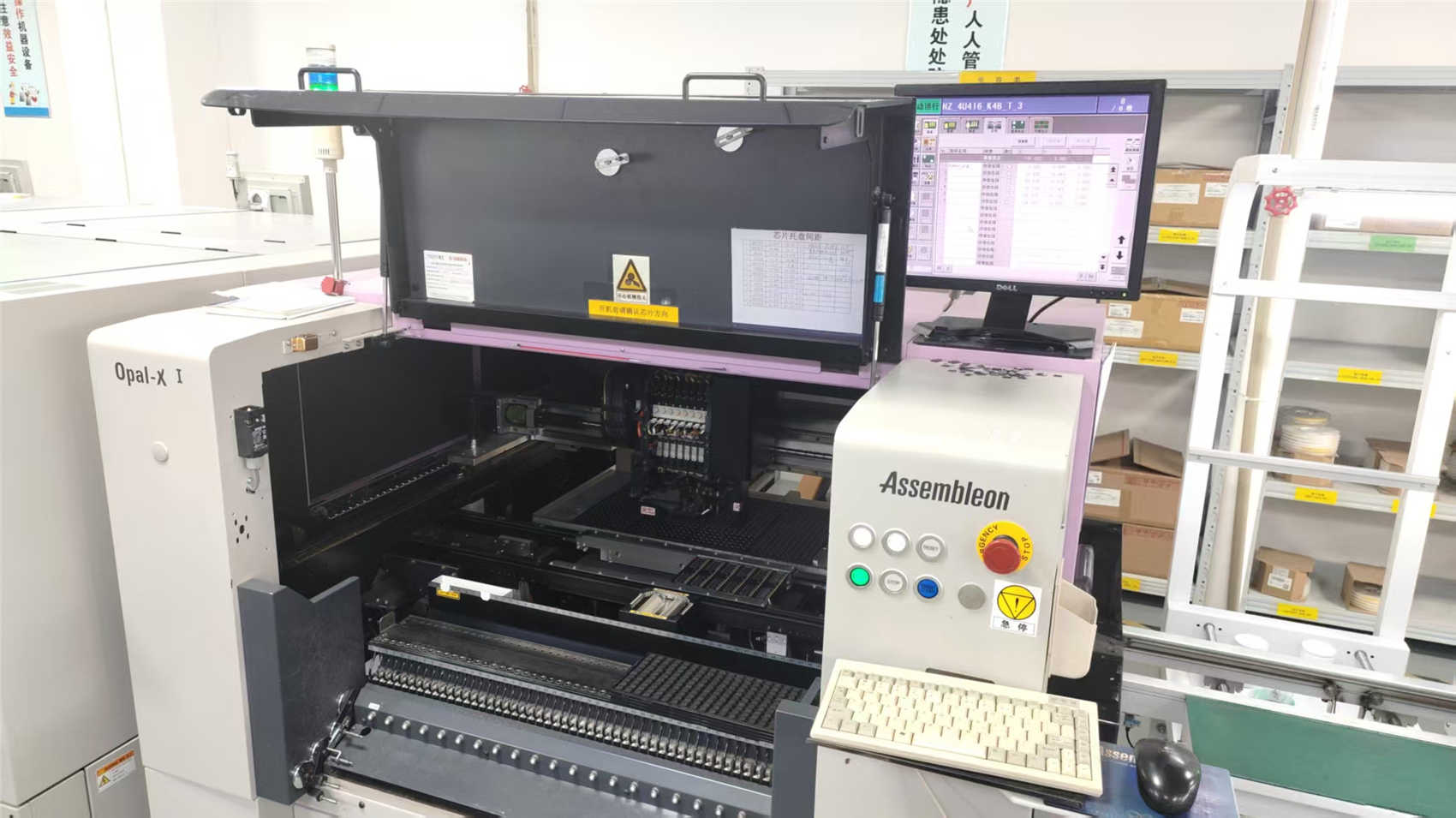
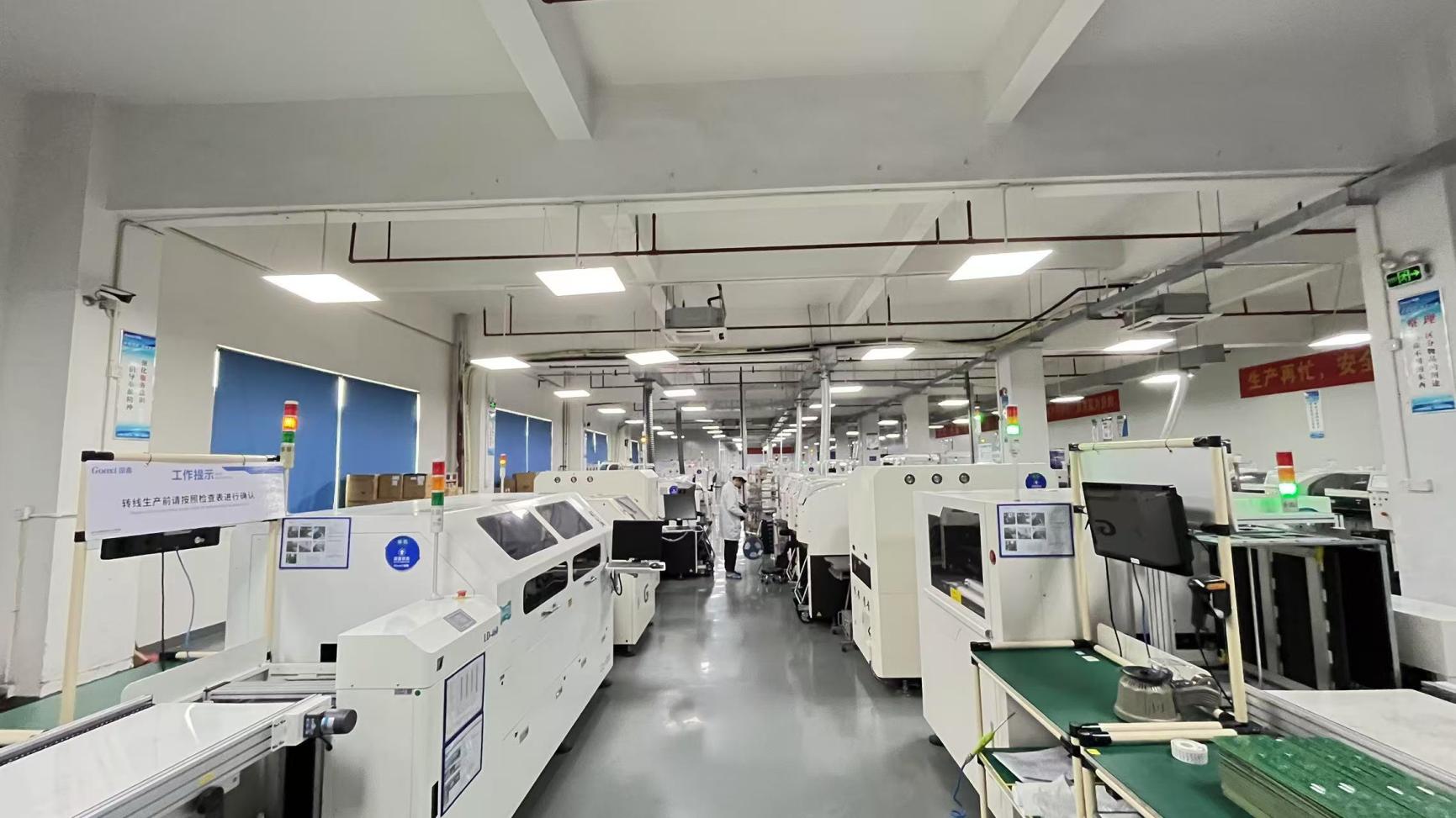
Founded in 2017, Nexora Intelligent Technology Co., Ltd. (brand name: NexoraGPU) is an OEM & ODM manufacturer specializing in high-performance GPU servers, AI computing systems, HPC clusters, storage systems, and customized data center solutions. Operating a modern facility covering 386㎡, we supply systems to enterprise companies, AI startups, research organizations, universities, and cloud service providers globally.
With 9 years of industry experience and 6 years of export experience, NexoraGPU has built a strong market position. Our annual export revenue exceeds US$18 million, serving customers in North America, Europe, Southeast Asia, the Middle East, and South America. We support our manufacturing processes with a supply chain network of over 1,250 partners.
Quality assurance is managed by 42 professional quality control personnel. Every system undergoes extensive testing procedures, including component verification, burn-in testing, thermal performance evaluation, power stability validation, and compatibility checks. Testing protocols include 100% functional validation, aging tests, and performance benchmarking to ensure high reliability in critical environments.
Our internal R&D department of 128 experienced engineers focuses on server design, thermal engineering, AI deployment configurations, and hardware optimization. We offer tailoring services including custom GPU setups, physical chassis designs, storage configurations, network optimization, and system branding. Last year, we introduced 86 new products, extending our range of AI servers, GPU workstations, and edge compute systems.

Answering critical queries related to hardware infrastructure optimization and compliance.
CE certification confirms that the hardware complies with safety directives, including low-voltage standards and electromagnetic compatibility requirements. This ensures the systems can integrate into international data center infrastructures without causing electromagnetic interference or posing safety risks.
DDR5 memory provides double the bandwidth of DDR4, running at frequencies up to 6400MHz. In containerized environments where multiple virtual applications dynamically request memory allocation, this bandwidth reduces latency during compilation and test cycles. It prevents the network bottlenecks that occur when hundreds of micro-services deploy simultaneously.
AI pipelines rely on hardware configurations that support GPU acceleration. Systems like the Dell PowerEdge GPU series or xFusion G5500 V6 are designed for these workloads. They provide the necessary PCIe bus bandwidth, high-density power supply units (PSUs), and cooling setups required for training validation and regression testing of AI models.
Our team of 128 R&D engineers manages the entire customization cycle. We customize server setups, storage designs, system configurations, and custom thermal solutions to match specific customer environments. We also offer customization of BIOS settings, system branding, and network interface configurations.
Explore our certified memory modules, processing units, and high-density rack servers optimized for virtualization pipelines.