NexoraGPU
NexoraGPU
NexoraGPU
Explore our field-tested RAM modules engineered for maximum throughput, low latency, and uncompromising fault tolerance.
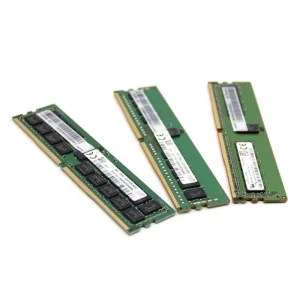
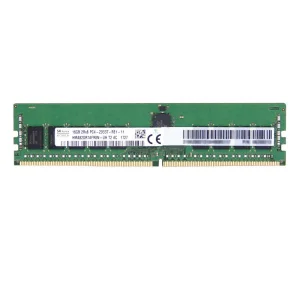
The computing landscape is undergoing a monumental paradigm shift. The rise of multi-core processors (such as the latest AMD EPYC™ and Intel Xeon® Scalable families) alongside massive Large Language Model (LLM) deployments has created severe memory bandwidth bottlenecks. To combat this, next-generation data center memory architectures are focusing on three main technological pillars:
As leading Server RAM suppliers and exporters, Nexora Intelligent Technology Co., Ltd. ensures that our memory systems are fully optimized to support these micro-architectural advancements, maintaining complete compatibility with legacy architectures and forward-looking compute topologies.

Enterprise data center procurement goes beyond raw speeds. Reliable, fault-tolerant infrastructure depends on precise engineering specifications.
On-die and Sideband ECC are non-negotiable for enterprise databases. Correcting single-bit errors in real-time avoids silent data corruption (SDC) and system crashes.
Deploying energy-efficient 1.2V DDR4 or 1.1V DDR5 RDIMMs reduces data center cooling costs and total power consumption, significantly lowering operational expenditures (OPEX).
High-density ranks (Dual Rank/Quad Rank) generate localized heat. Quality memory heat spreaders ensure uniform thermal distribution, preventing throttle under sustained stress.
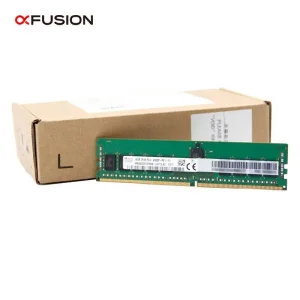
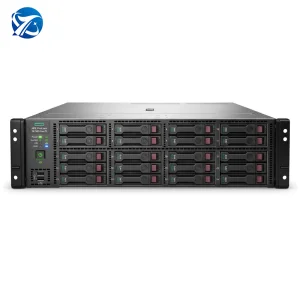
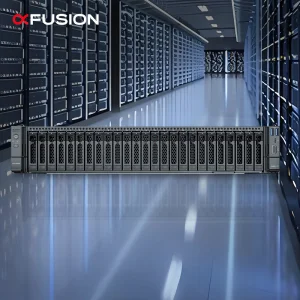
Enterprise buyers require guaranteed compatibility across varied server ecosystems, including HPE ProLiant Gen11, Dell PowerEdge, and xFusion FusionServer lines.
Founded in 2017, Nexora Intelligent Technology Co., Ltd. (Brand: NexoraGPU) stands at the forefront of high-performance computing hardware, storage systems, and specialized datacenter components. By bridging the gap between cutting-edge technology and global supply chain networks, we deliver advanced computing solutions to research institutes, cloud service providers, and AI startups worldwide.
Operating as an OEM & ODM manufacturer with direct export capabilities, we navigate global logistics seamlessly. Our operations are backed by a robust supply chain network consisting of more than 1,250 qualified partners. This ecosystem guarantees stable, long-term procurement of raw silicon wafers, logic chips, PCBs, and PMICs, maintaining an uninterrupted production line even during global component shortages.
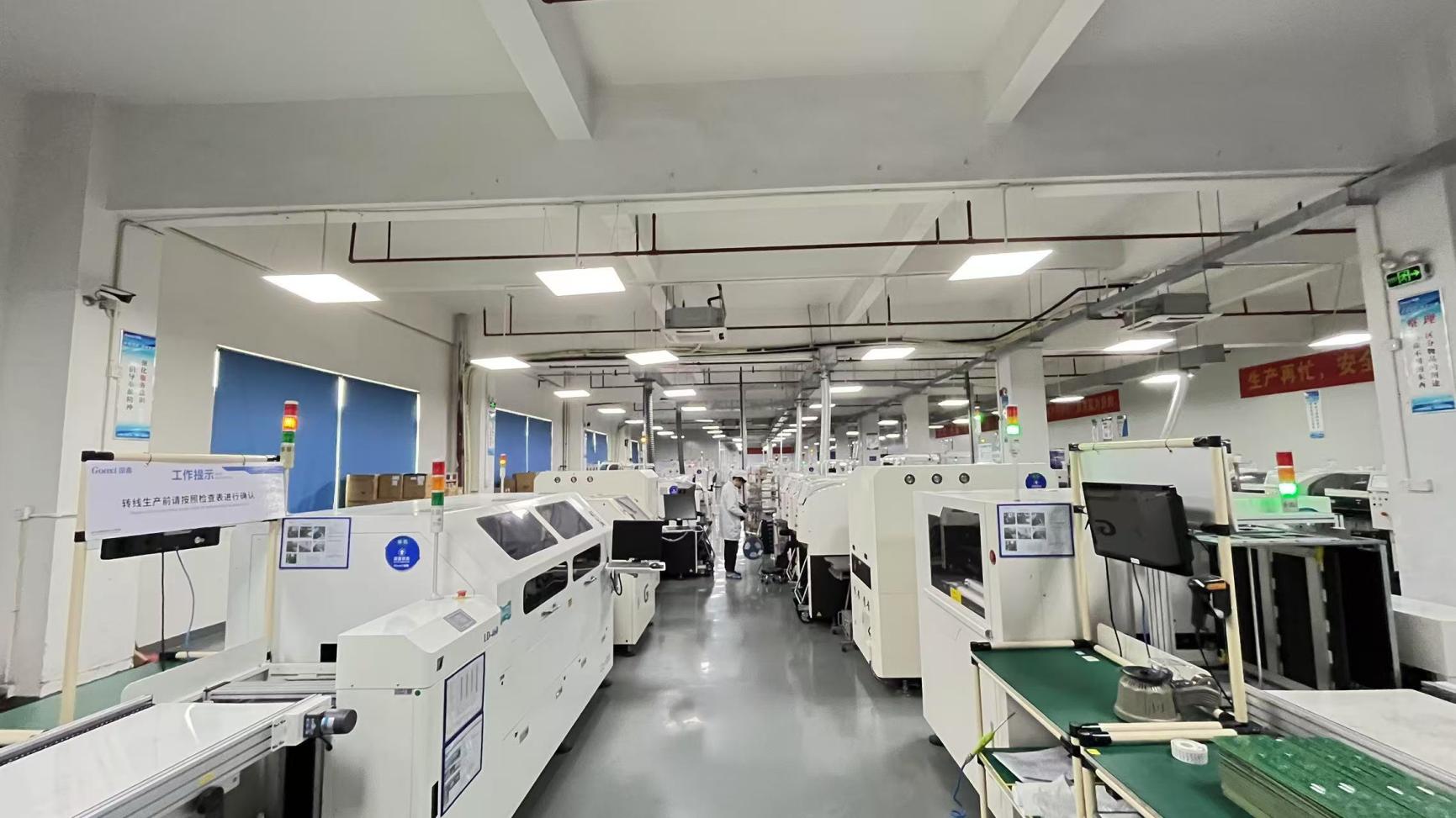
Quality control is key to our business. Our dedicated 386㎡ testing and integration facility handles system configuration, firmware flashing, and validation. Supported by 42 professional quality control personnel, every single module undergoes a rigorous validation process—including high-stress burn-in testing, thermal performance analysis, and complete platform compatibility validation prior to global packaging and shipping.
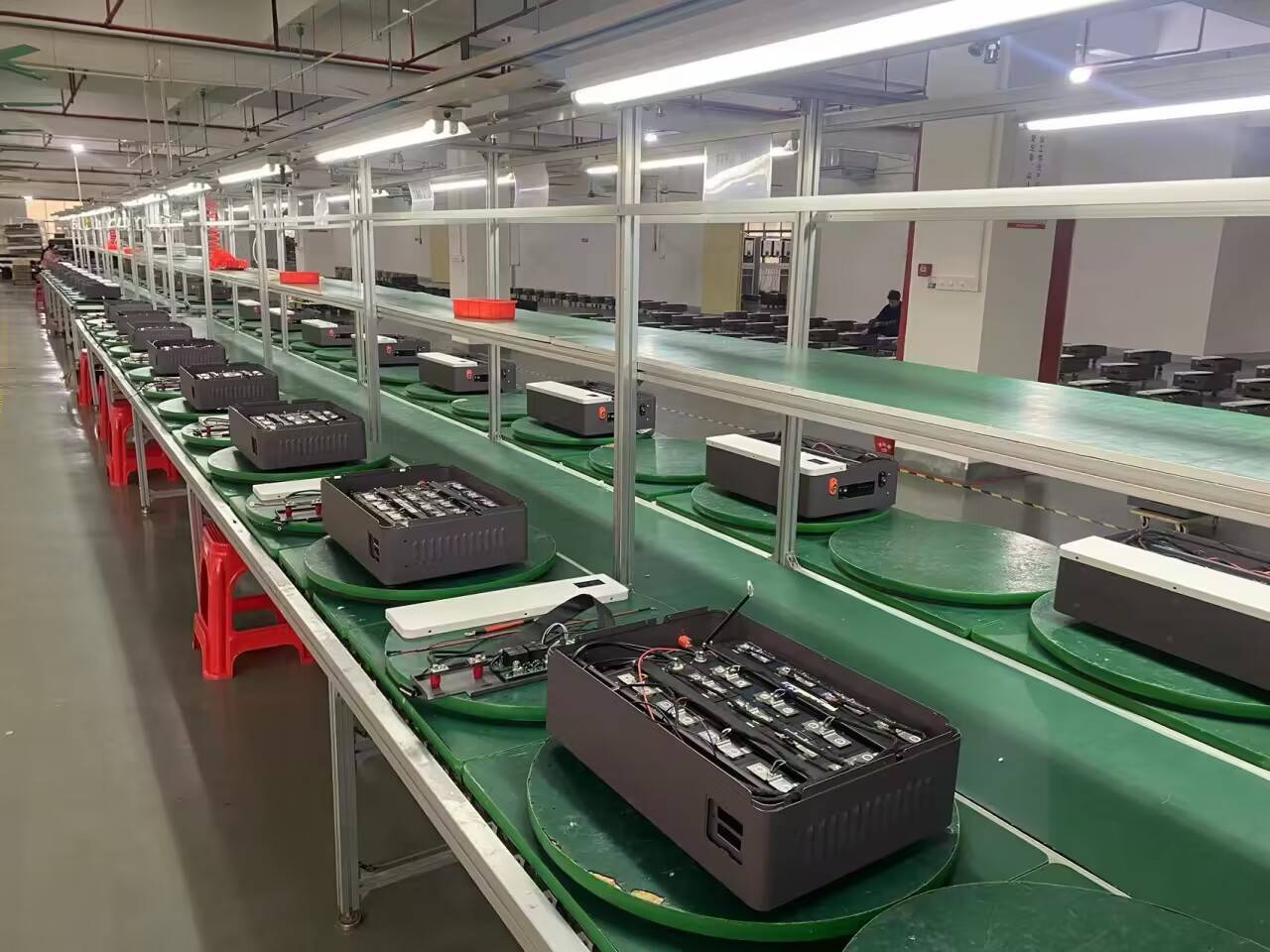
Memory configurations directly determine system performance in modern enterprise computing. Explore typical implementation patterns.
Modern Large Language Model (LLM) infrastructures require vast memory pools to load model weights. High-capacity RDIMMs feed multi-GPU clusters, preventing memory thrashing and bottlenecks during complex training runs.
Cloud systems rely on high VM density. Maxing out capacity with multi-rank RDIMMs ensures seamless resource allocation per virtual machine (VM) without introducing processing latency or virtual disk swapping.
HFT and financial analytics require ultra-low memory access latency. Outfitting systems with high-frequency (3200MHz+ DDR4 or 5600MHz+ DDR5) single-rank or dual-rank configurations minimizes timing delay loops.
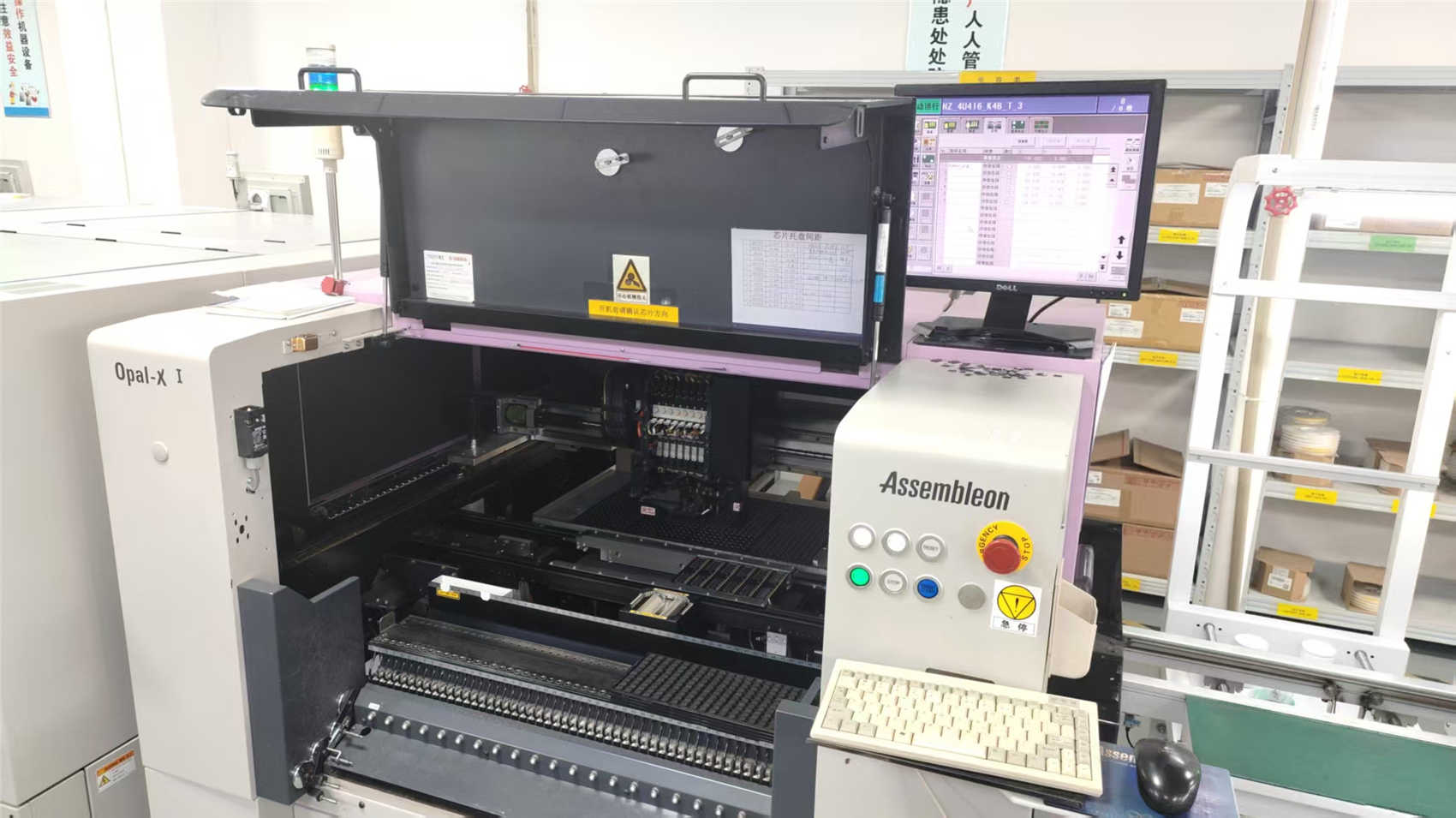
China's manufacturing sector has evolved from simple assembly to high-precision, smart manufacturing. Modern automated manufacturing facilities utilize advanced Surface Mount Technology (SMT) and AI-driven automated optical inspection (AOI) systems. This ensures precision chip placement, clean solder joints, and reliable trace connections on high-density PCBs.
By consolidating raw materials procurement, component validation, PCB fabrication, and high-frequency testing within unified industrial hubs, Nexora provides substantial advantages in terms of cost efficiency, quality control, and rapid scaling:
Get answers to common technical and commercial questions regarding server RAM design, compatibility, and global procurement.
RDIMM (Registered DIMM) buffers the address and command lines, reducing register load on the memory controller. LRDIMM (Load Reduced DIMM) buffers both command/address lines and data lines. LRDIMM reduces electrical loads, allowing data centers to populate more memory modules per channel to maximize capacity, albeit with slightly higher latency.
Cosmic rays, magnetic interference, and electrical fluctuations can flip bits in RAM (single-bit errors). Non-ECC RAM will crash or corrupt database tables. ECC memory dynamically detects and corrects single-bit errors using Hamming codes, ensuring 24/7 server uptime and data protection.
DDR5 reduces operating voltage from 1.2V to 1.1V. It also shifts power management from the motherboard to the DIMM itself via an onboard PMIC. This architecture delivers cleaner power delivery, decreases thermal generation, and reduces motherboard power routing complexity.
At Nexora, our testing process includes: 100% functional validation, component verification (DRAM binning), high-temperature aging/burn-in testing, signal integrity validation, and real-world system compatibility testing across targeted server configurations (xFusion, Dell, HPE).
Explore our advanced servers and high-density memory modules optimized for enterprise clouds, networks, and data center infrastructures.
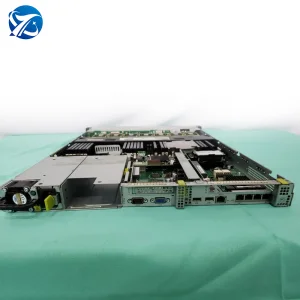
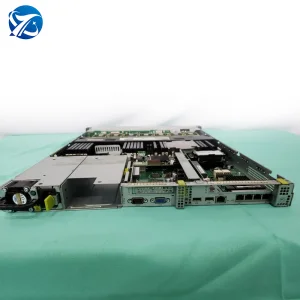
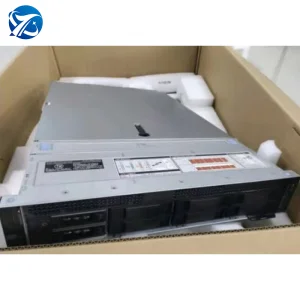
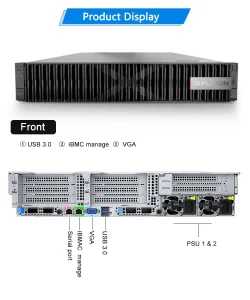
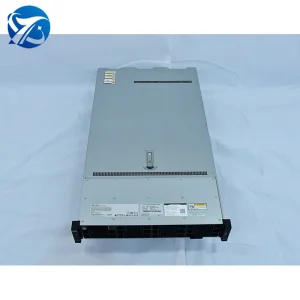
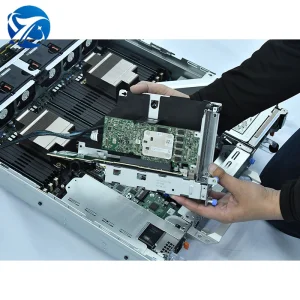
A visual insight into our specialized integration lab, automated assembly lines, and testing environment.