NexoraGPU
NexoraGPU
NexoraGPU
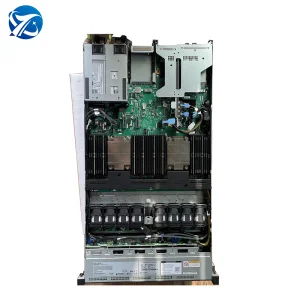
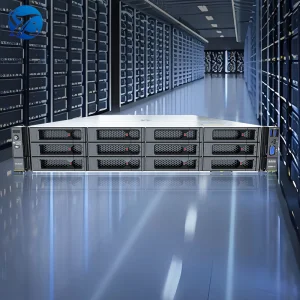
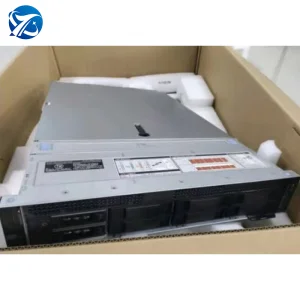
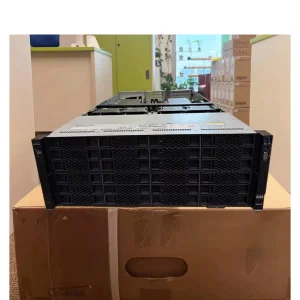
Deploy enterprise-ready server environments with hardware optimized for hypervisor integration, VMware, KVM, and containerized virtualization environments.
Understanding the technical necessity of CE-marked bare-metal infrastructure in contemporary cloud deployment strategies.
Virtualization technology has progressed from simple logical partitioning to complex hyperconverged platforms (HCI) and hardware-assisted hypervisors. Globally, data centers demand servers configured specifically to run Bare-Metal Hypervisors (Type 1) such as VMware ESXi, Microsoft Hyper-V, and KVM. This architectural baseline demands uncompromising stability, ultra-low input/output latency, and deep hardware-level compatibility to allocate virtual cores (vCPUs) and RAM segments accurately without resource contention.
For global enterprises, CE Certification is not just a regulatory label but a baseline assurance of electrical safety (LVD 2014/35/EU), Electromagnetic Compatibility (EMC Directive 2014/30/EU), and eco-design efficiency. When bare-metal virtualization platforms host hundreds of mission-critical containers or virtual machines, electrical fluctuations or EMI interference can cause hypervisor crashes, leading to widespread downtime. CE-certified servers ensure rigorous power insulation, low thermal dissipation hazards, and clean electromagnetic shielding.
Today's procurement strategies center on minimizing Total Cost of Ownership (TCO) while preventing vendor lock-in. System integrators need reliable OEM/ODM partners capable of delivering customized BIOS configurations, virtualization-ready SR-IOV features, and tailored BMC controls that integrate smoothly into open-source orchestration fabrics.
Operating at the intersection of extreme computational power and strict quality standards, Nexora Intelligent Technology Co., Ltd. supplies high-grade server architecture optimized for enterprise virtualization platforms.
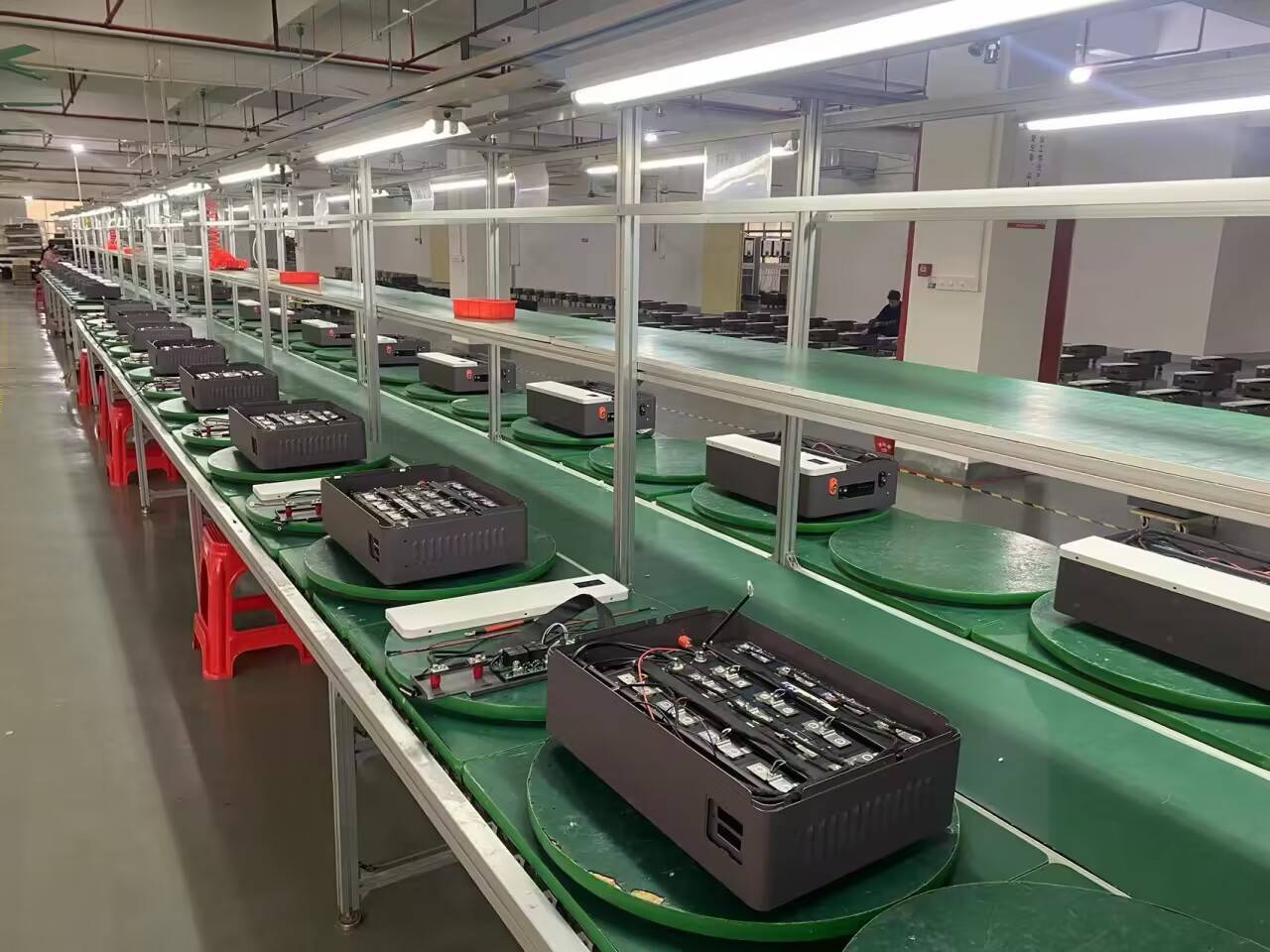
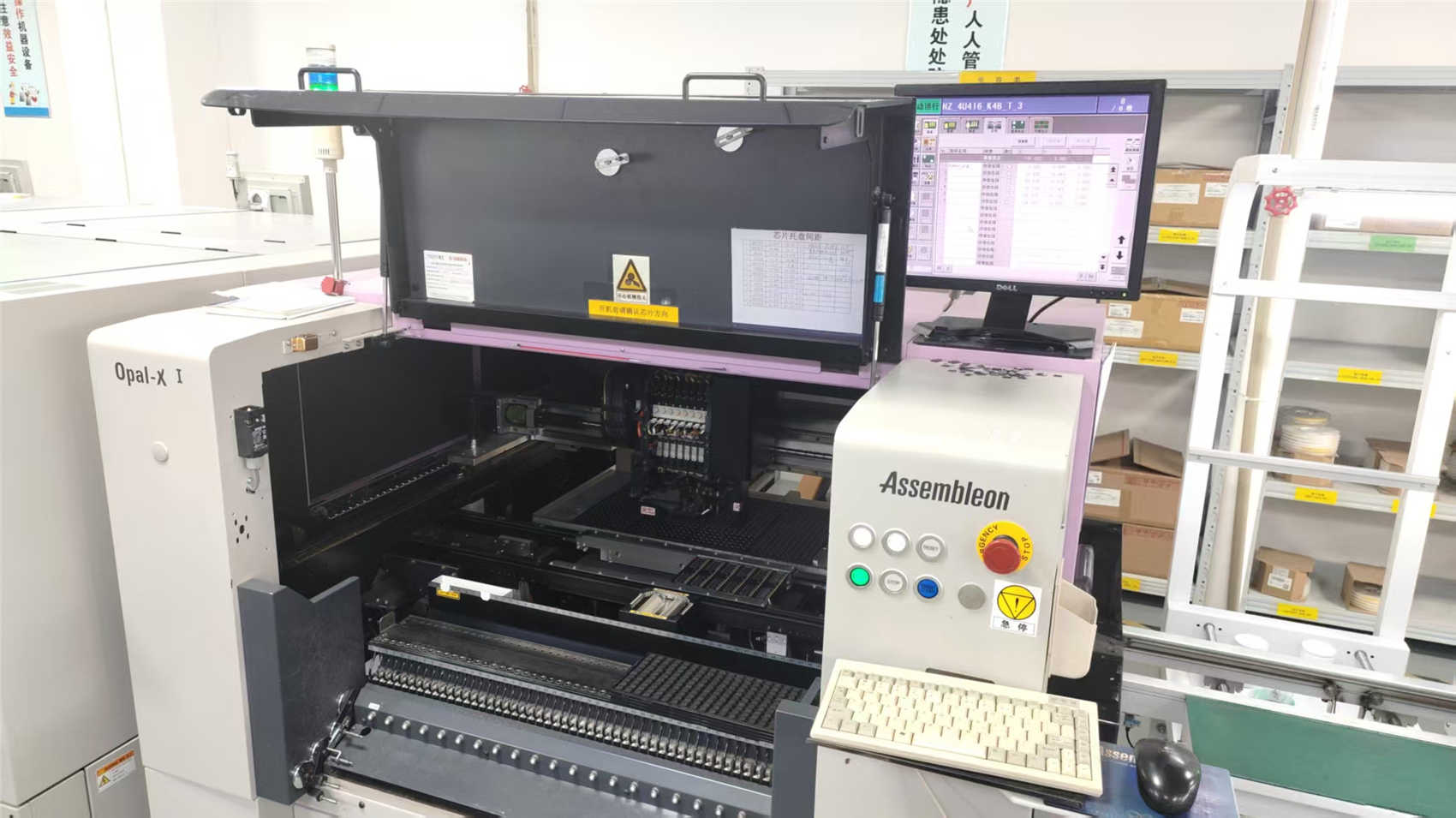
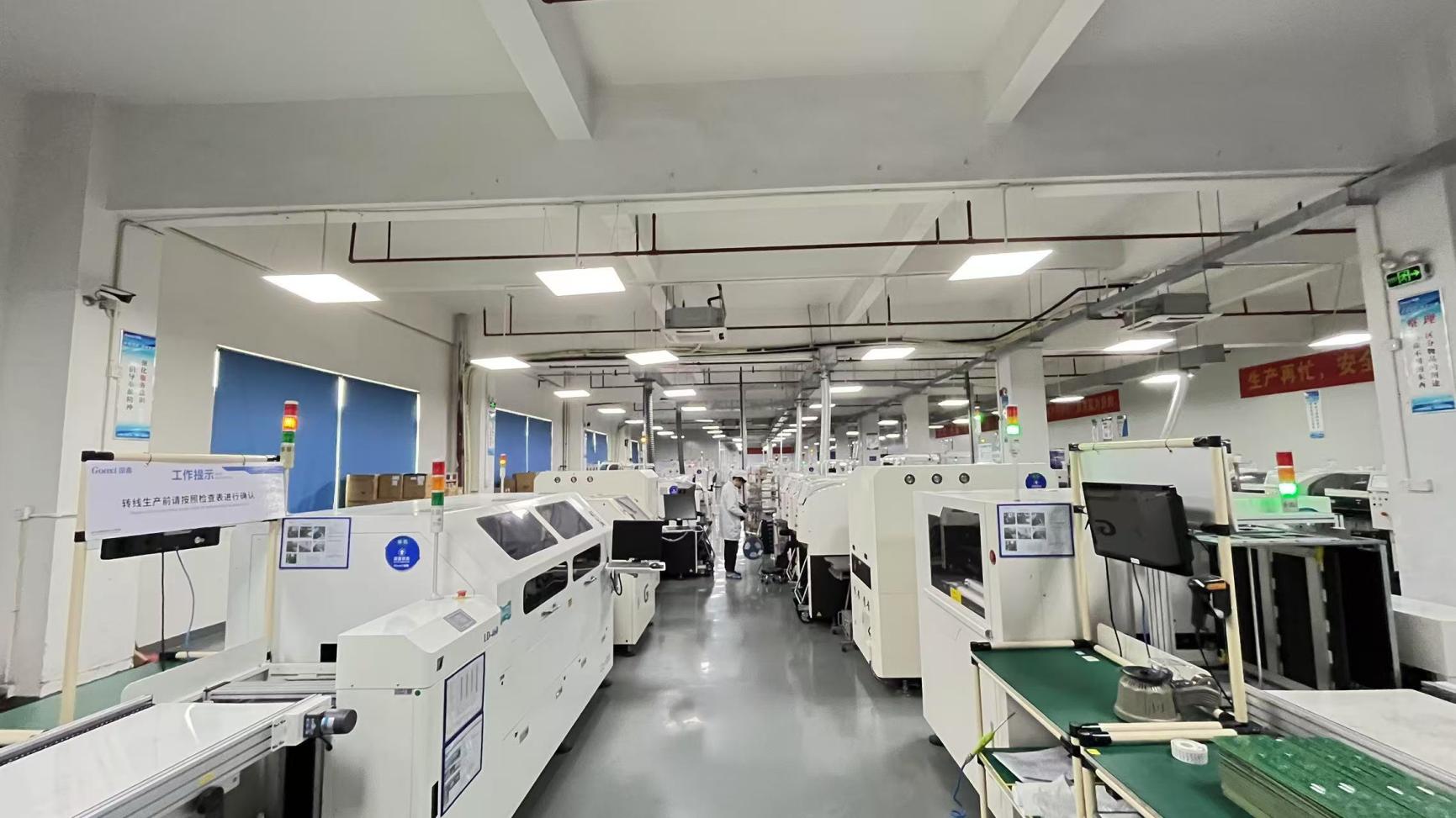
We run a comprehensive QA system supported by 42 professional quality control personnel. Systems undergo thermal mapping, dynamic RAM stress analysis, PCIe Gen5 signal integrity testing, and sustained burn-in tests to guarantee 99.999% uptime in multi-tenant virtualization clusters.
Driven by our in-house engineering team, NexoraGPU successfully commercialized 86 new server architectures and storage modules last year alone, focusing on GPU virtualization, edge telemetry, and deep-chassis liquid cooling solutions.
Supported by our flexible OEM & ODM pipelines, NexoraGPU delivers custom cloud infrastructure directly to customers throughout North America, Europe, Southeast Asia, the Middle East, and South America.
China’s server hardware manufacturing sector benefits from an integrated component ecosystem. Situated in global hardware innovation hubs, our operations leverage direct access to raw materials, PCB prototyping, custom chassis stamping, and advanced silicon integration. This geographical cluster turns logistics into an immediate performance driver:

How high-density virtualized infrastructure adapts to unique industrial verticals and future technological paradigms.
In automated industrial settings, standard servers fail due to vibrations, high dust, and erratic power cycles. Utilizing short-depth rack enclosures with customized heat-sink architectures, our virtualization servers operate at the factory edge. By virtualization of legacy programmable logic controllers (PLCs) into centralized software instances, industrial facilities improve reliability and streamline software deployments.
Modern AI workflows require flexible hardware provisioning. Standard VM architecture often underutilizes GPU hardware. By deploying multi-socket systems configured for GPU-passthrough and vGPU technologies, research centers can dynamically partition powerful GPUs. This allows developers to run sandbox testing, deep learning model training, and heavy-duty CAD VDI sessions on a shared hardware platform.
Highly regulated sectors rely on secure multitenancy to protect data. Standard open-source hypervisors need hardware-level security support. Our servers implement advanced virtualization technologies (Intel VT-x, AMD-V) combined with TPM 2.0 modules and secure boot configurations, creating encrypted execution environments that prevent unauthorized cross-VM data leaks.
As cloud architectures transition from VM-centric designs to container-native environments, hardware interfaces must adapt. Modern infrastructures leverage tools like KubeVirt to run virtual machines alongside Docker and Kubernetes containers on a single control plane. Consequently, hardware must support high network bandwidth interfaces (100Gbps+) and ultra-low latency NVMe arrays. System integrators should target hardware platforms that optimize PCIe lane allocations to prevent data bottlenecks between CPU caches and fast storage arrays.
Detailed technical answers resolving the key compliance, engineering, and configuration challenges faced by infrastructure architects.
Select from our specialized server, storage, and computing systems to expand your enterprise hybrid-cloud capabilities.
Empowering digital transformation globally under the flagship brand NexoraGPU.
Founded in 2017, Nexora Intelligent Technology Co., Ltd. (under the brand NexoraGPU) is a specialized manufacturer of high-performance GPU servers, AI computing systems, HPC clusters, storage servers, and customized data center infrastructure solutions. With a modern production facility covering 386㎡, we design and deploy scalable computing platforms for enterprises, AI startups, research institutes, universities, cloud service providers, and data centers worldwide.
Leveraging 9 years of industry experience and 6 years of export experience, NexoraGPU has established a strong presence in the global AI computing market. Our annual export revenue exceeds US$18 million, serving customers across North America, Europe, Southeast Asia, the Middle East, and South America.
As an OEM & ODM manufacturer with direct export capabilities, our supply network spans over 1,250 partners. Innovation remains at the core of our business: our R&D department features 128 experienced engineers specializing in server architecture, thermal design, AI infrastructure deployment, and hardware optimization.