NexoraGPU
NexoraGPU
NexoraGPU
The landscape of enterprise data is undergoing a tectonic shift. In the era of autonomous vehicles, smart factories (Factory 4.0), and massive IoT networks, reliance on centralized cloud servers introduces high latency, security vulnerabilities, and bandwidth limitations. By executing computations local to the source of data, Edge AI & Computing architectures bypass transmission bottlenecks, providing real-time local processing capability.
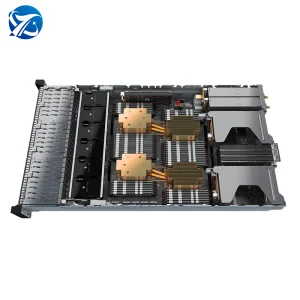
As global edge infrastructure moves toward advanced intelligence, hardware needs to be optimized for harsh physical conditions, compact dimensions, and localized AI acceleration. Our designs are engineered specifically for high thermal resilience, structural stability, and maximum computing density, ensuring low-latency inference in complex real-world environments.
Critical for safety-focused industrial control and automated systems.
By preprocessing telemetry locally and transmitting only key anomalies.
Analyzing specific criteria defined by international procurement departments, hardware engineers, and enterprise CTOs when procuring edge hardware platforms.
Typical enterprise cloud environments feature climate-controlled rooms. In contrast, edge deployments demand vibration protection (MIL-STD-810G compliance), dust mitigation, and operating tolerances from -40°C to +75°C.
Unlike standard business environments refreshed every 3 years, critical industrial platforms demand operational continuity. We guarantee hardware component lifecycles spanning 7 to 10 years.
With edge machines deployed in dynamic locations, remote control via IPMI 2.0 and Redfish APIs is essential. This allows administrators to adjust configurations and deploy system patches off-site.
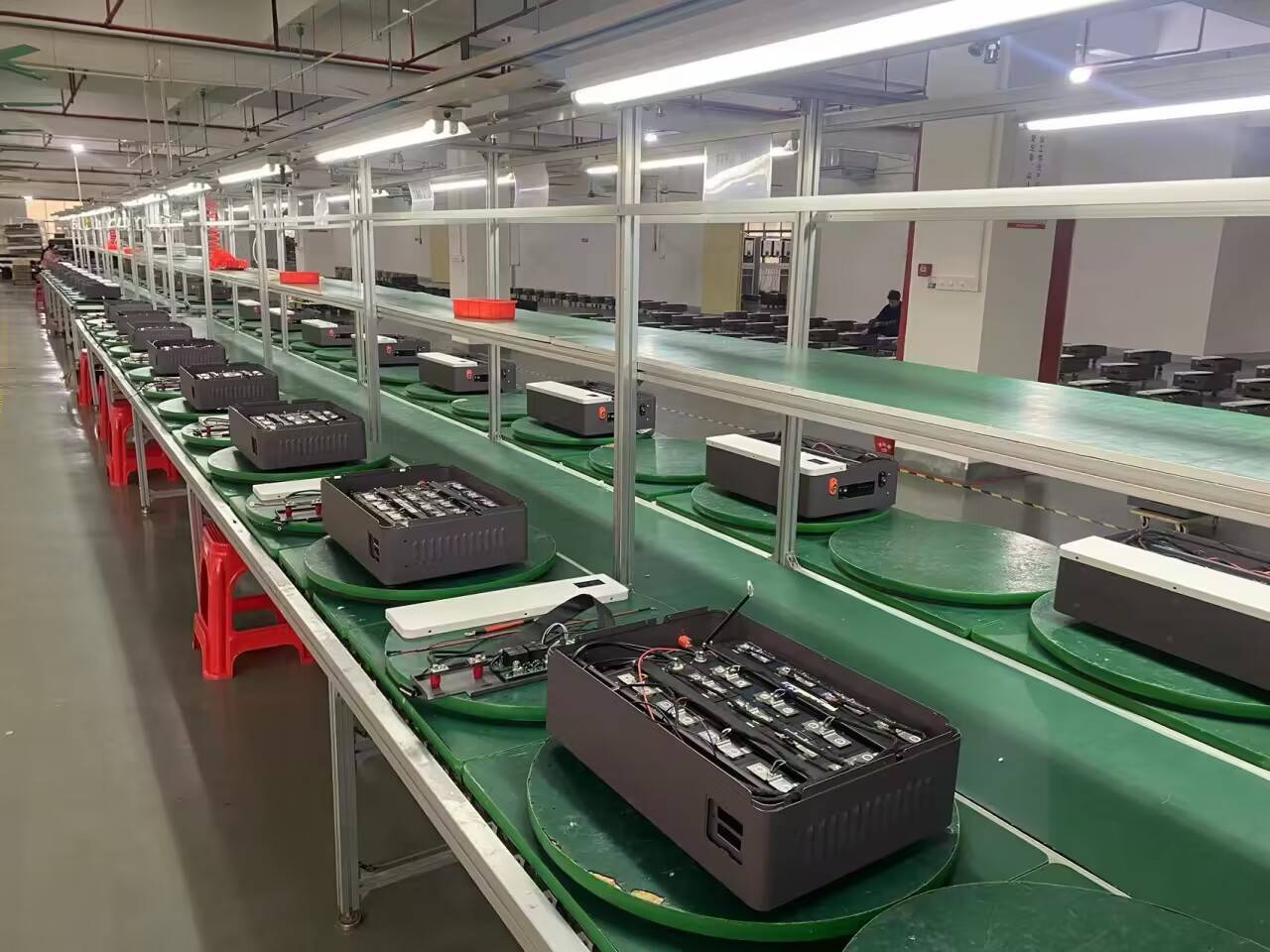
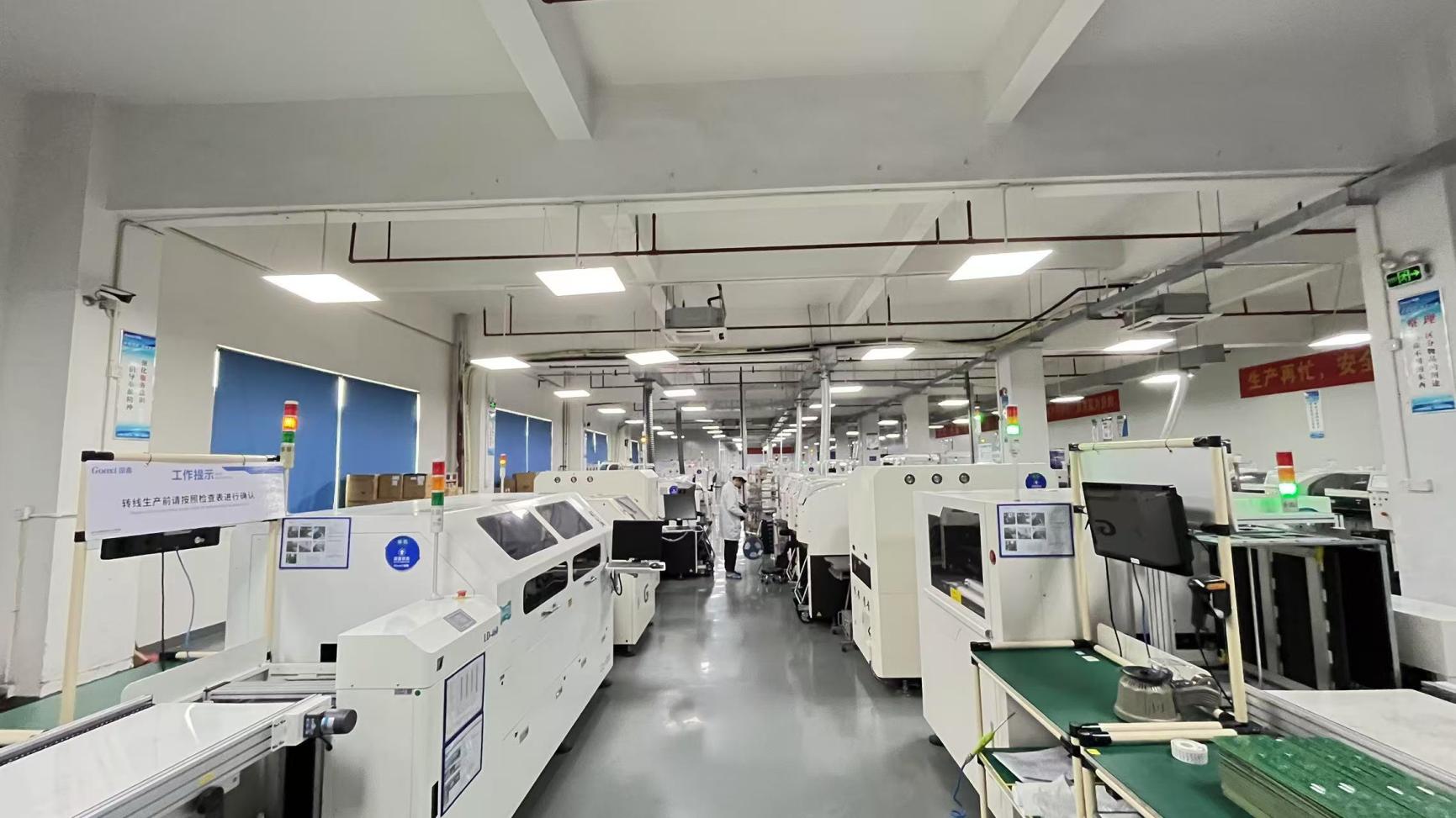
Nexora Intelligent Technology Co., Ltd. (NexoraGPU) is built at the intersection of high-capacity output and design precision. Established in 2017, we operate a specialized production footprint with a dedicated 386㎡ facility, delivering optimized, low-latency computing hardware globally.
Leveraging 9 years of industry experience and 6 years of global export logistics, we navigate international trade regulations and custom parameters seamlessly. Driven by an active network of over 1,250 certified supply partners, we eliminate supply constraints, keeping client deployments on track.
To ensure zero defect runs, our 42 QC specialists enforce a comprehensive verification strategy. Each assembly must pass physical component mapping, long-term burn-in under heavy load, structural thermal scans, and operational integrity validation before shipping.
Our engineering team of 128 specialists customizes chassis layout, power distribution units, thermal systems, and specific firmware architectures.
With 86 new products launched in the past year, we adapt to changing market requirements, integrating AI, storage, and networking layers into scalable industrial enclosures.
Deploying high-performance computation at the physical location where data is generated.
Analyzing video feeds locally at intersections reduces municipal network bandwidth load, supporting traffic optimizations and safety systems.
Executing predictive maintenance models directly on the manufacturing floor prevents equipment failures without relying on remote network links.
Managing power distribution and anomalies locally at substations balances smart grids, preventing outages and grid overloads.
Processing point-of-sale video feeds on-site supports customer analytics and inventory tracking while preserving consumer privacy regulations.

Brand Identity: NexoraGPU
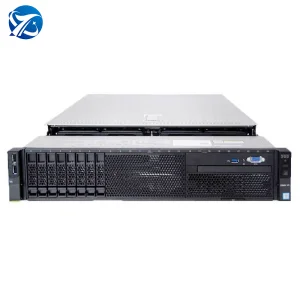
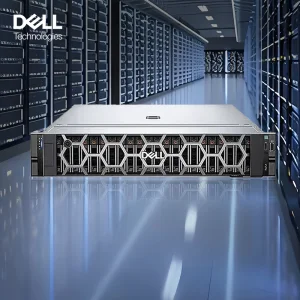
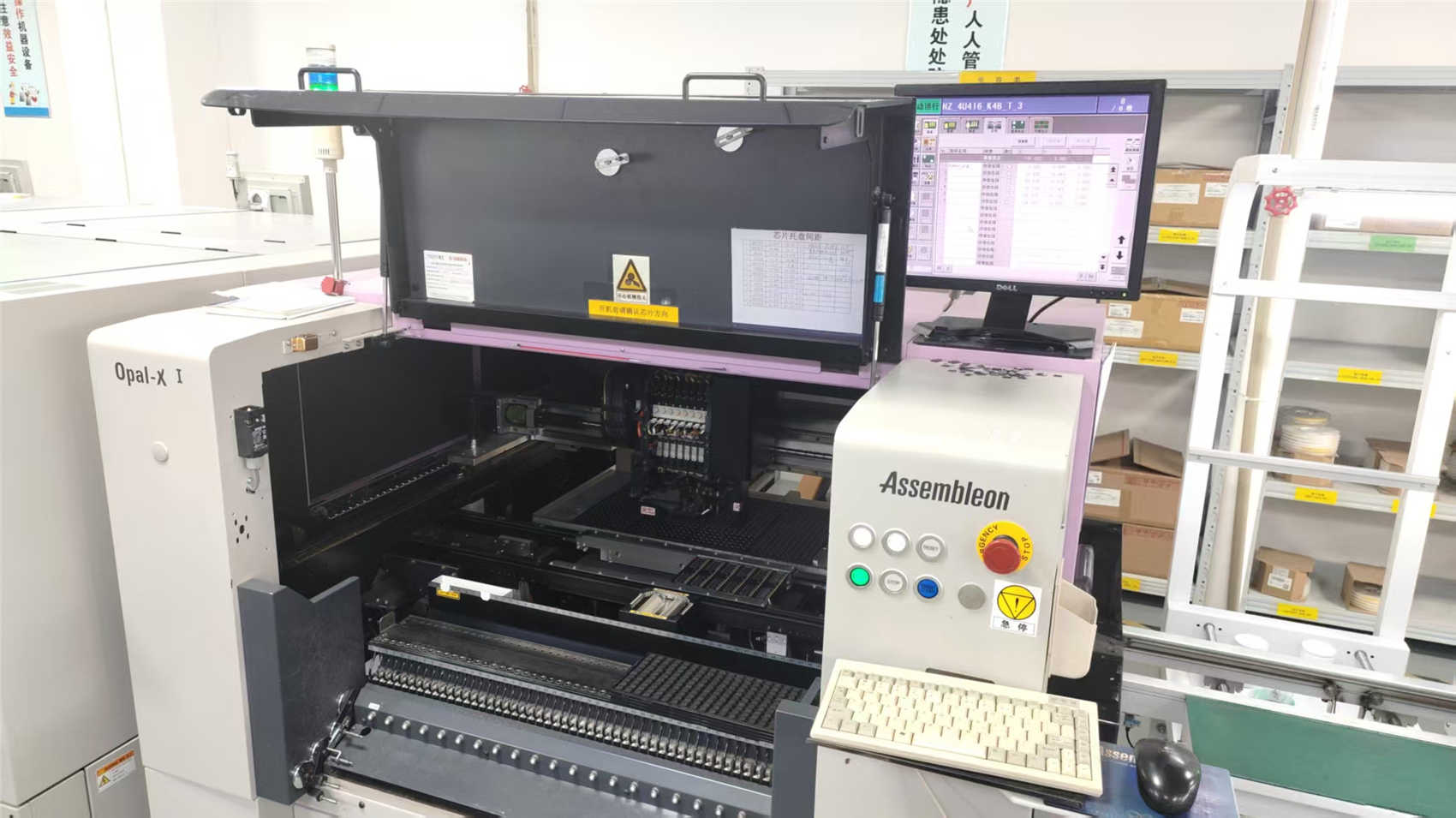
Operating from our integrated facility, we build specialized hardware systems including GPU arrays, industrial servers, storage networks, and custom racks. We serve research facilities, enterprise operations, and cloud datacenters globally.
Our design process centers on custom solutions. Working closely with client engineering teams, we develop platforms configured to unique operational conditions, thermal requirements, and networking protocols.
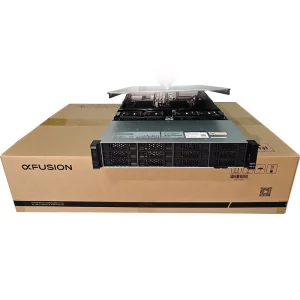
Our direct export operations ensure streamlined global transport. We manage certification processes, secure packaging, and customs clearance, delivering units ready for rapid datacenter deployment.
Detailed answers addressing core configuration, customization, logistics, and quality assurance processes at NexoraGPU.
Our QC team of 42 specialists conducts a multi-phase verification process for every system. This starts with validation of incoming components, followed by configuration mapping. Assembled systems undergo 24 to 72 hours of continuous high-load burn-in, during which we monitor thermal patterns, power draw stability, and PCIe signal integrity. Additionally, we run compatibility tests across multiple operating systems and virtualization platforms to guarantee out-of-the-box reliability.
Led by our team of 128 R&D engineers, we offer deep hardware adaptation. This includes modifying physical chassis dimensions for shallow rack mounts, customizing thermal dynamics (passive heat sinks, high-CFM fans, or integrated liquid loops), configuring specialized input voltage ranges (such as -48V DC for telecommunications), and adding custom branding, BIOS configurations, and security modules.
We maintain active partnerships with over 1,250 suppliers across crucial technology hubs. This network allows us to source high-grade capacitors, PCB substrates, silicon processors, and RAM components reliably. We maintain safety stock buffers for long-lead components to insulate customer builds from semiconductor market volatility.
Yes, our GPU and AI server architectures are designed for dense local processing. We match Intel Xeon and AMD EPYC host processors with high-bandwidth PCIe Gen 5 lanes, fast DDR5/DDR4 ECC memory, and high-performance NVMe storage pools. This ensures maximum data throughput for localized deep learning, neural network processing, and real-time inference tasks at the edge.
Standard configurations in stock ship within 7 to 10 business days. Custom OEM/ODM runs require an initial engineering assessment, schematic design, and prototype phase, typically spanning 4 to 8 weeks. Once prototypes are validated, production lead times average 3 to 6 weeks, depending on order volume and specific component requirements.
Our systems are built to meet international compliance frameworks, supporting standard certifications including CE, FCC, RoHS, and UL based on project requirements. We work with accredited testing laboratories to certify custom hardware for target regional markets, ensuring compliance with local grid safety, electromagnetic interference, and environmental standards.