NexoraGPU
NexoraGPU
NexoraGPU
In the digital landscape of 2025, enterprise IT infrastructures are under immense pressure to process complex, multi-modal data arrays. The rapid rise of deep learning models, LLMs, and real-time data analytical warehouses requires memory devices that boast not only high capacity but also low latencies and high thermal tolerance. RAM (Random Access Memory) modules represent the critical conduit that bridges processors with persistent storage. Choosing the right RAM modules from a leading, certified manufacturer is paramount to preventing memory throttling, optimizing channel bandwidth, and ensuring server uptime.
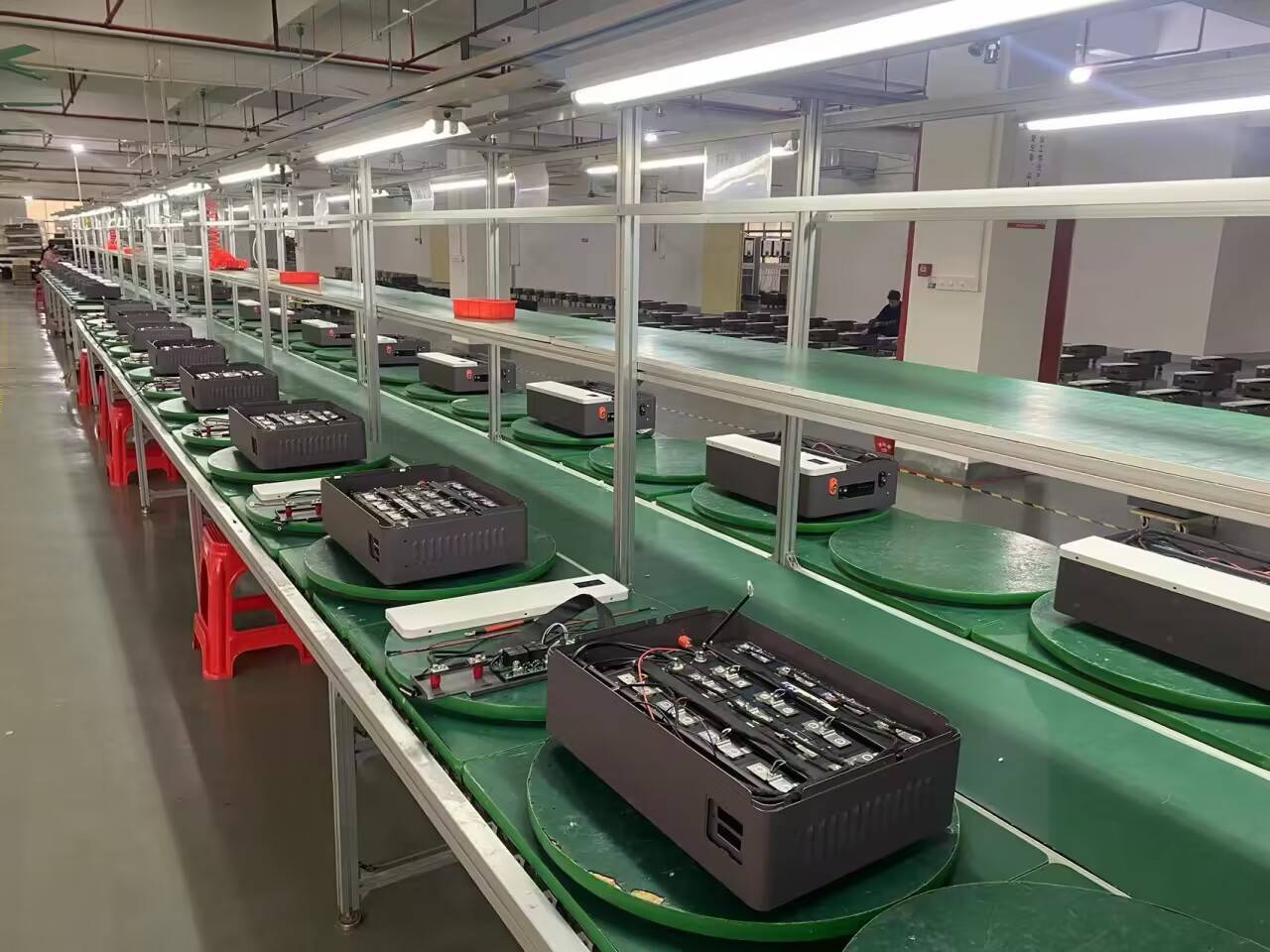
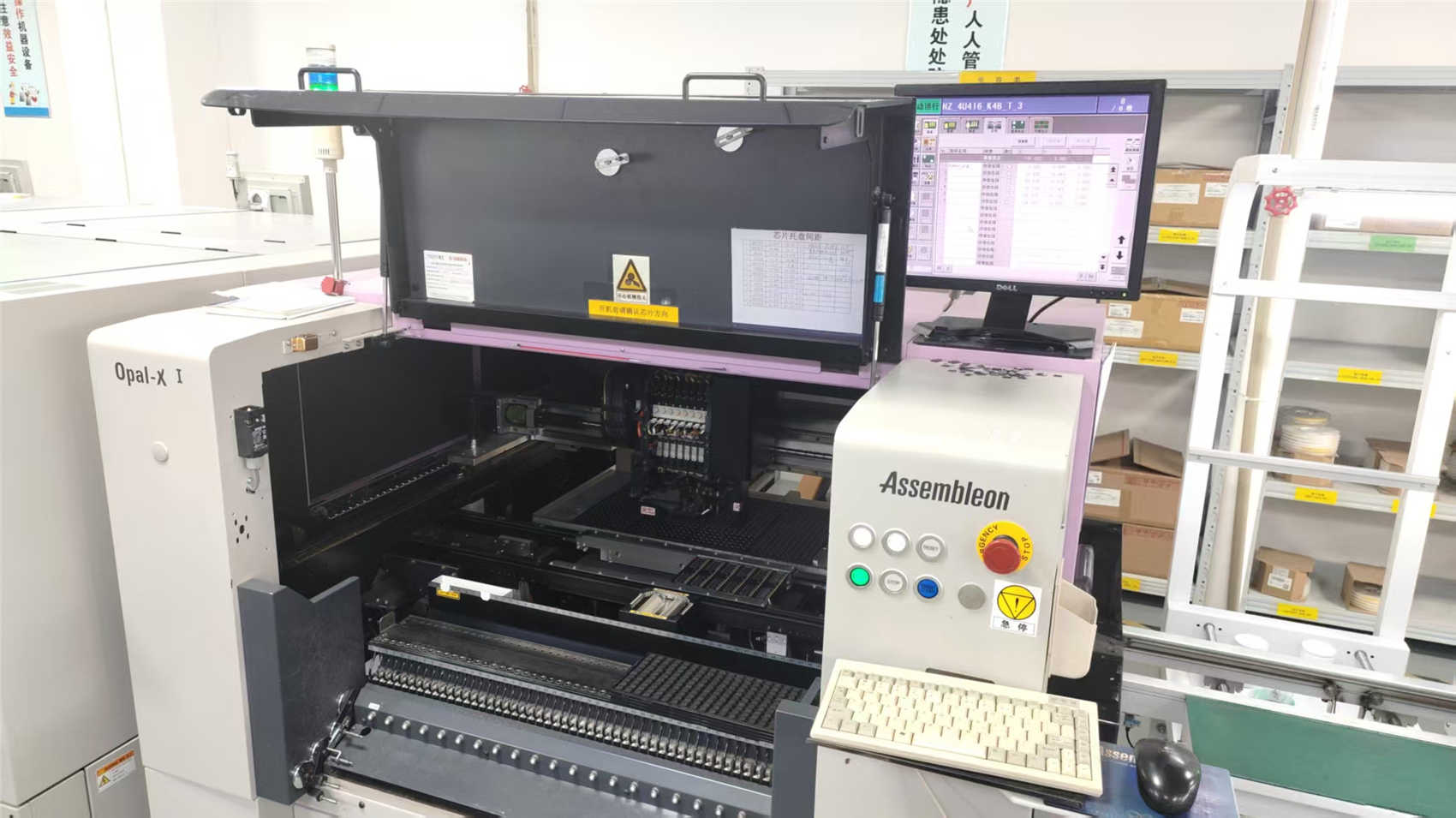
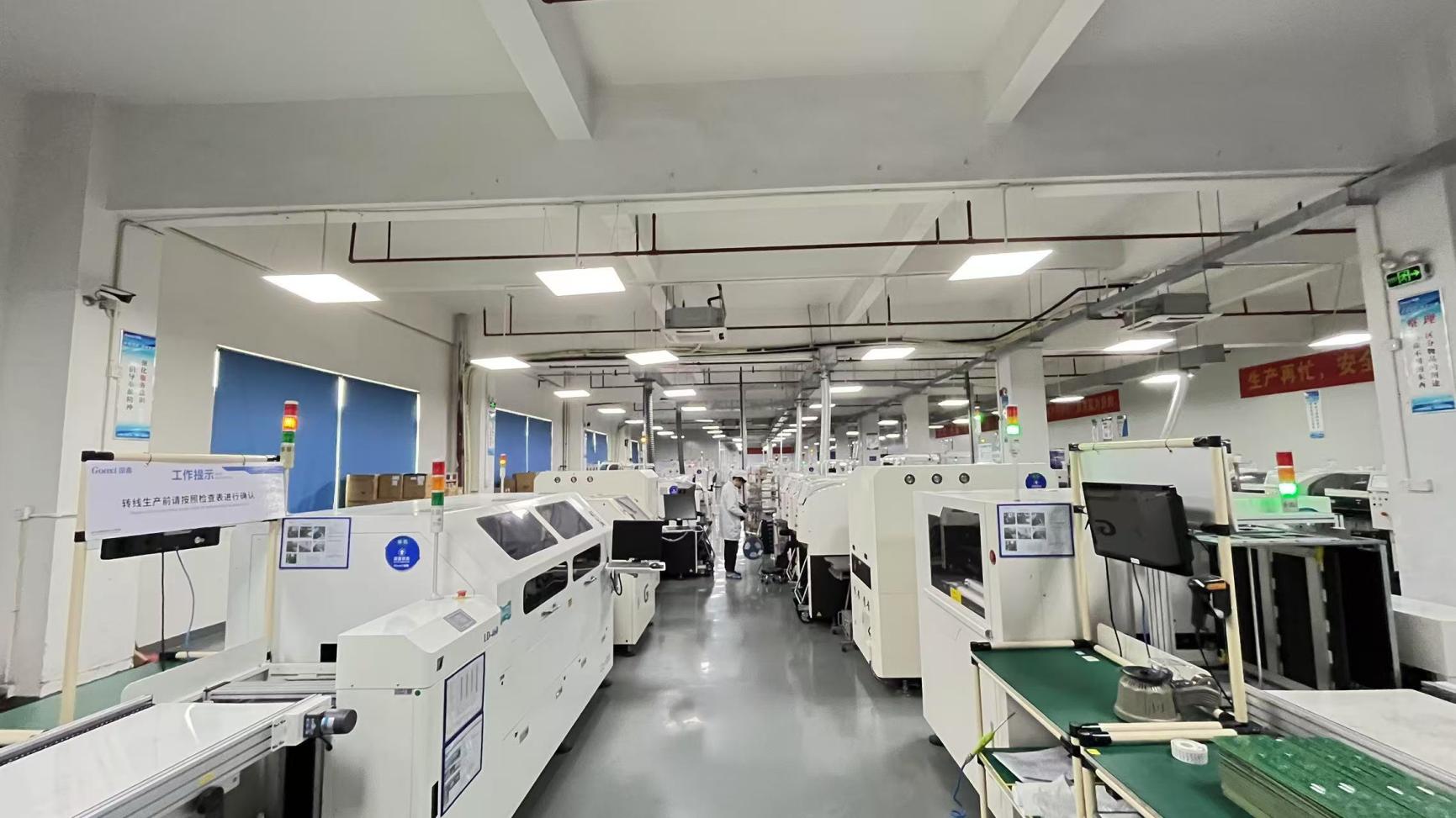
Chinese RAM manufacturing hubs have transitioned from consumer-level assembly to hosting advanced production plants that produce enterprise-grade DDR4 and DDR5 ECC RDIMMs, LPDDR memory solutions, and custom industrial-grade memory modules. These factories are characterized by high-yield SMT (Surface Mount Technology) assembly lines, deep supply-chain integration with leading DRAM silicon foundries, and extensive compliance testing regimens. For global enterprise buyers, purchasing memory directly from optimized Chinese manufacturing setups offers unparalleled cost efficiency, custom SPD configuration capabilities, and predictable OEM/ODM design flexibility.
Operating under the recognized global brand NexoraGPU, Nexora Intelligent Technology Co., Ltd. was established in 2017 to design, manufacture, and distribute high-performance AI computing systems, storage servers, and data center hardware solutions. Our infrastructure features a specialized engineering facility covering 386㎡, configured as a high-precision testing lab and integration center. Here, we design and validate computing systems that empower universities, cloud service providers, and global businesses.
With 9 years of dedicated industry experience and 6 years of direct global exporting, NexoraGPU drives an annual export revenue exceeding US$18 million. We export to North America, Europe, Southeast Asia, South America, and the Middle East. Our product development cycles are rapid and adaptive; last year, our 128-person R&D engineering division introduced 86 new enterprise-grade designs, keeping pace with changes in GPU topologies and CPU socket updates.
To ensure high standards of quality, NexoraGPU maintains a robust quality management framework run by 42 dedicated quality control personnel. Our supply chain features over 1,250 partners, giving us consistent access to top-tier ICs and components even during global chip shortages. This resource base allows us to integrate our memory modules and server nodes with leading industry systems, ensuring compatibility, thermal stability, and long-term durability under demanding server workloads.

When engineering server systems, choosing the correct RAM standard has long-term implications for compute speed, data integrity, and total cost of ownership (TCO). While DDR4 remains a reliable option for legacy applications, DDR5 introduces significant architectural changes optimized for high-bandwidth multi-core processors.
| Feature / Parameter | Enterprise DDR4 ECC RDIMM | Enterprise DDR5 ECC RDIMM | Architectural Benefit |
|---|---|---|---|
| Data Rates | 1600 to 3200 MT/s | 4800 to 8400+ MT/s | Up to 1.6x bandwidth improvement per channel |
| Operating Voltage | 1.2V | 1.1V | Lowers system heat and overall power draws |
| Power Management | On-Motherboard VRM | On-DIMM PMIC (Power Management IC) | Better voltage regulation and reduced motherboard layout complexity |
| ECC Architecture | Sideband Bus ECC (System level) | On-Die ECC + Sideband ECC | Provides correction for single-bit errors inside the DRAM silicon |
| Channel Architecture | Single 64-bit subchannel | Dual 32-bit independent subchannels | Improves memory access efficiency and reduces latency |
| Max Capacity (Single Module) | Up to 128 GB | Up to 512 GB (utilizing 3D TSV stacking) | Allows higher VM densities and accommodates large AI models |
The addition of the Power Management Integrated Circuit (PMIC) on DDR5 modules shifts the responsibility of voltage regulation from the motherboard directly to the DIMM. This configuration reduces voltage drops and ensures clean power delivery to the DRAM chips under peak computational loads, which is vital for system stability in enterprise server platforms.
Our proximity to domestic and international semiconductor foundries ensures a reliable supply of qualified memory dies (DRAM wafers), minimizing lead times during material shortages.
Our automated Surface Mount Technology (SMT) lines mount PMICs, thermal sensors, and high-quality passive components onto multi-layer PCBs with high placement accuracy.
We perform exhaustive testing—including thermal cycling, burn-in validation, and raw bit-error screening—to match the requirements of enterprise-level computing.
In high-density computing environments, memory errors can lead to system crashes or silent data corruption. To prevent this, Nexora employs a dedicated team of 42 Quality Control professionals who manage our QA process. Every memory module and system board goes through a series of testing phases:
By implementing these quality control steps, Nexora keeps its field failure rates low. This focus on reliability helps support data centers, scientific research institutions, and large-scale cloud providers in their daily operations.
Global procurement teams must balance unit costs, import compliance, transit lead times, and hardware reliability. Procuring memory and server hardware directly from our China facilities offers several strategic advantages:
Modern RAM and compute modules serve varied functions across different digital environments. Nexora configurations are customized to support these key applications:
Our memory configurations support high-bandwidth requirements in servers designed for AI training and large-scale model inference, helping to prevent CPU-GPU bottlenecking during data preparation.
We supply memory modules optimized for virtual machine densities, enabling cloud service providers to allocate resources efficiently across multiple tenants while maintaining system stability.
For industrial automation, intelligent transportation systems, and telecommunication centers, our edge-oriented hardware operates reliably under varying thermal conditions.