NexoraGPU
NexoraGPU
NexoraGPU
Premium server infrastructure engineered to deploy low-latency spatial rendering, complex physical simulators, and real-time deep learning pipelines.
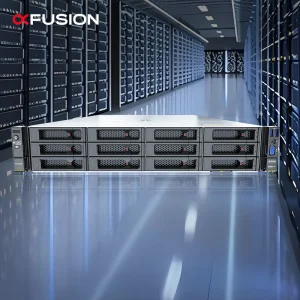
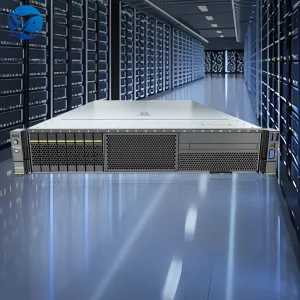
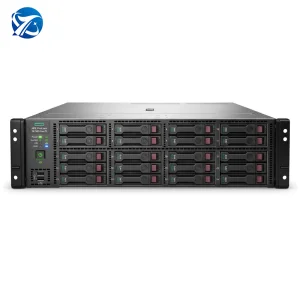
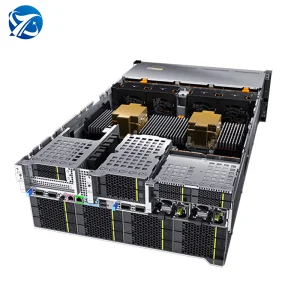
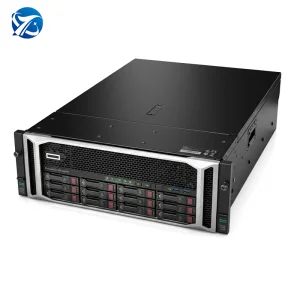
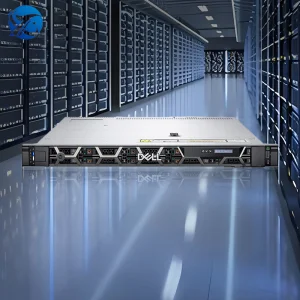
Over the past decade, Virtual Reality (VR) and spatial computing have transitioned from consumer novelty platforms to vital industrial tools. This shift demands a radical restructuring of backend compute infrastructure. High-fidelity immersive environments, multi-user digital twins, and real-time physical simulations require computational clusters capable of pushing millions of polygons at refresh rates above 90Hz while keeping latency under the critical 15ms threshold.
As a leading hardware engineering force in China, Nexora Intelligent Technology Co., Ltd. (NexoraGPU) stands at the intersection of high-performance rendering architectures and physical infrastructure design. We design, manufacture, and optimize GPU-dense computing engines that power cloud rendering farms, simulation hubs, and deep learning engines to drive the next wave of industrial spatial platforms.
Providing the underlying computational layer that makes high-fidelity simulations, neural rendering, and persistent virtual realities possible.
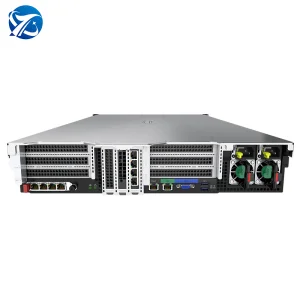
Custom OEM 2U/4U computing modules configured with PCIe Gen5 interfaces, optimized for maximum GPU density to manage massive rasterization workloads, ray tracing, and real-time physical kinematics.
High-throughput infrastructure designs optimized for 5G edge computing deployments, enabling real-time remote pixel stream rendering for untethered VR headsets.
From custom metal chassis fabrication to optimized memory timings, custom GPU cooling solutions, and proprietary BIOS integration suited for demanding simulators.
The architecture of simulation is transitioning from local, single-user systems to distributed, cloud-rendered immersive environments.
For years, commercial VR installations were limited by the length of display cables and localized physical hardware footprints. In modern setups—ranging from military flight simulators to digital twins of whole manufacturing facilities—users require wire-free movement. This shift makes wireless, distributed cloud rendering the modern standard.
Under this approach, tracking data is sent back to a local server cluster which renders the scene dynamically and streams the compressed video back in milliseconds. The demands this places on server motherboards, PCIe stability, and multi-GPU synchronization are immense. This is where NexoraGPU's server engineering provides a robust foundation, building systems that integrate raw computational throughput with network performance.
The integration of Generative AI and deep learning has revolutionized virtual world creation. Instead of relying exclusively on manual 3D modeling, developers now use generative models to build virtual environments in real-time. This technique relies on massive databases and AI models training and inferencing concurrently.
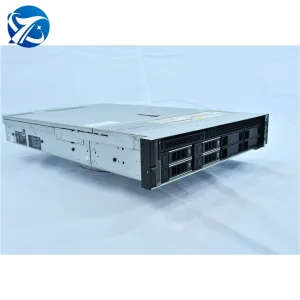
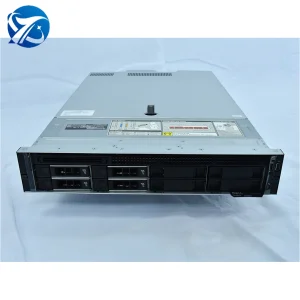
Servers like the xFusion 2488H V7 and FusionServer 5288 V6, equipped with high-performance GPUs, act as the underlying platforms for these generative algorithms, enabling the creation of scalable, persistent virtual training environments.
How the underlying computing hardware is evolving to support higher-fidelity spatial applications.
Single workstation bound to a single headset via HDMI/DisplayPort. Relying heavily on discrete desktop GPUs, making multi-user simulation setups costly and hard to scale.
High-density GPU rackmount servers (like Dell R760XS & xFusion V6/V7 series) running specialized hypervisors. These servers segment GPU power to run multiple independent VR sessions from a single chassis, connected via high-speed local networks.
Real-time environments rendered using AI-driven interpolation, neural radiance fields (NeRFs), and server-side spatial computing algorithms. Compute platforms must run massive AI inferences per frame, requiring tight integration between server RAM (like DDR4/DDR5 RDIMM) and GPU processing pipelines.
Real-world integration scenarios where our server infrastructure forms the backbone of spatial technology.
High-capacity storage servers (such as the Xeon NAS and 1U/2U Custom Storage Servers) process spatial mapping data. These systems combine high-capacity arrays with GPU compute to render real-time changes across cities, enabling traffic simulation and natural disaster modeling.
Surgical training simulators require high visual accuracy and real-time physical simulation. Using custom rackmount compute nodes paired with high-performance RAM, NexoraGPU ensures smooth real-time physical modeling without frame drops.
Mission-critical simulator cabins require localized multi-GPU setups. Nexora's cooling solutions and power management systems ensure stable server operation under continuous full-load environments.
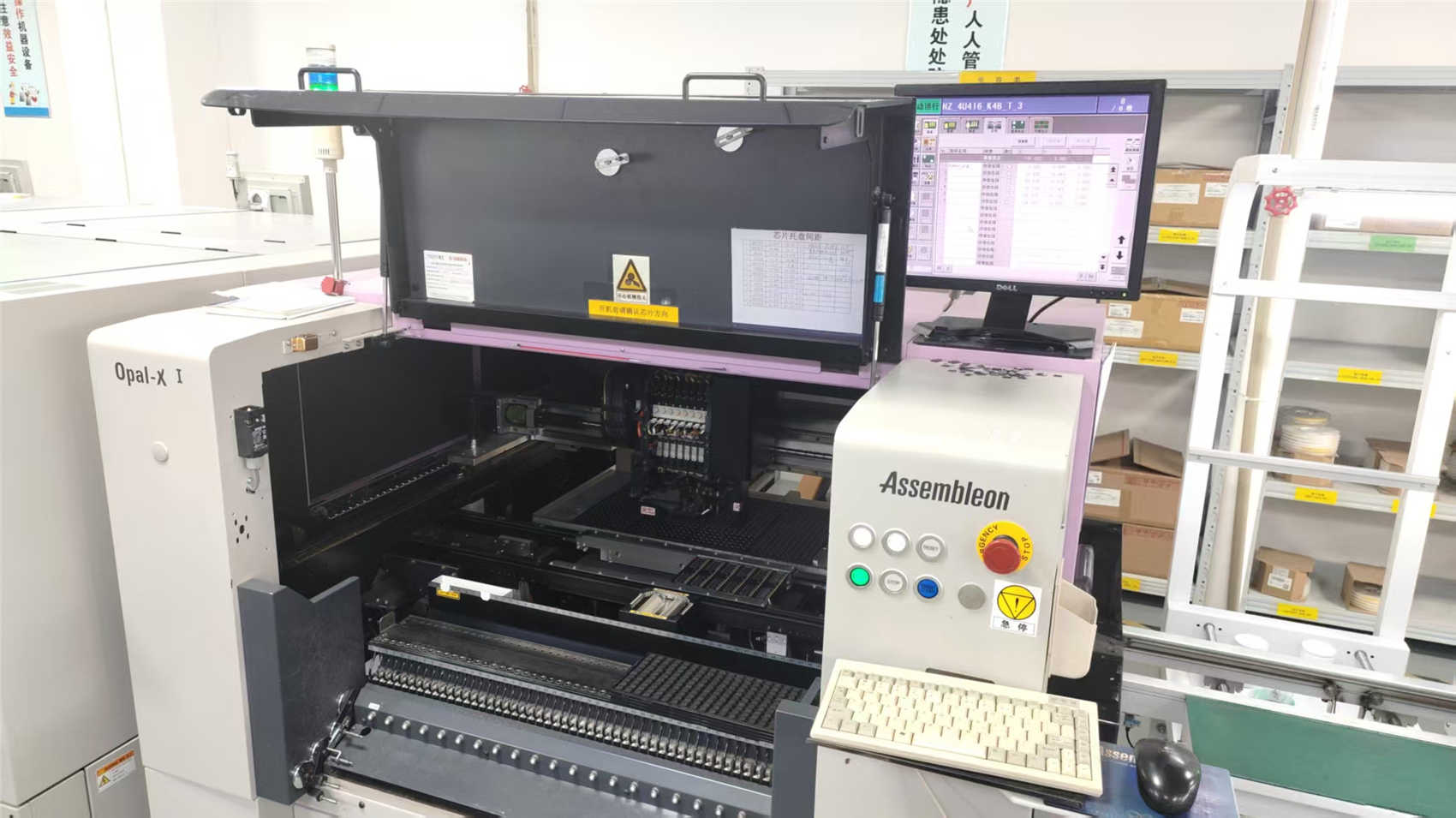
Founded in 2017, Nexora Intelligent Technology Co., Ltd. (Brand: NexoraGPU) is a professional manufacturer specializing in high-performance GPU servers, AI computing systems, HPC clusters, storage servers, and customized data center infrastructure solutions. With a modern production facility covering 386㎡, we provide reliable and scalable computing platforms for enterprises, AI startups, research institutes, universities, cloud service providers, and data centers worldwide.
Leveraging 9 years of industry experience and 6 years of export experience, NexoraGPU has established a strong reputation in the global AI computing market. Our annual export revenue exceeds US$18 million, serving customers across North America, Europe, Southeast Asia, the Middle East, and South America.
We maintain a rigorous quality management system supported by 42 professional quality control personnel. Every product undergoes comprehensive testing procedures, including component verification, burn-in testing, thermal performance testing, power stability testing, compatibility validation, and final system inspection before shipment. Quality inspection methods include 100% functional testing, aging tests, and performance benchmarking to ensure reliable operation in demanding environments.
Innovation remains at the core of our business. Our in-house R&D department consists of 128 experienced engineers specializing in server architecture, thermal design, AI infrastructure deployment, and hardware optimization. We offer comprehensive customization services, including GPU configuration, chassis design, storage architecture, networking solutions, branding, firmware optimization, and rack-level deployment.
Last year alone, NexoraGPU successfully launched 86 new products, further expanding our portfolio of AI servers, GPU workstations, edge computing systems, and enterprise storage platforms. Our advanced R&D capabilities enable us to rapidly develop tailored solutions that meet the evolving requirements of artificial intelligence, machine learning, deep learning, scientific computing, and cloud infrastructure applications.
Addressing the technical considerations when choosing enterprise hardware for rendering and spatial computing.
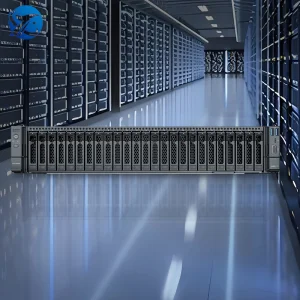
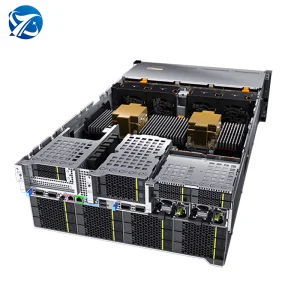
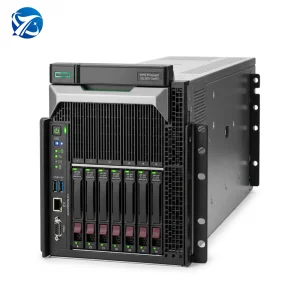
Scale your hardware systems with our line of enterprise processing nodes, storage arrays, and certified DDR4 memory.
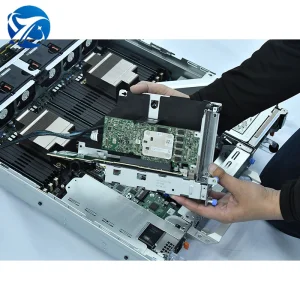
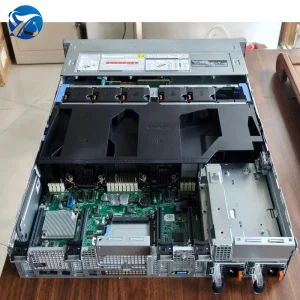
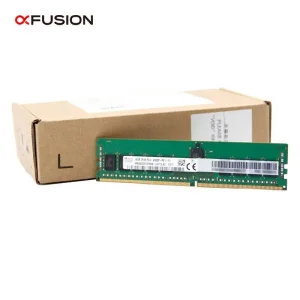
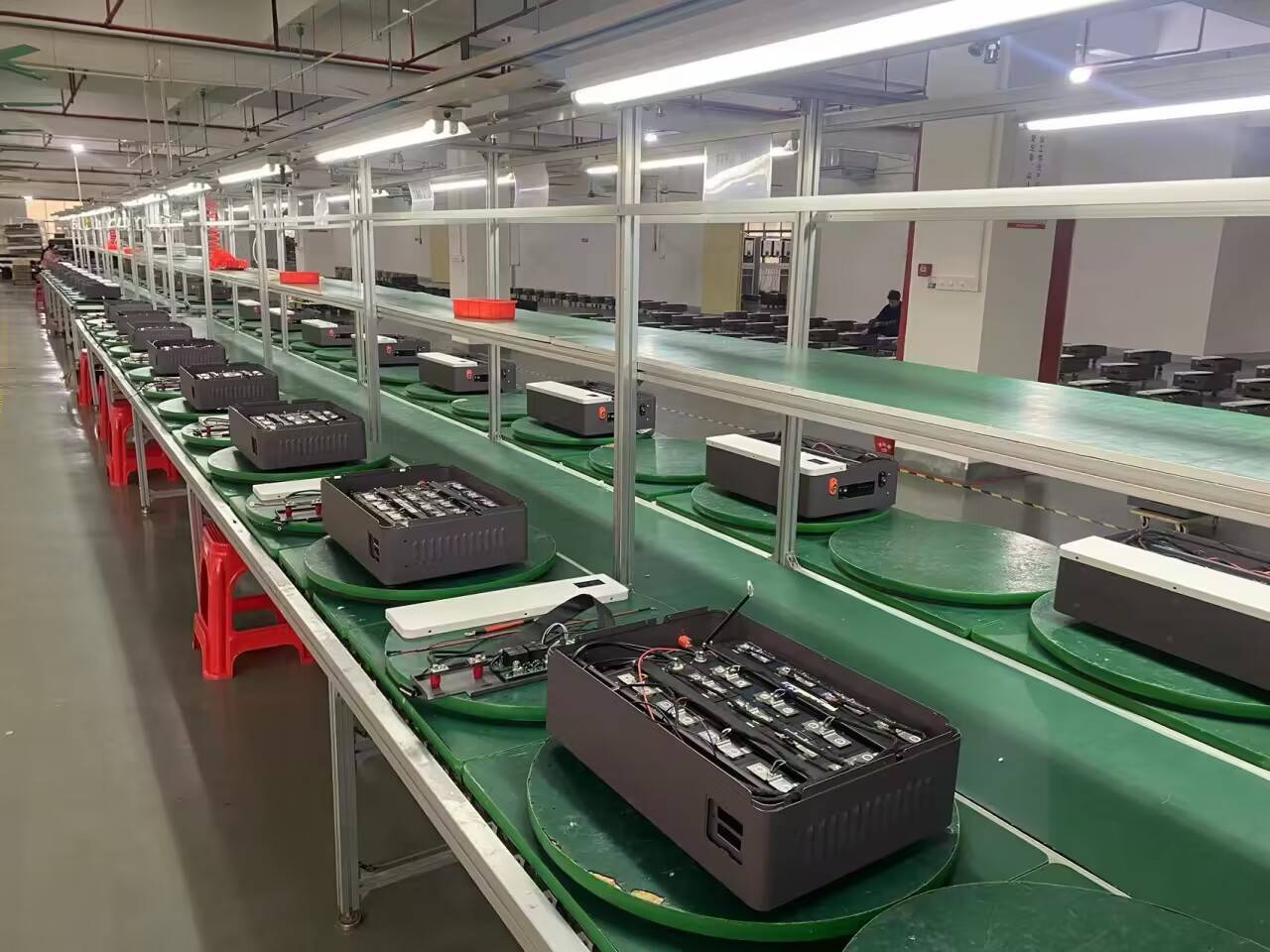
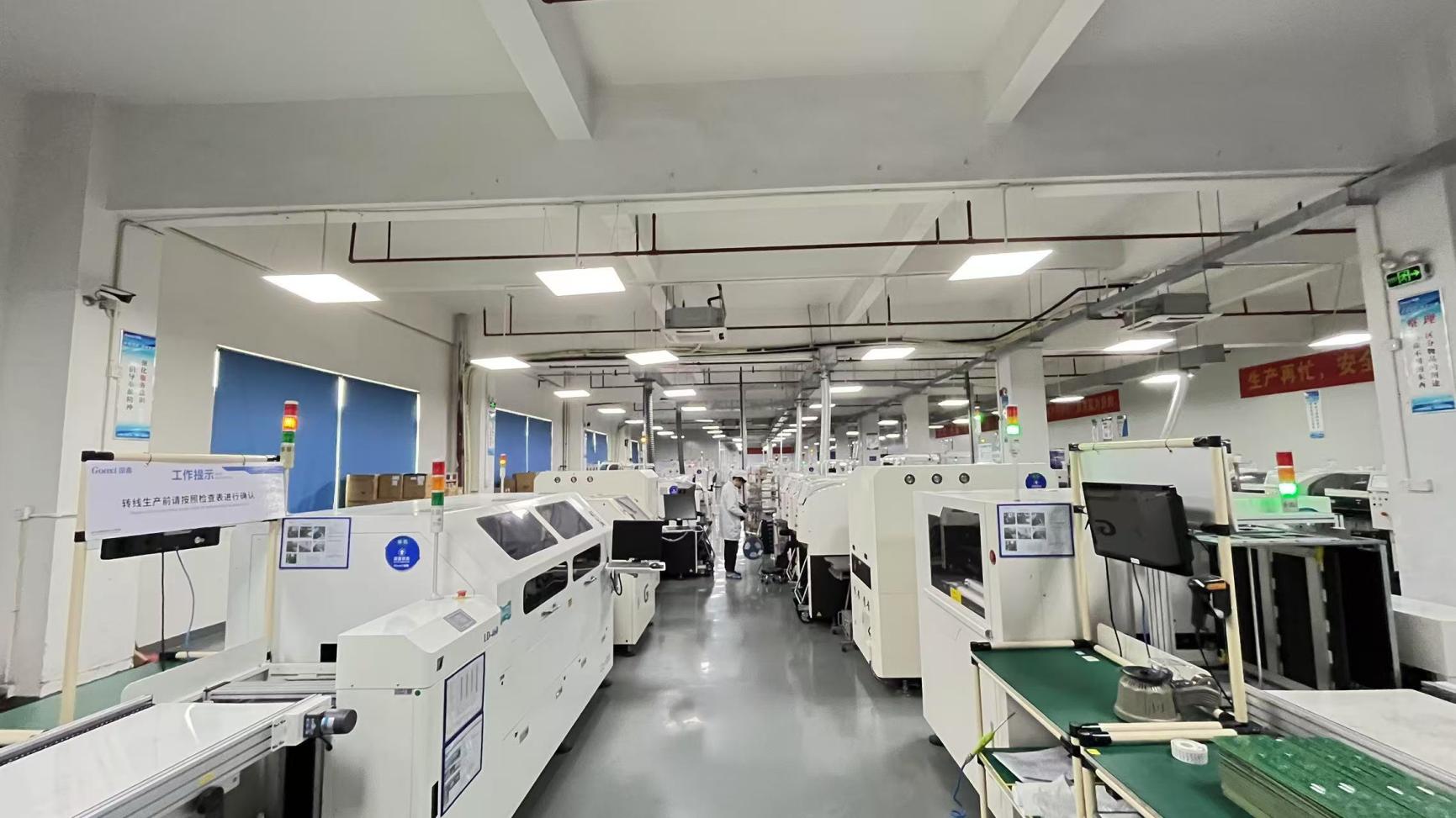
A look inside our testing, validation, assembly, and warehouse lines in China.