NexoraGPU
NexoraGPU
NexoraGPU
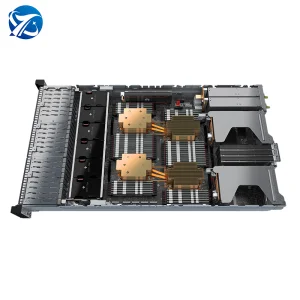
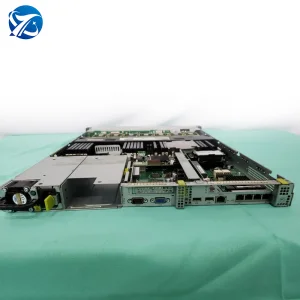
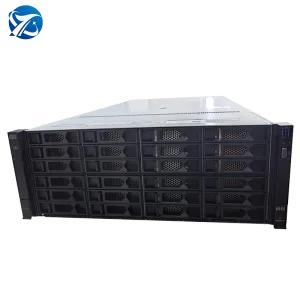
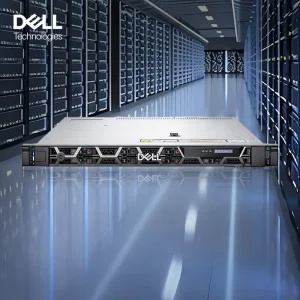
Providing industrial grade server systems, high-density computing platforms, and specialized edge infrastructure since 2017.
Founded in 2017, Nexora Intelligent Technology Co., Ltd. (operating under our global brand NexoraGPU) is a pioneer in manufacturing high-performance GPU servers, AI compute modules, high-density IPC clusters, storage architectures, and customized enterprise data center infrastructure. Based in Shenzhen, our modern manufacturing facilities span an optimized 386㎡ setup, executing precision integration and stress validation protocols to serve modern engineering tasks.
Leveraging over 9 years of industry experience and 6 years of specialized export capabilities, NexoraGPU delivers customized computing options to clients across North America, Europe, the Asia-Pacific region, and South America. By maintaining direct control over design, assembly, and thermal testing, we ensure that every unit operates with the reliability required for critical industrial processes.
We deploy a robust system of OEM and ODM engineering solutions. This allows us to supply high-reliability hardware platforms tailored to the exact form factors, I/O parameters, thermal boundaries, and structural specifications that typical industrial applications require. Supported by 1,250 pre-vetted supply chain partners, we manage raw components, specialized PCBs, high-durability power modules, and specialized enclosures with maximum continuity.
In the last calendar year alone, NexoraGPU released 86 new customized configurations, supporting local deployment of modern artificial intelligence pipelines, DeepSeek operations, low-latency edge storage networks, and real-time factory floor supervision systems.
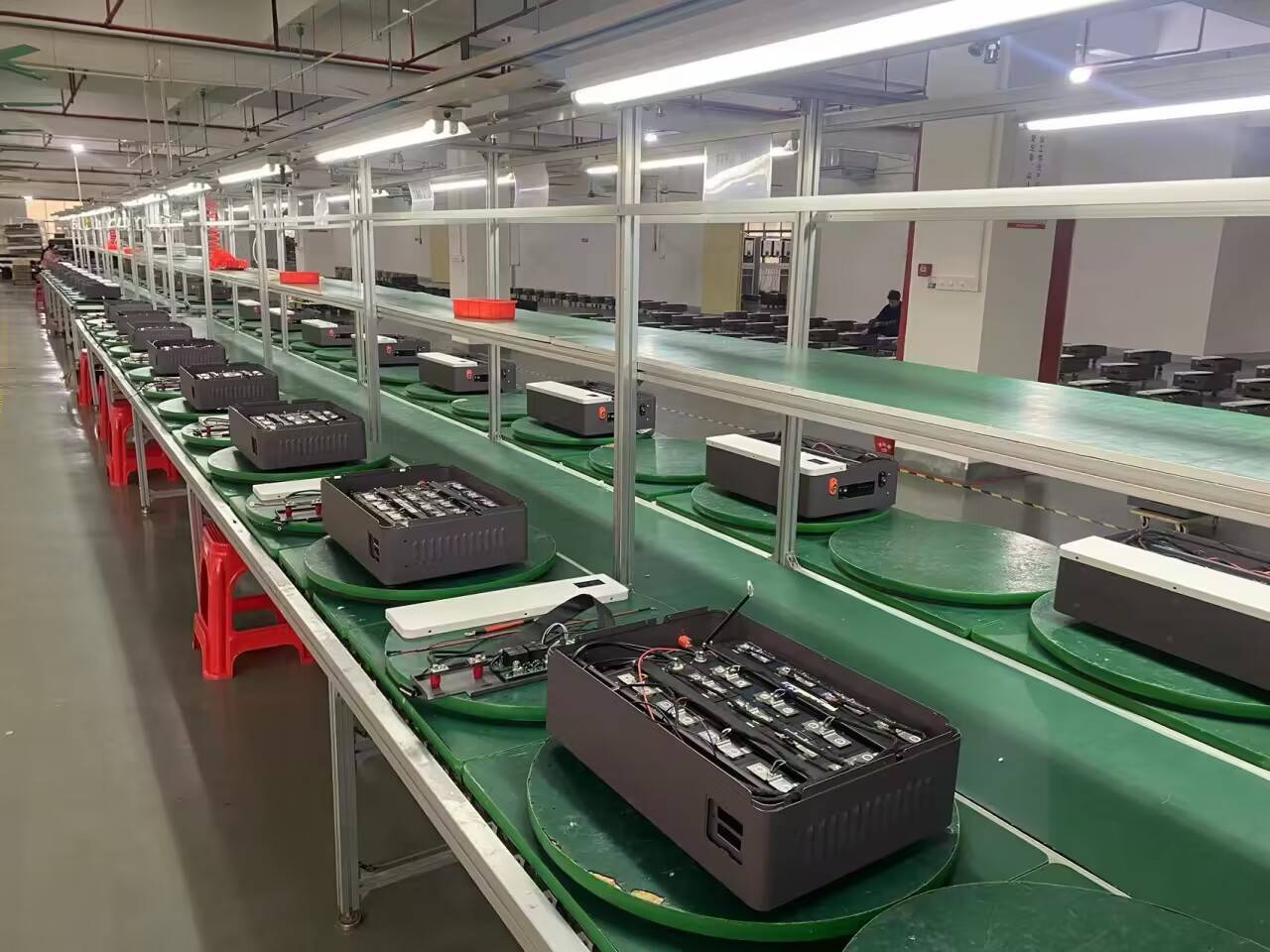

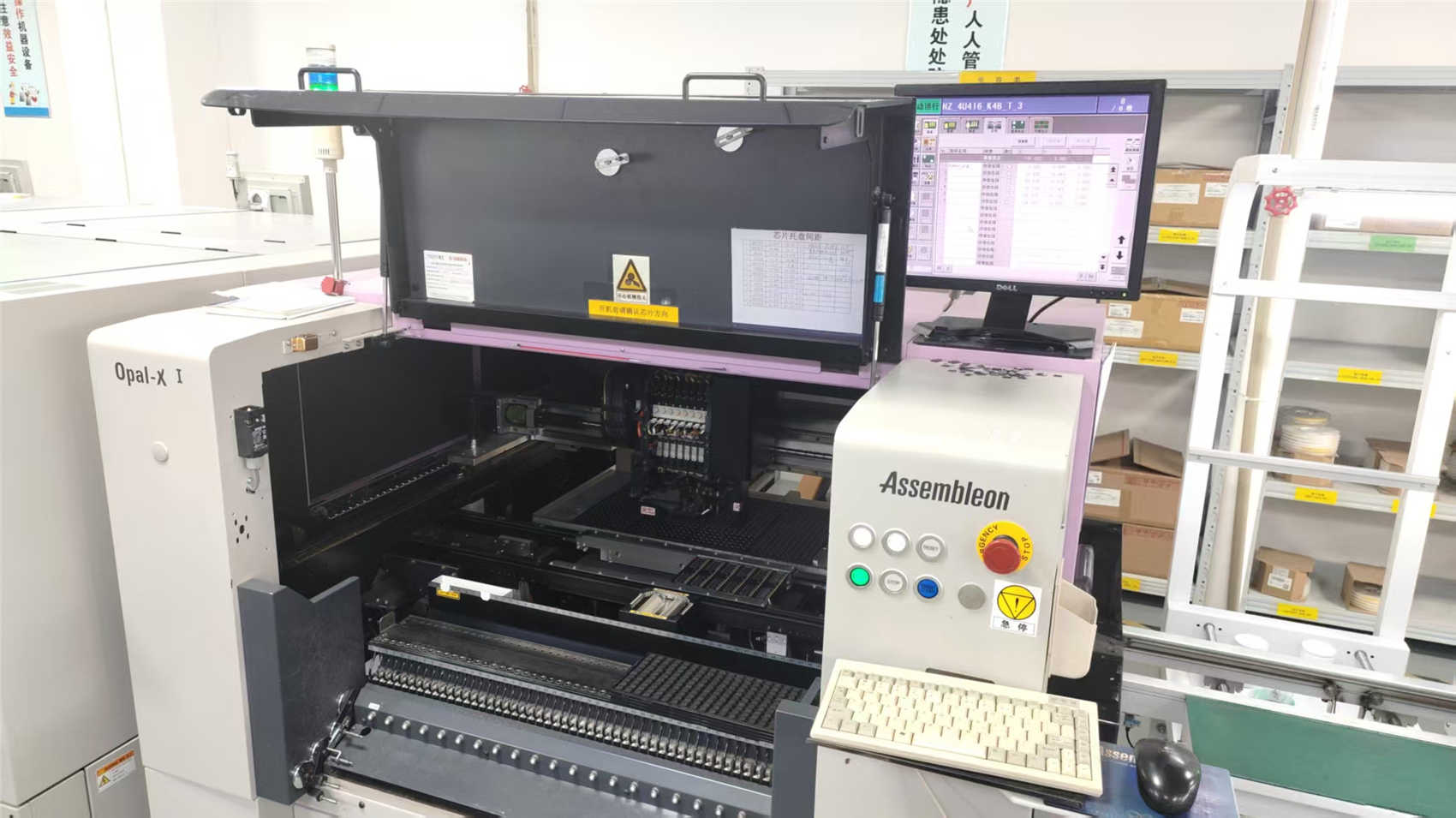
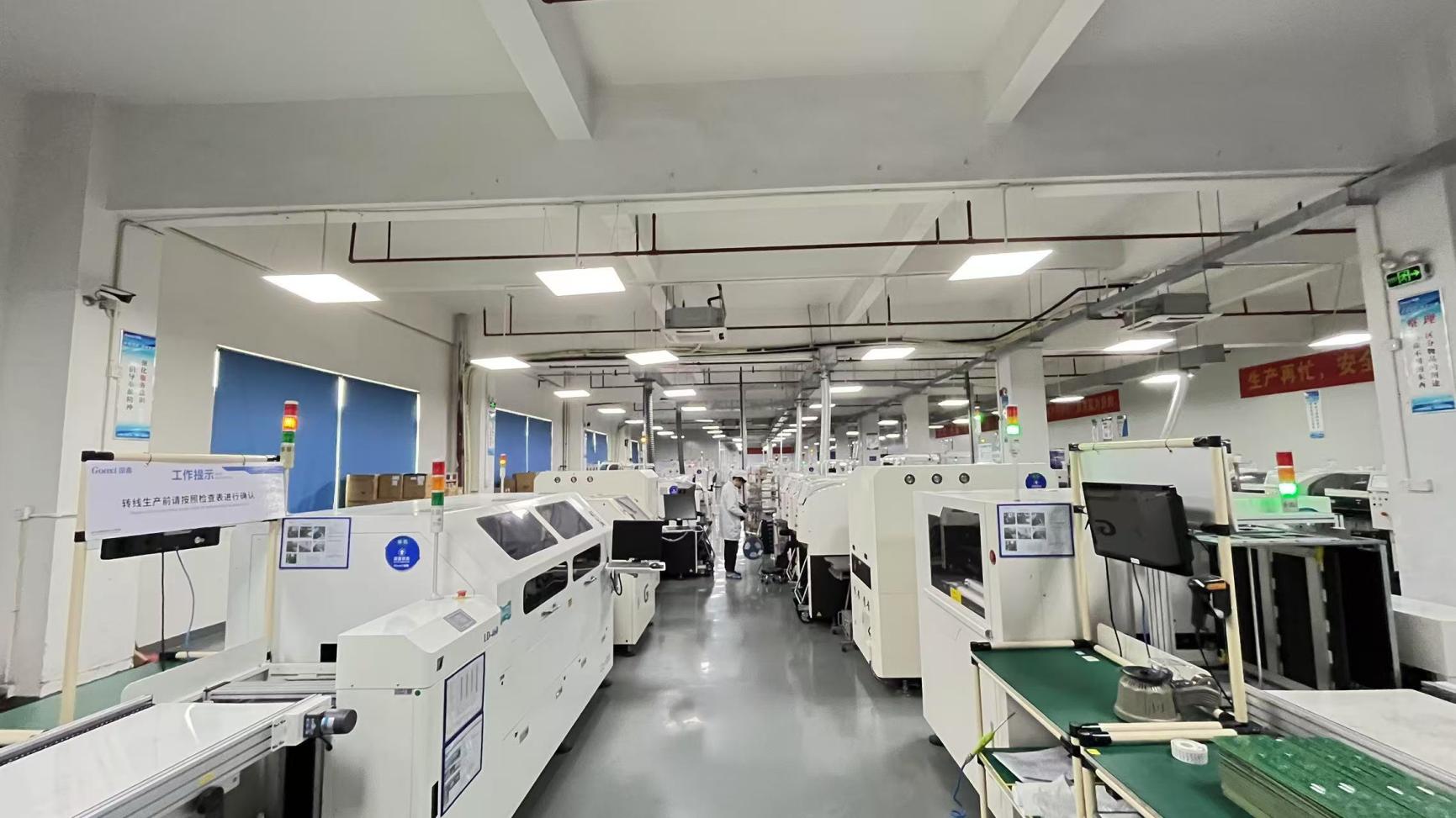
Understanding the engineering criteria, long-lifecycle support, and environmental resilience standards demanded by industrial buyers.
Industrial installations are characterized by extreme conditions. Sourcing agents demand hardware designed to function continuously in temperatures ranging from -40°C to +75°C, requiring copper heat pipes, finned chassis, and high-CFM dual-ball bearing cooling fans.
Unlike standard PCs, which phase out within 18 months, industrial computing nodes require locked Bills of Material (BOM) and continuous CPU availability for 7 to 10 years, ensuring consistency in firmware, kernel updates, and mechanical dimensions.
Vibration dampening structures, locked internal connectors, and IP65/IP67 rated faceplates or fully sealed fanless aluminum structures protect sensitive silicon from factory dust, metallic shavings, mechanical shocks, and ambient moisture.
Global procurers look for multi-channel legacy serial ports (RS-232/422/485) alongside modern interfaces, including isolated CAN bus, Digital I/O (GPIO), dual or quad Gigabit Ethernet with Power over Ethernet (PoE), and high-frequency PCIe Gen 5 configurations.
To prevent malicious firmware exploits or physical system intrusions, procurement templates mandate TPM 2.0 (Trusted Platform Module) chips, secure cryptographic key storage, hardware-enforced boot protocols, and encrypted RAID setups.
Factory floors and vehicles run on varying power systems. Modern systems support wide-range DC inputs (e.g., 9V to 36V or 24V to 110V) with ignition delay controls, power surge protection, and hot-swappable AC/DC backup power units.
The concentration of electronics manufacturing in the South China corridor provides unique advantages for the design and production of industrial-grade systems. NexoraGPU utilizes this regional ecosystem to convert raw schematics into verified physical systems faster than conventional regional facilities.
By coordinating design with 1,250 pre-qualified supply chain partners, we source specialized components, high-grade capacitors, multilayer PCBs, and custom-milled enclosures with short lead times. This ecosystem enables us to adapt production schedules dynamically to secure hard-to-find components and keep delivery times predictable.
Our quality verification process is managed by 42 quality assurance specialists. Each unit undergoes structured environmental testing, including:
Our engineering framework is designed to handle custom requests from system integrators, software developers, and plant managers seeking reliable physical compute platforms.
From modifying backplane trace layouts to designing customized sheet-metal chassis, our R&D division of 128 engineers translates requests into working prototypes within weeks.
We use modern high-speed SMT assembly lines with automated optical inspection (AOI) and X-ray analysis to verify solder point integrity on complex multilayer boards.
Direct links to international logistics hubs allow us to dispatch completed systems under multi-mode shipping configurations, complete with customs documentation.
How Edge AI, virtualization, and advanced cooling technologies are transforming the design and capabilities of modern industrial systems.
Historically, a standard automated assembly line required separate computing hardware for PLC controls, human-machine interface (HMI) displays, and machine vision inspection. Modern multi-core processors change this model.
Using high-core count Intel Xeon Scalable or AMD EPYC platforms, factories can run virtual machines (VMs) or containerized architectures on a single rugged industrial server. This reduces physical hardware footprints, minimizes points of failure, and cuts overall system heat generation.
Modern industrial systems must process high-frequency sensor data locally to avoid the bandwidth, latency, and security concerns associated with cloud storage.
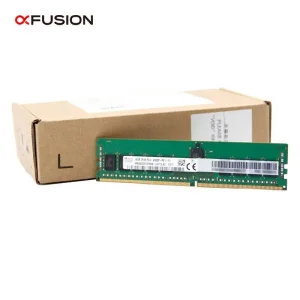
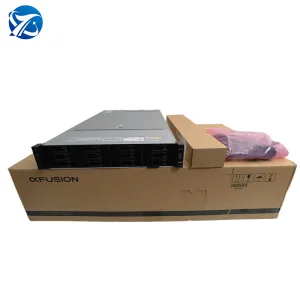
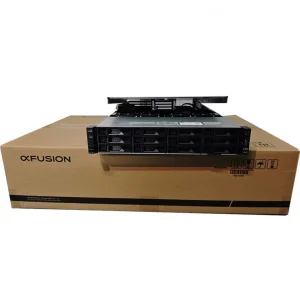
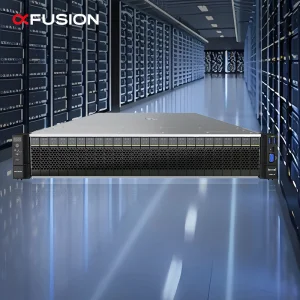
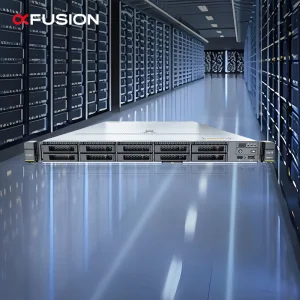
By integrating PCIe Gen 5 expansion slots designed for high-density GPUs (such as xFusion and custom AI servers), modern industrial PCs function as local inference nodes. These systems run models like DeepSeek to identify assembly-line defects in real time, monitor equipment wear, and direct automated robotic arms.
As processing demands rise at the edge, traditional air cooling faces limitations, especially in dust-heavy, humid, or chemically active manufacturing environments.
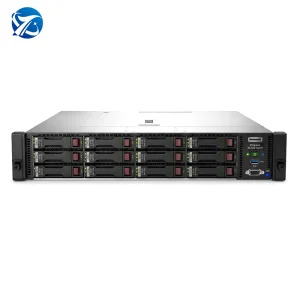
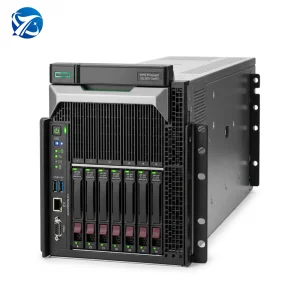
Design is shifting toward sealed, fanless enclosures featuring direct-contact heat pipes and extruded external cooling fins, as well as hybrid liquid-cooling setups for high-density server configurations (such as HPE ProLiant Liquid Cooling). These designs eliminate external air exchange, preventing airborne contaminants from damaging internal circuitry.
Future-proof industrial systems are incorporating high-bandwidth communication protocols to support modular production lines and automated vehicle fleets.
Integration of Time-Sensitive Networking (TSN) controllers, multi-channel 10G/25G fiber connections, 5G wireless modules, and Wi-Fi 7 chips ensures stable data transfer between the machine floor, local computing resources, and central databases.
Providing engineered systems across five primary fields of application to ensure optimal performance and environmental compatibility.
Factory floors require computing hardware that can process high-speed camera feeds for quality inspection while directing mechanical components in real time.
Implemented Hardware: Custom IPC units featuring multiple isolated Power over Ethernet (PoE) ports, specialized PCIe capture cards, and high-frequency Core or Xeon processors. These components support real-time defect classification, reducing manual inspection needs.
Electrical substations and wind generation sites are subject to severe electromagnetic fields, high voltage surges, and extreme temperature variations.
Implemented Hardware: Rackmount systems complying with IEC 61850-3 and IEEE 1613 parameters. Designs use isolated serial and Ethernet connections, fanless heat dissipation, and wide-range redundant power modules to ensure continuous operation.
Forklifts, automated guided vehicles (AGVs), and railway cars expose onboard electronics to continuous physical shocks, vibration, and inconsistent power supplies.
Implemented Hardware: Low-power, vibration-resistant IPCs complying with EN 50155 standards. Features include M12 screw-lock connectors to prevent cables from shaking loose, ignition-aware power supplies, and rugged solid-state storage.
Medical imaging setups and laboratory analysis instruments require low-latency processing of high-definition data alongside strict electrical isolation for user safety.
Implemented Hardware: Medical-grade compute platforms compliant with EN 60601-1 standards. They feature isolated power systems, silent active cooling, and specialized GPU integration for high-resolution diagnostic processing.
Managing regulatory certifications, global distribution pipelines, and long-term hardware support models.
Distributing industrial systems internationally requires compliance with varying regional electrical, safety, and environmental standards. NexoraGPU maintains standard compliance pathways, certifying hardware under CE, FCC, RoHS, CCC, UL, and VCCI frameworks to simplify customs clearance and deployment.
Our commitment extends beyond initial delivery. We offer structured technical support, including firmware customization, bios-level locking to prevent software issues, and coordinated spare parts inventory. This approach helps system integrators minimize system downtime throughout the hardware lifecycle.
To support global deployments, we offer:
Addressing technical questions regarding OEM/ODM configuration options, thermal design, and system longevity.
We select processors and chipsets from embedded roadmaps (such as Intel's IoTG group or AMD Embedded lines) which carry manufacturer commitments for 7 to 15 years of availability. We lock the Bill of Materials (BOM) upon prototype approval, meaning no capacitor, resistor, controller, or PCB layout changes without direct customer consent.
Fanless IPCs rely entirely on conduction and convection. Heat is routed via copper heat pipes to external aluminum heatsinks, eliminating fans that can fail or draw in dust. Active-cooled rack servers use redundant, high-static-pressure fans to move air through dense configurations, making them better suited for climate-controlled server rooms or specialized air-filtered cabinets.
Yes. Through our internal PCB design and metal fabrication facilities, we customize I/O plates and motherboard configurations. We can integrate isolated DB9 connectors, multi-channel GPIO blocks, and fiber-optic networking ports to fit your specific data requirements.
We classify suppliers into tiers based on performance, quality history, and response speed. Every incoming batch of components undergoes inspection, including electronic verification and visual analysis. Critical components like RAM, SSDs, and power supplies undergo testing before entering our final assembly lines.
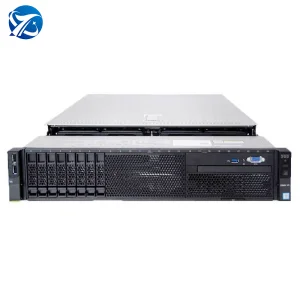
Yes. Our high-density 1U to 4U GPU servers are engineered with high-bandwidth PCIe Gen 5 lanes, robust power supplies, and specialized cooling. This architecture supports high-performance GPU configurations (such as NVidia or AMD tensor cores) to enable local deployment of large language models, neural network training, and real-time machine learning inference without cloud latency.