NexoraGPU
NexoraGPU
NexoraGPU
Optimized hardware architectures designed to execute mission-critical enterprise compute and edge database processing
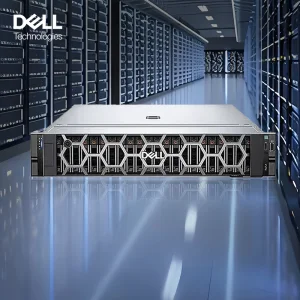
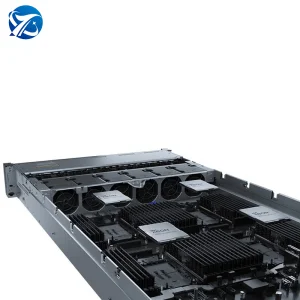
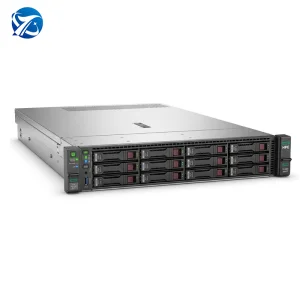
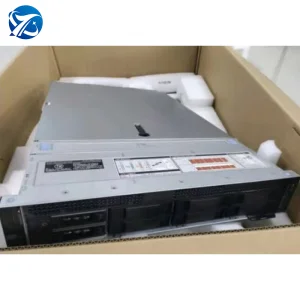
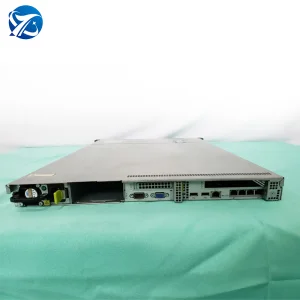
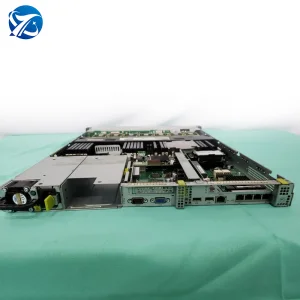
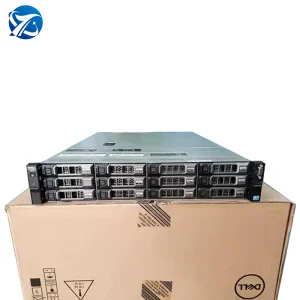
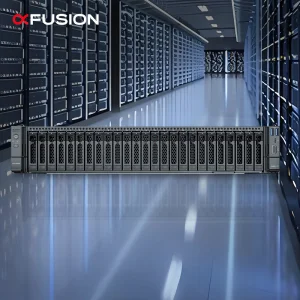
Analyzing current global commercial trends, processing dynamics, and modern enterprise datacenter constraints
The contemporary global infrastructure landscape is undergoing a massive transformation driven by the rapid growth of large language models (LLMs), machine learning workloads, and hyperscale virtualization. Enterprise datacenters are shifting away from traditional general-purpose compute pipelines toward heterogeneous, accelerated computing environments that require close integration between high-speed networking and parallel computing architectures. In this context, network performance is no longer simply about raw throughput; it is about packet processing efficiency, thermal resilience, latency reduction, and high-frequency interconnect reliability.
Internationally, datacenters face significant bottlenecks because CPU speeds cannot keep pace with the massive parallel storage requirements of AI training models, such as the emerging DeepSeek systems. Deployments are increasingly reliant on high-bandwidth, low-latency technologies including DDR5 memory interfaces, PCI Express (PCIe) Gen 5/6 system buses, and ultra-high-speed networking architectures like 400GbE, 800GbE, and InfiniBand. This shift requires custom Original Equipment Manufacturer (OEM) designs tailored to the exact specifications of the host facility, including specific power budgets and cooling capabilities.
By leveraging custom OEM configurations, system integrators and hyperscalers bypass the structural limitations of off-the-shelf platforms. High-density server systems, such as 1U and 2U rack-mounted servers configured with multi-socket Intel Xeon Scalable or AMD EPYC processors, require specialized motherboard layouts and backplane routing. This custom engineering prevents signal degradation across high-frequency lines, allowing networks to consistently deliver line-rate speeds even under maximum processing load.
Elite computing infrastructure designed, verified, and exported worldwide under strict quality assurance frameworks
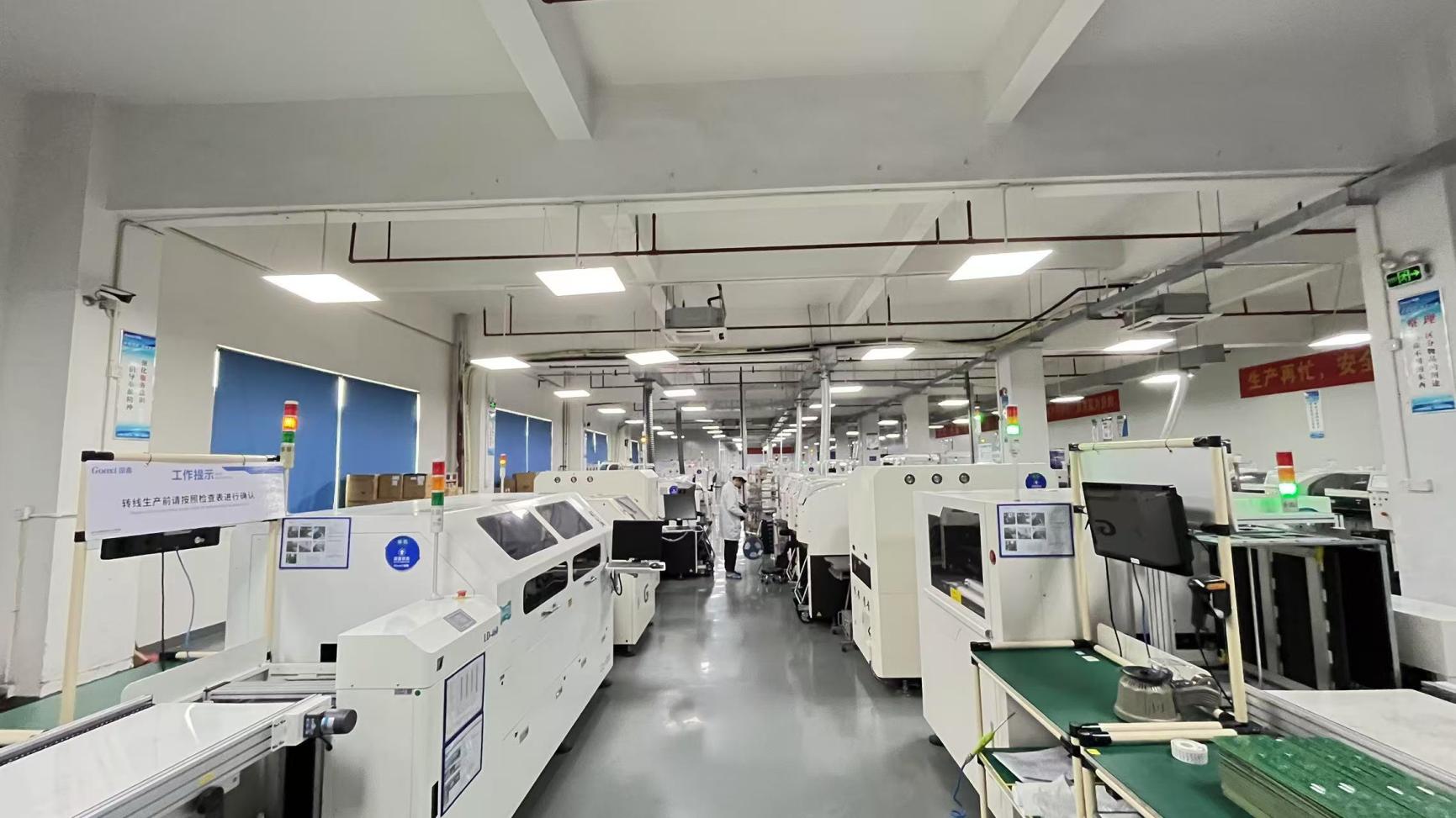
Founded in 2017, Nexora Intelligent Technology Co., Ltd. (Brand: NexoraGPU) has established itself as a premier OEM/ODM manufacturer specializing in high-performance GPU servers, AI compute clusters, and customized network systems. Operating out of a highly optimized facility in Shenzhen, we deliver custom-engineered enterprise architectures to system integrators, academic institutions, and hyperscale datacenters globally.
With 9 years of deep technical experience and 6 years of direct global export history, our annual export revenue has exceeded US$18 million. Our international footprint spans North America, Europe, the Middle East, and South America, supported by a network of more than 1,250 supply chain partners. This robust vendor network guarantees our ability to source tier-one enterprise components—including the latest high-density storage modules, DDR5 ECC Registered DRAM, and enterprise-grade multi-socket processor platforms—even during global supply constraints.
Our in-house R&D department features 128 experienced system design engineers, structural engineers, and thermal validation specialists. Our development team handles every aspect of server creation, from initial PCB layout design and thermal airflow simulation to BIOS/UEFI firmware customization and IPMI management card implementation. In the past year alone, NexoraGPU designed and released 86 new server configurations, helping clients rapidly deploy specialized deep learning, AI inference, and high-frequency virtualization environments.
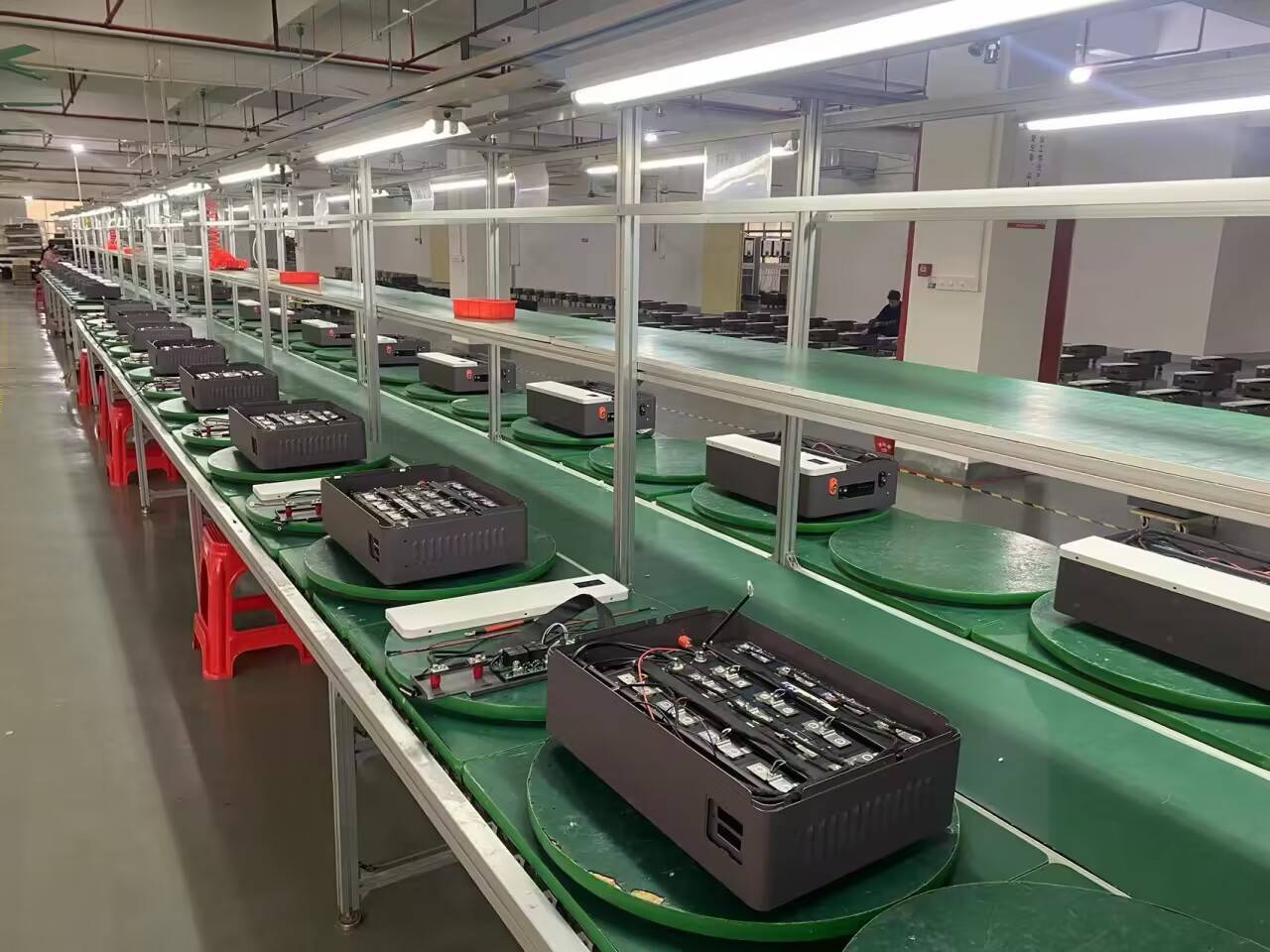
To maintain reliable performance in demanding, continuous-use environments, NexoraGPU employs a dedicated team of 42 quality control inspectors. Every server module undergoes a comprehensive testing protocol before shipment:

The technological innovations shaping datacenter efficiency, memory throughput, and processing density
Transitioning from DDR4 to DDR5 delivers memory bandwidth speeds up to 4800MT/s and 5600MT/s, featuring on-die ECC (Error Correction Code) and onboard Power Management ICs (PMIC) to guarantee signal integrity.
Modern servers integrate multi-socket configurations and high-performance PCIe Gen 5 fabrics. They are built to manage advanced workloads like DeepSeek, utilizing high-throughput backplanes to support multi-GPU clustering.
As power requirements exceed 300W per CPU and 700W per GPU, air cooling reaches its thermal limits. Custom chassis integrate hybrid liquid-to-air systems and closed-loop cold plates to prevent thermal throttling.
Customizing network and compute architecture for specific industrial and commercial environments
General-purpose servers often struggle to run specialized industrial workloads efficiently. Local deployments require hardware optimized for their exact environmental conditions and network topology:
The technical milestones and engineering paradigm shifts projected through 2030
Widespread adoption of PAM4 signaling schemes on PCIe 6.0 buses, doubling unit-area throughput and matching demand for 800Gb/s network interconnect fabrics.
Full implementation of Compute Express Link (CXL) 3.0, allowing multiple server blades to share memory pools dynamically, reducing memory overhead.
Integration of fiber-optic connections directly on the processor package, bypassing copper traces to reduce transmission latency and power consumption.
Deployment of self-optimizing BIOS systems and dynamic cooling loops managed by telemetry models, matching power profiles to real-time application workloads.
A structured, end-to-end approach to delivering custom hardware configurations at global scale
At NexoraGPU, we design custom systems to match the exact networking, thermal, and mechanical requirements of our clients' operations. Our structured OEM engineering workflow guarantees repeatable quality from initial concept to global volume deployment:
1. Requirement Gathering & Feasibility Analysis: Our engineering team collaborates with the client's IT department to define specific CPU/GPU configurations, interface options, storage requirements, power budgets, and physical dimensions.
2. Structural & Thermal CAD Simulation: We generate detailed 3D CAD models of the chassis and motherboard layout. Our thermal engineers run computational fluid dynamics (CFD) simulations to optimize airflow and liquid cooling lines before manufacturing physical prototypes.
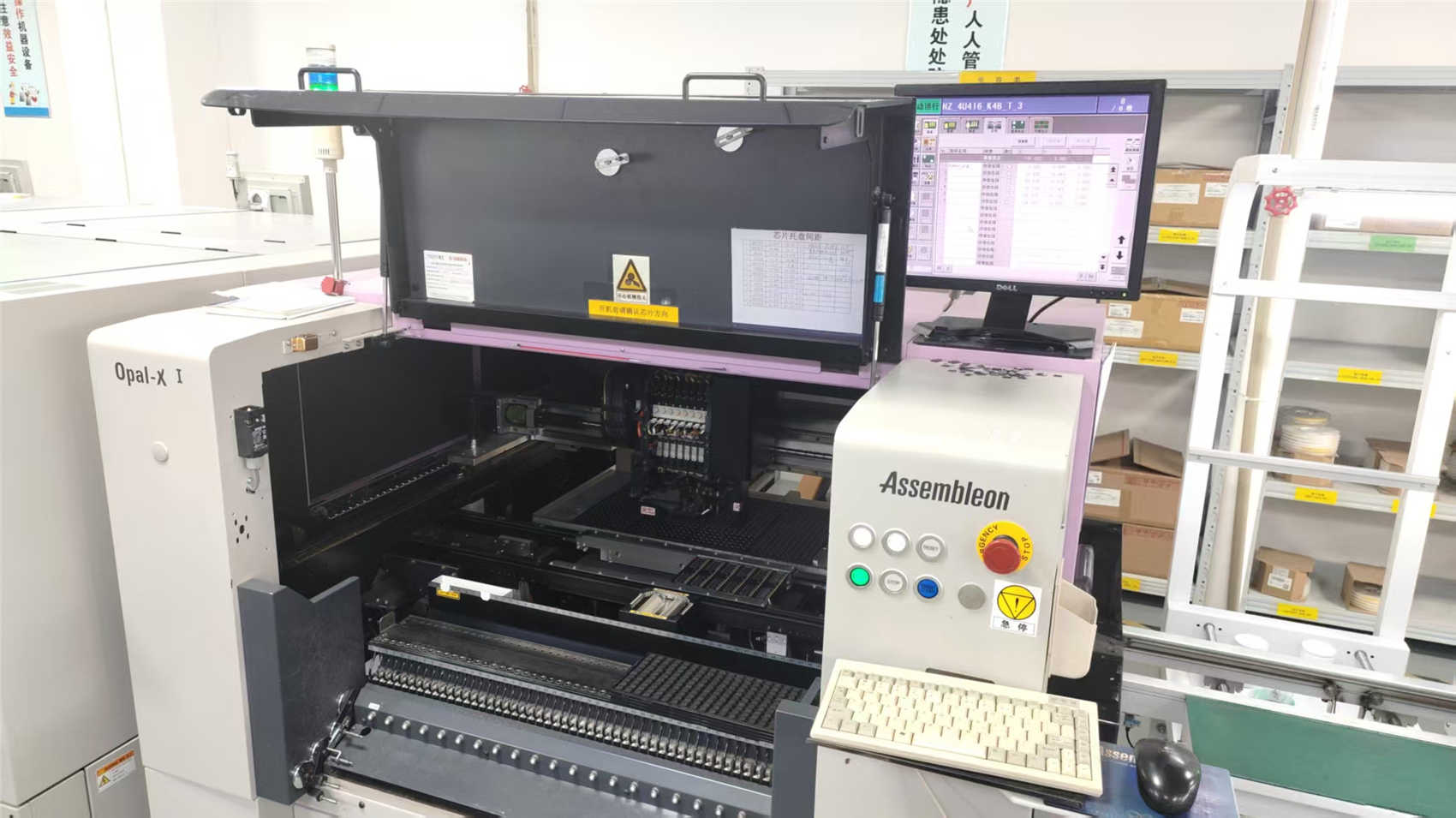
3. Rapid Prototyping & Motherboard Tracing: We produce prototype boards and chassis components in-house. Our R&D lab refines motherboard trace routing and backplane layouts to ensure high signal integrity across high-speed PCIe Gen 5 and DDR5 memory channels.
4. Comprehensive Certification & Validation: We put prototype builds through rigorous physical testing, including vibration table tests and high-temperature stress tests. Every system design is certified to comply with relevant international standards, including CE, FCC, RoHS, and UL, ensuring seamless customs clearance and local compliance.
5. Volume Production & Quality Control: Once validated, the design moves into volume production. Every unit passes through our 42-person QA inspection queue, undergoing AOI inspection, functional diagnostic testing, and dynamic burn-in cycles.
6. Global Export Logistics: Finished servers are packaged in custom, shock-absorbing materials designed for international shipping. Our experienced export division coordinates secure logistics and customs documentation to ensure safe delivery to the destination datacenter.
Expert technical answers regarding server deployment, performance optimization, and hardware custom designs
DDR5 memory provides a substantial performance increase over DDR4 by doubling the base data rate and introducing a split-channel memory architecture. Each DDR5 DIMM features two independent 32-bit subchannels (compared to a single 64-bit channel in DDR4), which improves memory access efficiency and reduces latency for network-bound workloads. Additionally, DDR5 places the Power Management Integrated Circuit (PMIC) directly on the memory module, enabling cleaner power delivery, reduced noise, and better signal stability under high processing loads.
A Data Processing Unit (DPU) acts as a dedicated co-processor for networking, storage, and security virtualization tasks. In dense AI compute clusters, standard CPU threads can become bottlenecked by managing network packet encapsulation, encryption (IPsec/TLS), and NVMe-over-Fabrics storage access. By offloading these infrastructure tasks to a DPU, host CPU cores remain fully available to execute application logic and feed data to GPU clusters, maximizing the overall processing efficiency of the server.
Our thermal engineering team uses a multi-faceted approach to cool dense 1U configurations. We design custom airflow shrouds to guide high-velocity air directly over hot components, utilize counter-rotating high-CFM fans, and design low-profile copper heat sinks with embedded vapor chambers. For systems running high-thermal components, we offer hybrid and closed-loop liquid-cooling cold plates, which transfer heat directly to liquid loops, bypassing the physical limitations of standard air-cooling systems.
PCIe Gen 5 delivers up to 32 GT/s per lane, doubling the bandwidth of PCIe Gen 4. For multi-GPU systems, this higher bandwidth is critical for reducing communication bottlenecks during model training and data synchronization. PCIe Gen 5 also enables faster data transfers from high-speed NVMe storage arrays directly to GPU memory, ensuring that processing accelerators do not sit idle waiting for training data.
We provide full BIOS and UEFI customization, allowing customers to configure specific boot options, disable unused hardware controllers, and inject custom security keys. For remote management, our platforms integrate ASPEED AST2600 BMC controllers running custom open-source or proprietary firmware that supports the Redfish API. This enables datacenter administrators to securely monitor server temperatures, fan speeds, and voltage levels remotely, as well as automate software updates across their entire infrastructure.
Both protocols enable Remote Direct Memory Access (RDMA) to bypass the host CPU and operating system kernel during data transfers. InfiniBand is a dedicated, high-performance networking fabric that provides low latency and built-in congestion control, making it ideal for large-scale GPU clusters. RoCE v2 (RDMA over Converged Ethernet) runs RDMA protocols directly over standard Ethernet networks, providing a more cost-effective solution that integrates with existing Ethernet infrastructure. Choosing between the two involves balancing performance requirements against existing network hardware budgets and deployment timelines.
High-reliability datacenter hardware built for parallel processing and advanced storage applications