NexoraGPU
NexoraGPU
NexoraGPU
Deploy high-availability remote infrastructure with our certified computational systems, customized GPU workloads, and reliable rack deployments.
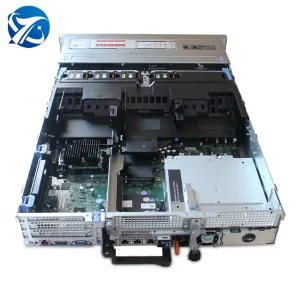
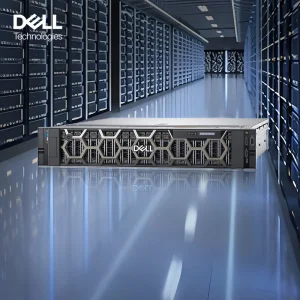
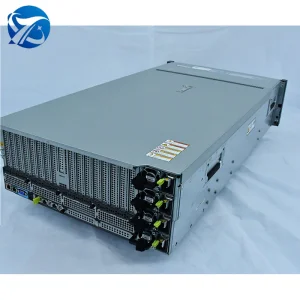
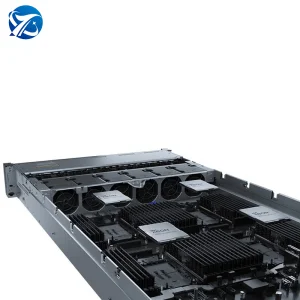
In the era of distributed labor, custom remote work tools span far beyond software interfaces. The core efficiency of virtual collaborations relies on physical infrastructure: high-performance GPU systems, secure virtual desktop hosting, scalable NAS servers, and robust networking routes. Nexora Intelligent Technology Co., Ltd. (operating under the global brand NexoraGPU) serves as a pioneering ODM & OEM manufacturer engineering the physical backbone that makes decentralized work possible.
Founded in 2017, NexoraGPU builds high-performance GPU servers, AI compute stacks, HPC clusters, and virtualized network systems designed to maintain application uptime and data security for remote enterprise environments. Supported by a specialized modern integration and thermal test facility measuring 386㎡, we cater to data centers, remote development houses, and academic institutes requiring constant, reliable hardware channels.
With over 9 years of industry experience and 6 years of export expertise, NexoraGPU maintains deep-rooted operational channels across North America, Europe, the Middle East, and APAC. We translate hardware capabilities into secure corporate VDI clusters, enabling remote graphic designers, developers, and data scientists to execute high-intensity operations from anywhere on earth.
"True efficiency in remote work tool manufacturing lies in aligning computational density with thermal dissipation capabilities. Without structural durability at the chip-and-board level, software virtualization collapses under heavy loads."
Unpacking the shift from localized office terminals to centralized high-density virtual remote desktop architectures.
Modern remote operations require reliable access to localized cloud assets. Enterprises face latency and data leakage issues when using standard client-server models. Centralized servers host high-performance workflows (CAD/CAE, video rendering) while delivering real-time virtual desktop interfaces directly to remote teams globally.
NexoraGPU harnesses China's industrial clustering advantage, coordinating components through our network of over 1,250 certified suppliers. By consolidating component procurement, rapid board printing, and precision metal stamping, we reduce lead times by 40% compared to Western competitors.
From custom BIOS branding to modified PCIe slot distribution for multi-GPU arrays, NexoraGPU's 128 R&D engineers tailor hardware to specific remote tooling suites. We deployed 86 new custom computational configurations in the past year alone, highlighting our agility.
Analyzing how businesses deploy our custom OEM hardware to run modern, low-latency remote collaboration tools.
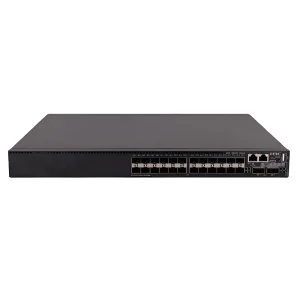
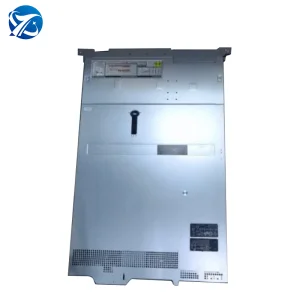
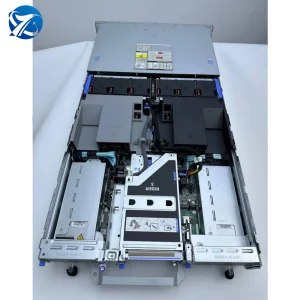
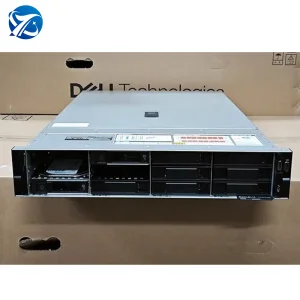
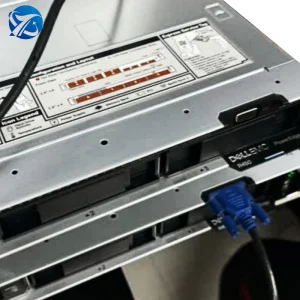
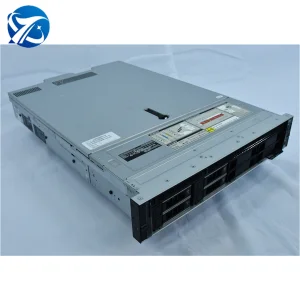
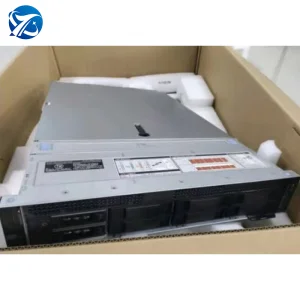
Engineering houses and graphic studios cannot ship physical workstations to global designers without risking IP exposure and data loss. Enterprise rack servers (such as Dell PowerEdge and H3C 10G switches) enable organizations to host centralized VDI hubs. Creative workers run resource-heavy tools via compressed video protocols, preventing sensitive data from leaving the central host server.
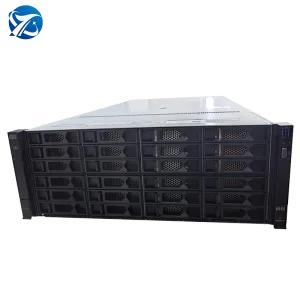
Remote data scientists need shared access to high-compute nodes for machine learning workloads. By utilizing GPU workstations and deep learning servers (such as the xFusion G5500 V6), businesses can configure shared GPU compute pools. This enables remote team members to execute parallel computation tasks without bottlenecking local network bandwidth.
Fast file access is critical for remote teams working on large media projects, software builds, or datasets. High-capacity NAS servers, integrated with SSD arrays and high-speed network interfaces, provide low-latency caching layers. These systems allow localized synchronization with cloud services like AWS or Azure, minimizing remote access latency.
Software compilation can strain standard employee laptops. Relocating these build pipelines to centralized servers reduces compile times from hours to minutes. This workflow allows remote developers to execute test suites and push code updates smoothly, maintaining continuous delivery pipelines.
The convergence of remote team structures and resource-intensive software suites demands significant changes in underlying server hardware. Legacy server models often fail to support the performance densities required for modern virtualization layers. The industry is moving toward high-efficiency architectures characterized by:
Modern remote work applications demand real-time telemetry, live high-definition video collaboration, and immediate computational feedback. Platforms leveraging PCIe Gen 5 architectures achieve double the throughput of previous generations, enabling rapid data transit between memory storage and GPU nodes. This ensures virtual application delivery remains lag-free, even during complex engineering tasks.
As processor thermal design power (TDP) reaches and exceeds 350W, conventional air-cooling systems are hitting physical limitations. Liquid-to-air loop systems and direct-to-chip cooling plates (featured in models like the HPE ProLiant DL360 Gen12) are becoming standard in modern facilities. This transition helps keep server operating temperatures low, preventing thermal throttling and extending system lifespan.
SEO Technical Insight: Implementing liquid-cooling protocols inside custom enterprise architectures helps reduce power consumption (PUE), aligning corporate data centers with green energy directives while sustaining computational speeds under intense multi-user demands.
Security is a key concern for distributed operations. Modern server hardware addresses this by integrating Silicon Root of Trust, cryptographically verifying hardware integrity from boot-up to runtime. Combined with TPM 2.0 modules and secure memory encryption, this prevents unauthorized system manipulation at the bare-metal level, securing enterprise assets accessed by remote employees.
Every computational build undergoes comprehensive testing protocols to ensure stable operation under demanding 24/7 workloads.
All inbound components (memory sticks, storage units, power supplies, processors) undergo verification to confirm compliance with target specifications. This includes verifying hardware revision numbers, checking component firmware versions, and screening out sub-par materials.
Assembled servers undergo a minimum 72-hour thermal stress test inside temperature-controlled rooms. We run custom benchmarking scripts to stress GPUs, CPUs, and system RAM, verifying that the physical cooling design handles peak thermal outputs without performance loss.
Systems are tested with standard VDI and network protocols (VMware ESXi, Hyper-V, Citrix Virtual Apps, and remote graphics protocols) to check driver stability and verify that the virtualized operating environment runs smoothly.
Technical clarifications for system integrators, CTOs, and procurement managers looking to deploy OEM remote infrastructure.
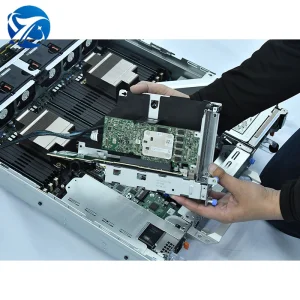
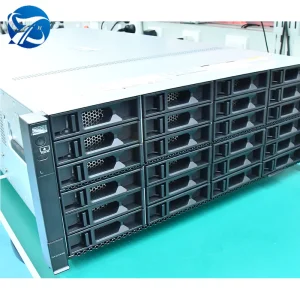
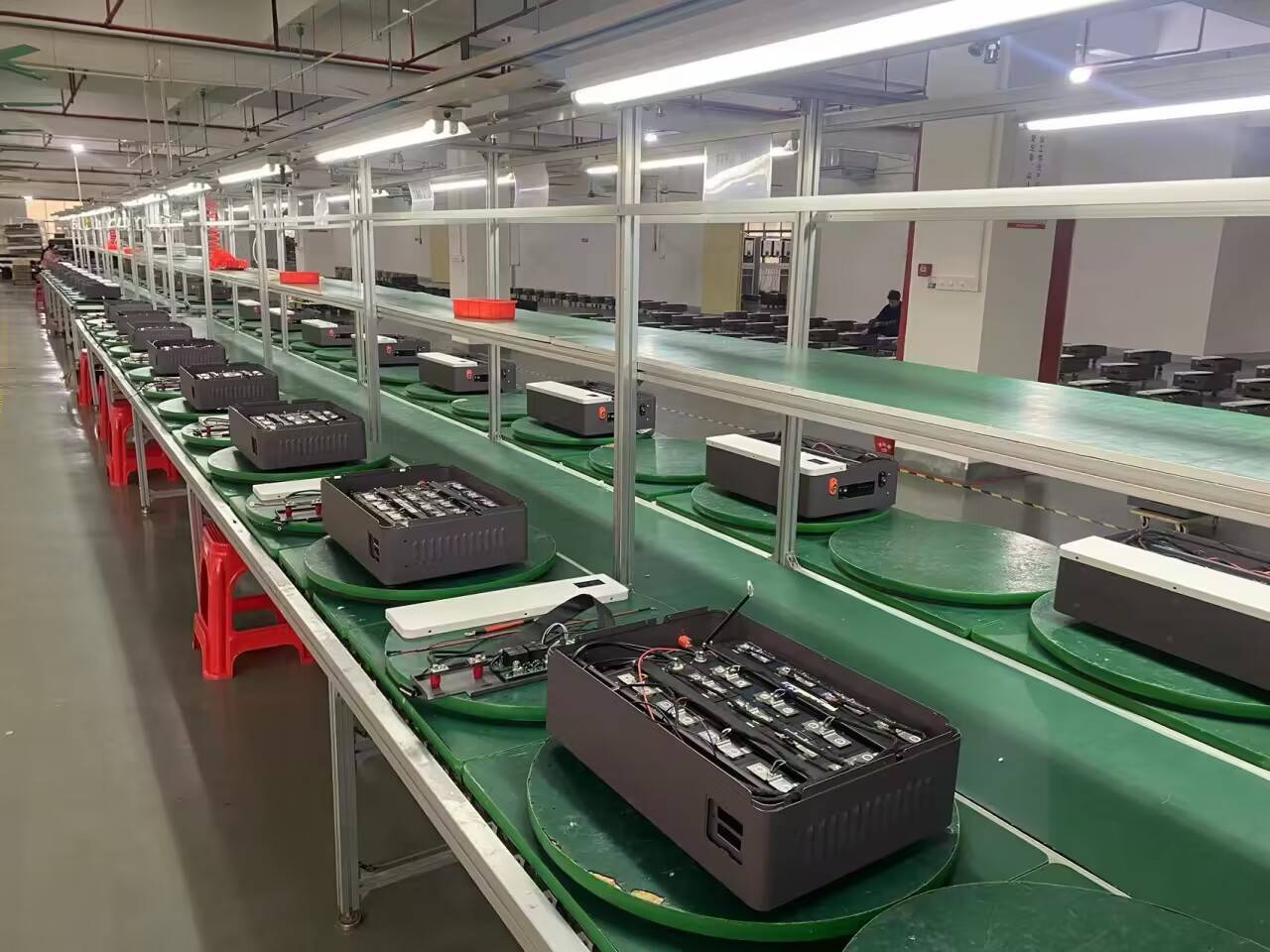
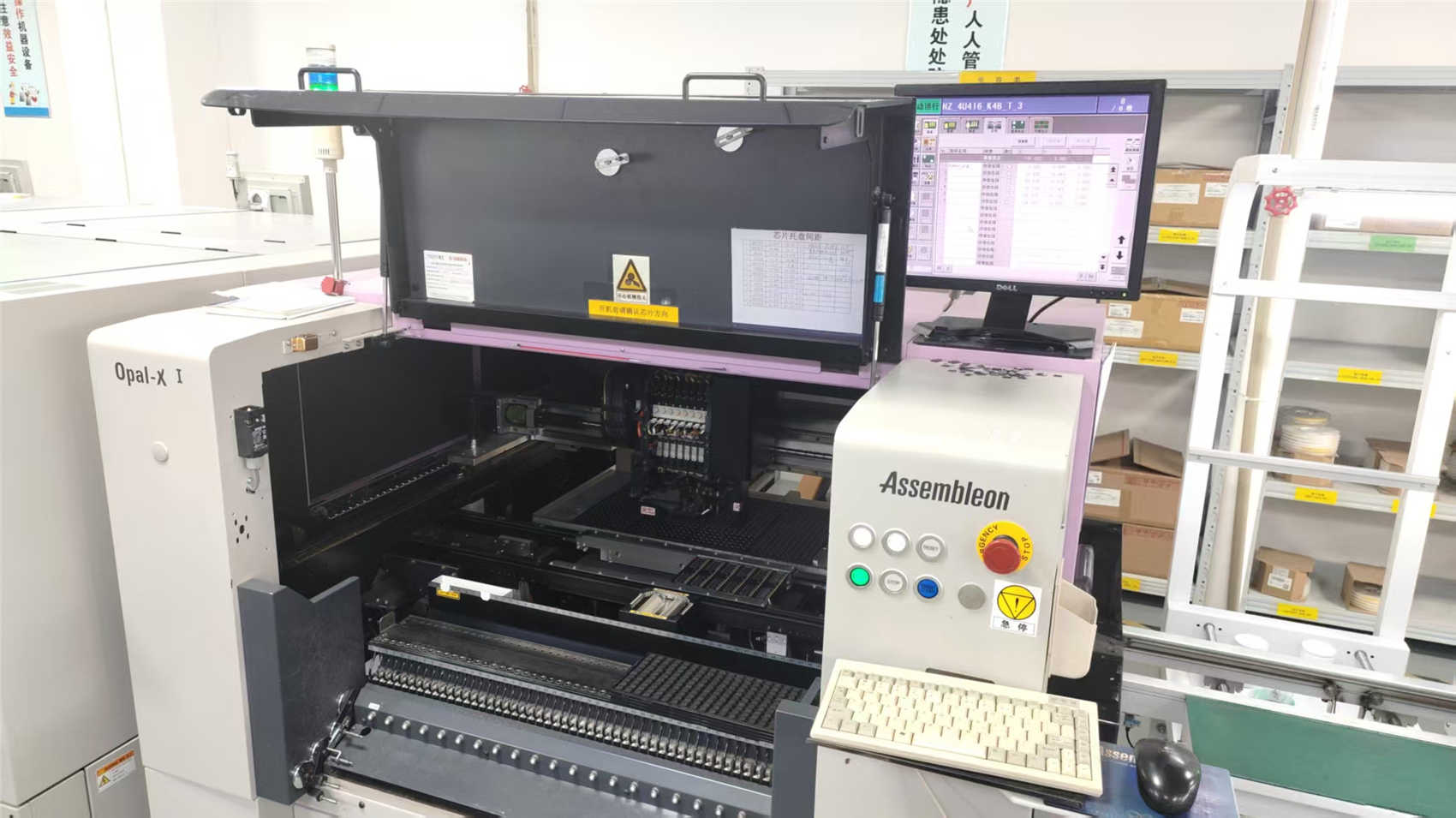
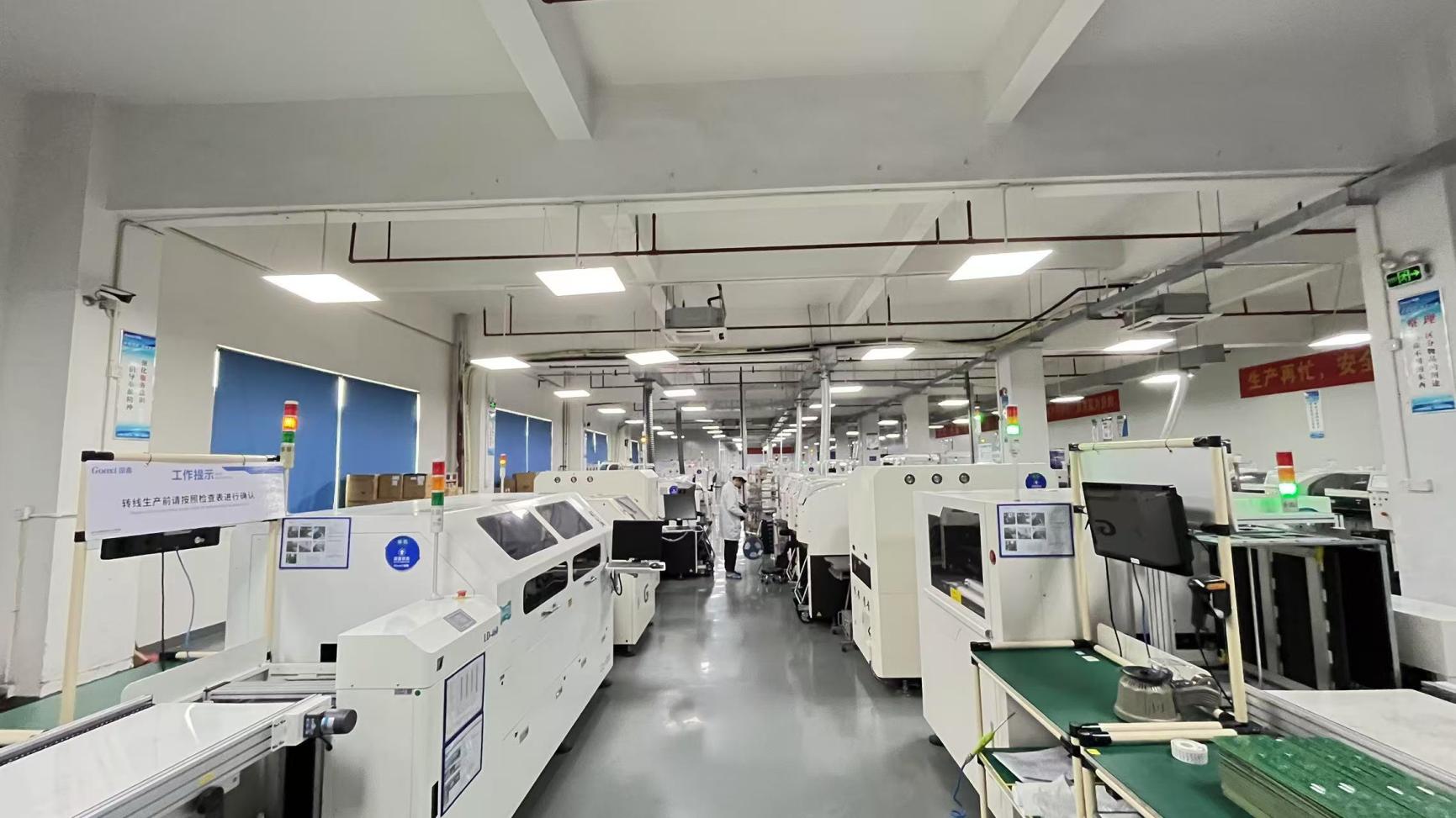
Inside our facility where we build, integrate, and test high-density computing systems.

Explore our range of rack servers, expansion modules, and high-speed switches for remote workspaces.