NexoraGPU
NexoraGPU
NexoraGPU
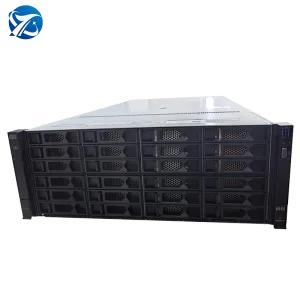
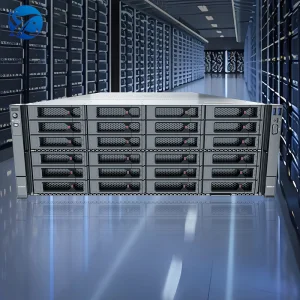
High-density computing arrays and storage nodes optimized for hybrid cloud deployments and intensive AI training pipelines
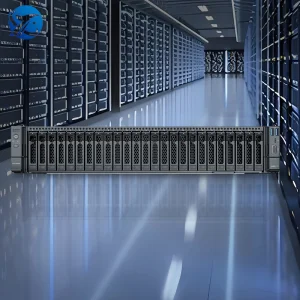
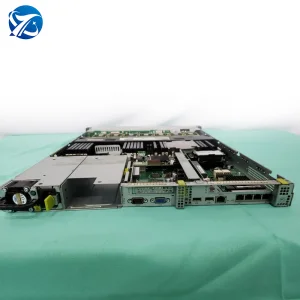
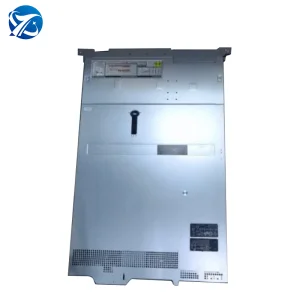
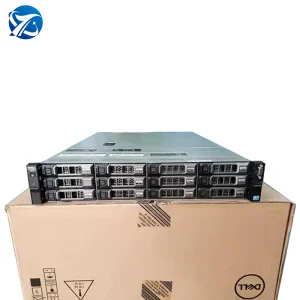
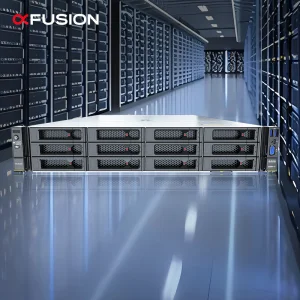
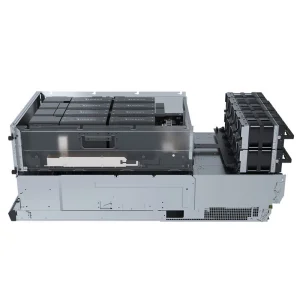
In the modern digital economy, enterprise-class data storage is no longer merely a repository for files. It has evolved into the foundational layer that determines the speed, security, and scalability of compute nodes, artificial intelligence models, and hybrid cloud fabrics. As a specialized engineering platform aligned with global standards, Nexora Intelligent Technology Co., Ltd. (operating under the NexoraGPU brand) develops hardware that bridges the gap between raw media capabilities and sophisticated operating environments, including direct integration compatibilities with the Huawei OceanStor and xFusion server portfolios.
Since our establishment in 2017, we have committed ourselves to resolving the primary bottlenecks of contemporary high-density storage: drive failure management, tail latency reduction, and multi-tenant NVMe fabric isolation. By utilizing strict design architectures and working alongside our expansive ecosystem of over 1,250 supply chain partners, we deliver custom-designed chassis, optimized cooling systems, and specialized firmware integration services. This comprehensive support empowers system integrators and global enterprises to deploy scalable architectures matching the strict performance parameters required by modern AI training suites like DeepSeek.
"Information Gain in enterprise storage relies on physical engineering resilience. At Nexora, we validate every storage subsystem with a dedicated team of 42 quality control experts, achieving zero-drift signal integrity across high-speed PCIe Gen 5 backplanes."
The trajectory of enterprise storage is shaped by the convergence of flash memory architecture, software-defined control planes, and intelligent data routing protocols. Aligning with Huawei's technology roadmap (such as the FlashLink® acceleration and SmartMatrix multi-controller symmetric active-active architecture), Nexora designs next-generation ODM platforms featuring:
We integrate hardware chassis layouts that support direct-connect topologies across up to 16 controllers, maintaining continuous data processing capabilities even during three-controller failure simulations. This architectural layout prevents split-brain syndrome and secures zero-RTO capabilities for critical applications.
Our updated platforms feature RoCEv2 (RDMA over Converged Ethernet) optimizations, achieving end-to-end latencies of less than 0.05 milliseconds. By bypassing traditional storage processor interrupts, high-performance servers fetch blocks directly from dedicated memory pools, improving processing speeds for deep learning pipelines.
By mapping device metrics to internal predictive analysis engines, Nexora designs custom BMC modules capable of anticipating SSD drive degradation. This proactive framework predicts drive wear-out indices up to 90 days in advance, preventing silent data corruption across large arrays.
Large Language Models (LLMs) such as DeepSeek R1 place unique demands on network storage infrastructures. During inference phases, high-throughput KV caching requires massive parallel read pipelines. Nexora's customized storage arrays address this by implementing unified high-performance NAS directories alongside direct GPU-to-Storage bypass lanes (GPUDirect Storage - GDS). This integration reduces host CPU interference, allowing direct loading of model weights from PCIe NVMe drives to active GPU HBM blocks.
Storage components require targeted optimizations based on their specific workload contexts. We customize our OEM/ODM products to align with the distinct operational and regulatory environments of various vertical industries:
In banking and transaction-processing systems, database consistency is paramount. Nexora's custom arrays deploy synchronized active-active replication models with zero-RPO data protection. We utilize high-density NVMe write-caches protected by supercapacitor backup power modules, ensuring all inflight data is securely flushed to non-volatile media during sudden power outages.
Medical diagnostic imaging systems require high storage capacity combined with rapid access rates for high-resolution images. Our enterprise-class NAS solutions utilize multi-tier storage setups, keeping recent patient records on fast NVMe drives while automatically moving older imaging studies to high-capacity SATA arrays. This approach optimizes performance while controlling overall system costs.
Industrial surveillance environments demand reliable write performance for continuous media ingestion. Our specialized storage arrays feature direct-to-drive raw video saving protocols, avoiding filesystem file allocation bottlenecks and eliminating drop-frame vulnerabilities. This allows our units to process hundreds of simultaneous Ultra-HD streams without degradation.
AI training clusters require rapid data delivery to prevent GPU starvation. By utilizing parallel file systems (such as Lustre or BeeGFS) running on our custom SSD arrays, we construct high-speed storage tiers capable of delivering multi-gigabyte bandwidth. This layout keeps AI compute clusters fully utilized during large-scale model training.
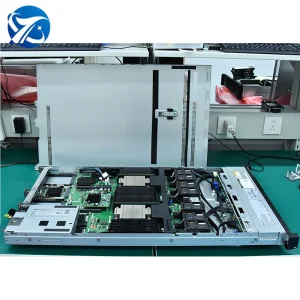
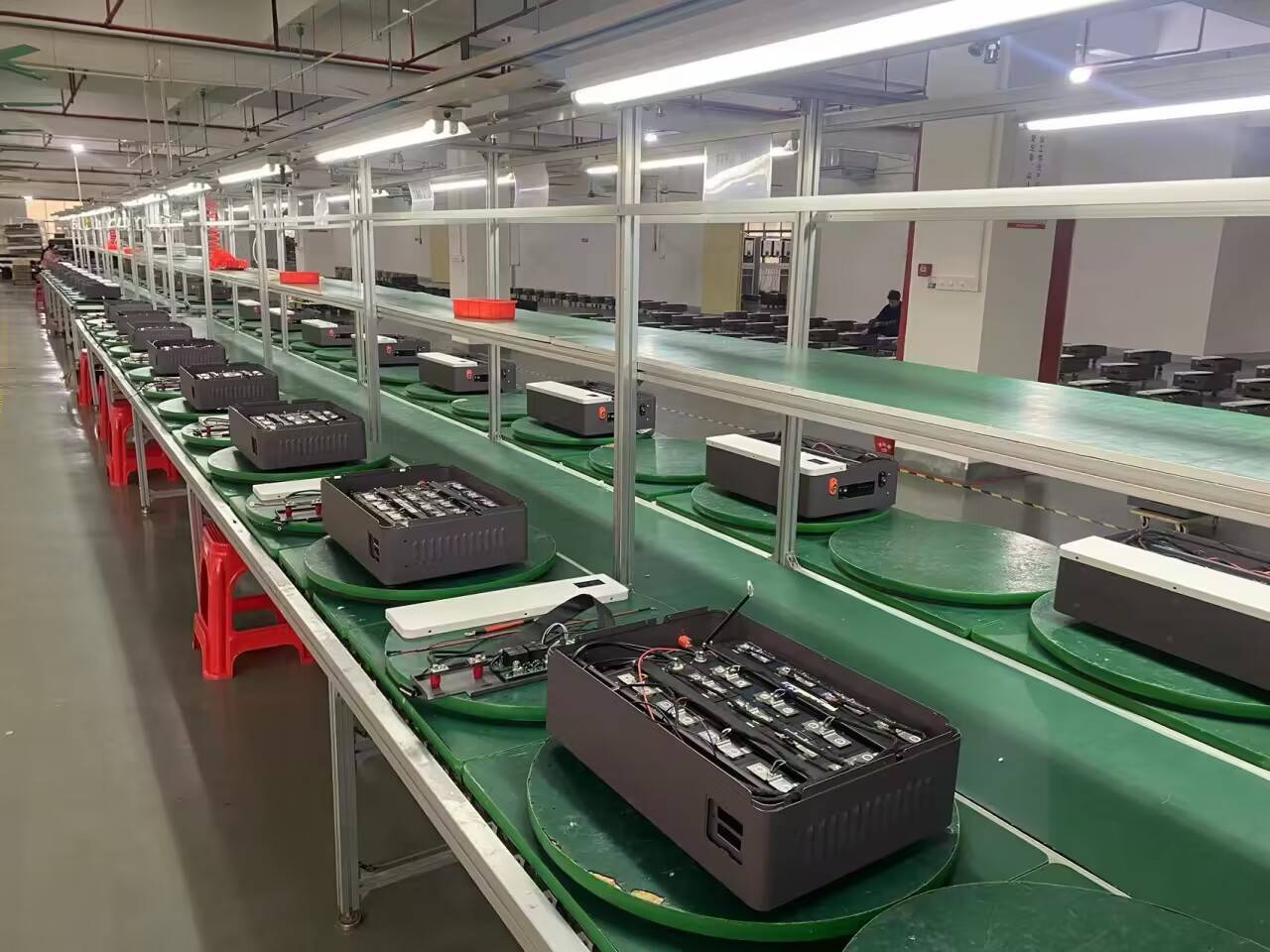
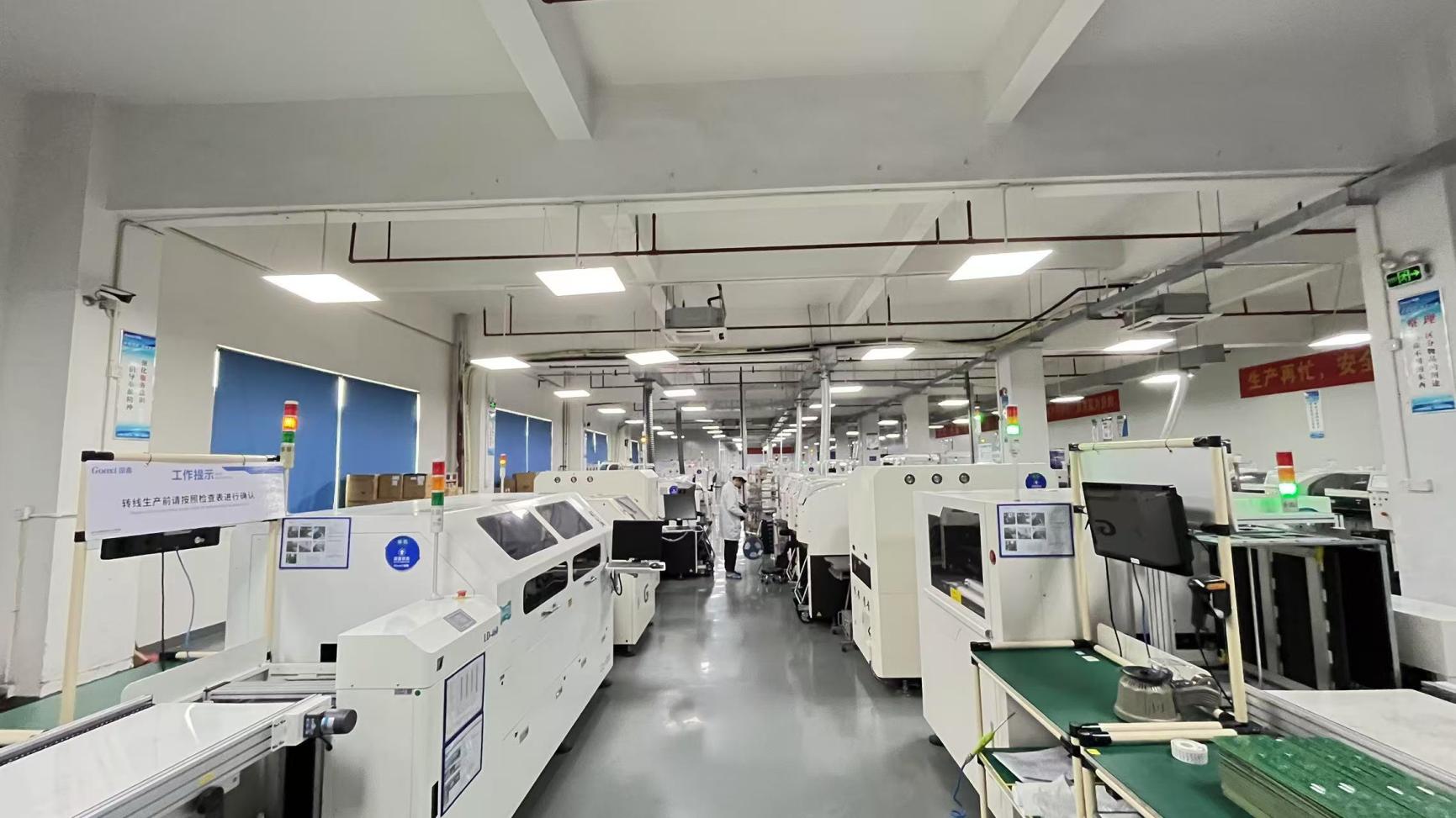
Nexora's manufacturing operations are based in a modern 386㎡ production facility. This dedicated environment functions as a precision assembly and quality verification center, backed by an ecosystem of over 1,250 upstream component suppliers. This integrated setup allows us to rapidly secure critical resources, including high-frequency PCB laminates and high-speed PCIe switches, mitigating supply chain bottlenecks for our partners.
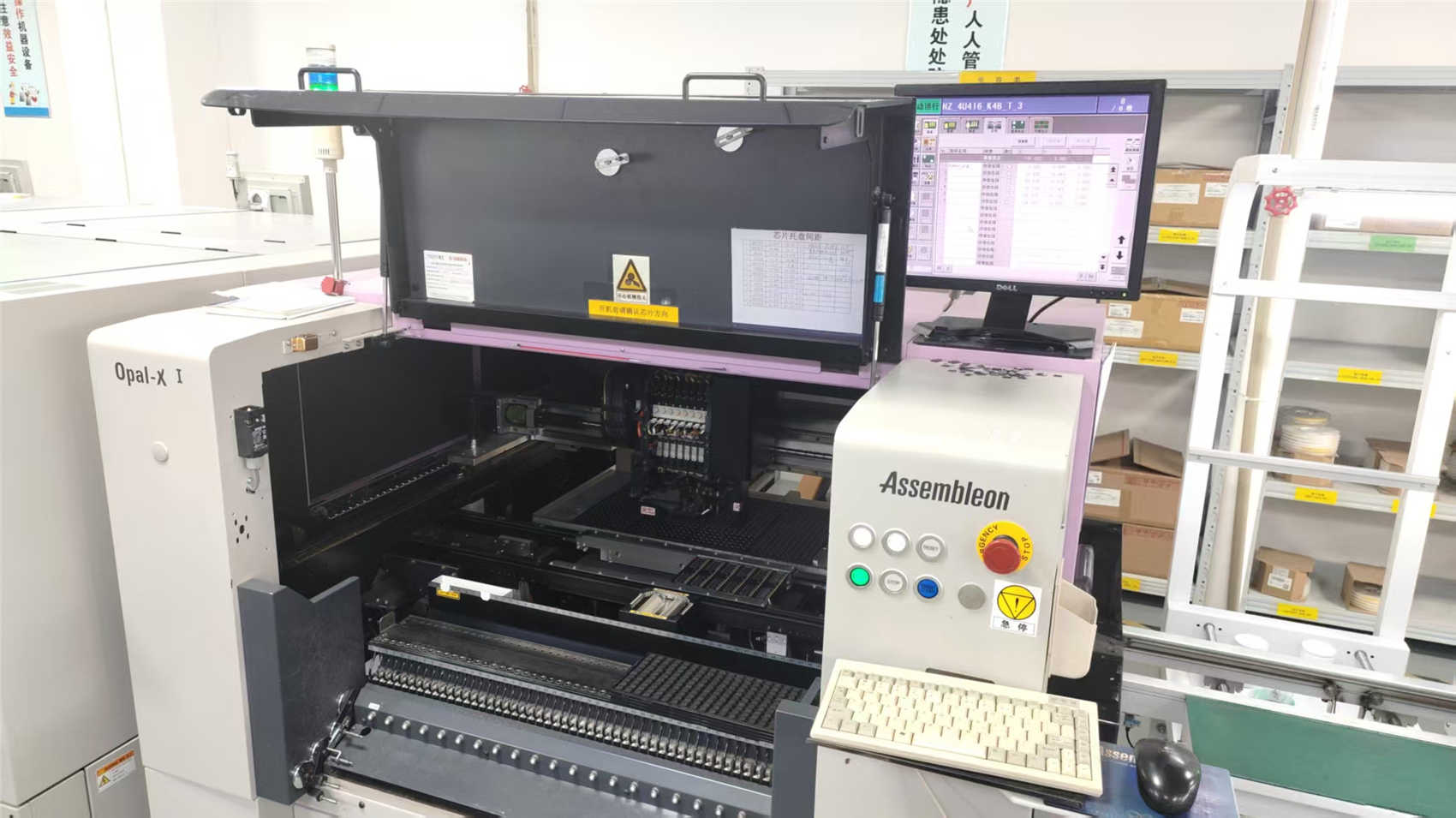
Our assembly processes feature multi-stage static discharge control and automated optical inspection systems (AOI) to verify component placement. This engineering control guarantees that complex interconnect lines, including critical PCIe 5.0 lanes, are routed without microscopic solder anomalies.
Our internal R&D division is staffed by 128 development engineers specializing in mechanical packaging, thermodynamics, and storage signal layout. This in-house engineering team allows us to design and iterate customized prototypes within tight development windows.
Quality management is overseen by 42 dedicated quality assurance technicians. Every storage and server node undergoes a comprehensive validation process, including high-temperature burn-in testing, load cycles, interface verification, and multi-day diagnostic reviews.
Enterprise purchasers require tailored systems that integrate smoothly into pre-existing data center ecosystems. Nexora accommodates these requirements through an array of customization options:
We provide custom chassis structural designs, including customized storage density options, depth modifications for short-rack installations, and specialized drive drawer assemblies. Clients can also specify front-panel branding, color accents, and connector placements to match their unified rack guidelines.
Our engineering team can compile customized BIOS and BMC firmware packages. This support includes adding custom brand logos, loading pre-defined IPMI settings, adjusting sensor temperature curves, and adding specific security key configurations to verify software updates.
Through our partner network, we can source and integrate specific hardware configurations, including high-capacity SAS/SATA drives, enterprise-class SSDs, specialized network interfaces, and cache components. This flexibility allows us to assemble hardware packages that match the exact workload targets of our clients.
Deploying data center hardware globally requires navigating diverse safety, emission, and environmental regulations. Nexora’s systems are designed and certified to meet the standards of major international jurisdictions:
Our hardware platforms carry essential global certifications, including CE, FCC, and RoHS. These certifications verify that our systems comply with standards regarding electromagnetic interference, safety, and the use of hazardous substances.
We design our platforms to comply with international environmental frameworks, including WEEE. Our focus on efficient power-delivery designs helps reduce operating costs and supports overall energy-efficiency initiatives.
With over 6 years of direct export experience and an annual export volume exceeding $18 million, we handle delivery processing to major destinations in North America, Europe, Southeast Asia, and the Middle East.
We provide customizable warranty models, including modular spare-parts supply lines, remote diagnostics, and support programs to keep your systems operational.
Technical answers regarding storage systems, OEM services, and hardware customization capabilities
Our hardware platforms are engineered to mirror standard BIOS/UEFI environments and storage controller behaviors. We conduct compatibility verification with target host bus adapters and storage management engines, verifying that status metrics, drive alerts, and configuration interfaces operate reliably.
We prioritize signal trace layout on our backplanes to maintain clean communication channels. By selecting high-quality components and routing drives through low-latency PCIe switches, we prevent signal degradation and queue delays, supporting consistent operation during high-throughput I/O cycles.
Yes, our design team can modify chassis dimensions, weight distribution, and cooling layouts to meet unique spatial limitations, including short-depth racks or industrial cabinets.
Typical prototype delivery ranges from 4 to 6 weeks, depending on the complexity of the custom modifications. Volume production runs are usually scheduled within 6 to 8 weeks, supported by our active supply chain and inventory agreements.
Every storage unit undergoes rigorous testing, including high-stress reading and writing cycles under elevated temperatures. We also verify the health of individual media modules, control boards, and power-backup mechanisms before final system approval.
Visualizing our precision manufacturing, cleanroom production, and assembly facilities

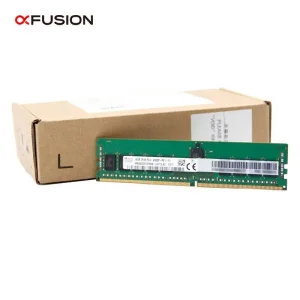
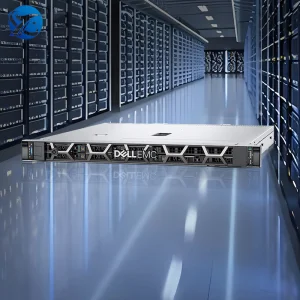
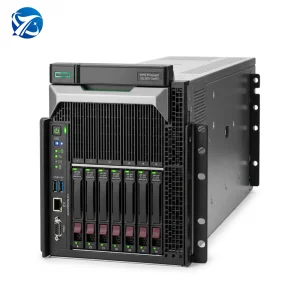
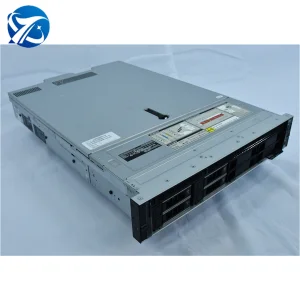
Customized storage systems, system memory, and compute solutions for modern data centers