NexoraGPU
NexoraGPU
NexoraGPU
Direct from our state-of-the-art AI architecture integration facility. Seamless OEM/ODM execution backed by rigid validation.
Analyzing the massive transformation of power systems inside global hyperscale and AI-oriented data centers.
In the contemporary digital economy, the rapid expansion of Artificial Intelligence (AI) algorithms, Deep Learning clusters, and high-performance computing (HPC) nodes has shifted the bottleneck of system scaling from pure processor metrics to power grid density and thermal constraints. Modern Power Supply Units (PSUs) are no longer simple current-converting peripherals; they are highly complex, digitally telemetry-driven power management systems. Globally, the server PSU industry has entered a critical phase of structural transformation, dictated by high thermal limits, dynamic load fluctuations, and environmental regulations such as the European Union’s ErP Lot 9 requirements.
High-density GPU architectures require immense amounts of electrical current under transient load conditions. During large-scale LLM training steps (such as DeepSeek-R1 or GPT-4 classes), a server node housing multiple computing accelerators can surge from an idle state of 300 watts to over 3,000 watts within milliseconds. This sudden rate of change (di/dt) demands that Power Supply Units offer incredibly robust transient response capabilities and broad input voltage stability thresholds. OEM/ODM power supply factories are centralizing production around the Common Redundant Power Supply (CRPS) standard, which enables multi-PSU hot-swapping and uniform form factors to simplify enterprise system layouts.
"The shift toward GPU-centric computing environments has caused a fundamental transformation in standard PSU layout metrics. System designers must now resolve thermal density and dynamic transient responses to maintain continuous operational uptime under fluctuating computational loads."
From a global supply chain perspective, the manufacturing of high-reliability server power systems is intensely localized within advanced electronic engineering corridors. The transition from legacy silicon-based power components to wide-bandgap (WBG) semiconductors—namely Gallium Nitride (GaN) and Silicon Carbide (SiC)—has allowed manufacturers to achieve power densities exceeding 80 Watts per cubic inch. This technical evolution allows data center operators to conserve valuable rack space, converting what was once raw physical volume occupied by power infrastructure directly into compute density.
Our operational capabilities, supply chain infrastructure, and engineering metrics in server technology integration.
Nexora Intelligent Technology Co., Ltd. (NexoraGPU) leverages its deep expertise in high-performance GPU servers, storage arrays, and custom power system architectures. Supported by a rigorous quality department of 42 QC professionals and a streamlined 386㎡ testing and integration facility, we deliver high-reliability server deployment designs across North America, Europe, and Asia.
The state of engineering for server power supplies: efficiency, telemetry, and materials.
Targeting up to 96% energy conversion at 50% load. Reducing thermal dissipation, scaling down auxiliary cooling demands, and minimizing Total Cost of Ownership (TCO) across hyperscale topologies.
Real-time system health and load monitoring via PMBus 1.3 over I2C/SMBus. Integrating automated firmware loops to report voltages, thermal thresholds, and duty cycle transients directly to BMC modules.
Utilizing Gallium Nitride and Silicon Carbide switching systems to operate at significantly higher frequencies. Shrinking passive component footprints and boosting system power density thresholds.
How Nexora resolves power infrastructure demands across distinct industrial verticals.
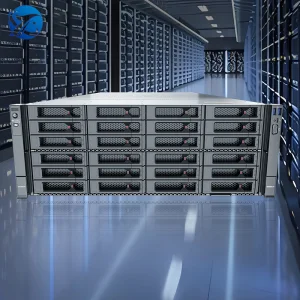
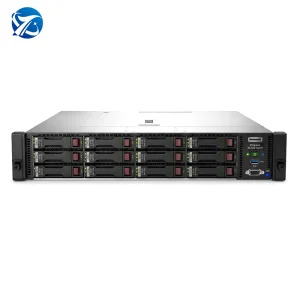
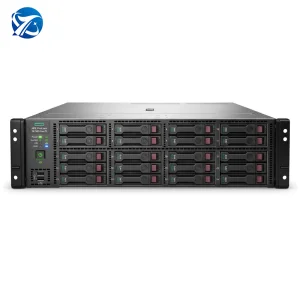
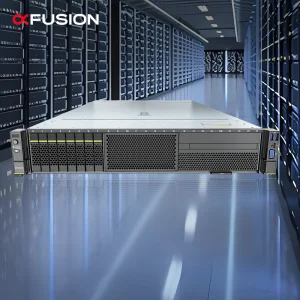
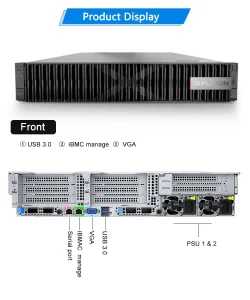
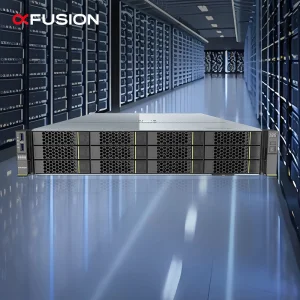
In AI supercomputing applications utilizing clusters of GPU servers (such as the FusionServer 5288 V7 or HPE ProLiant Gen12 models), power supplies must operate in balanced N+N or N+1 redundant modes. To keep high-capacity silicon active, these environments deploy smart dynamic power allocation. During compute cycles, the systems run near capacity. Our structural chassis architectures support multiple CRPS power supplies configured in automated phase-shedding configurations, maintaining maximum efficiency even under light load steps.
Edge nodes and remote AI installations often require localized systems with wide-temperature operational thresholds. Industrial-grade computing demands custom power supply envelopes capable of withstanding voltage surges, line fluctuations, and dusty or humid operational environments. The integration of conformal coating on internal PSU circuits combined with intelligent fan speed profiles ensures stable execution over 50,000 hours of operations (MTBF).
For cloud storage networks and high-density virtualization centers, power efficiency scales directly to profitability. Leveraging Titanium-grade architectures reduces cooling demands inside the server racks. Furthermore, our systems feature active power factor correction (PFC) exceeding 0.98, shielding the local utility grid from unwanted harmonic distortions.
| PSU Efficiency Class | 10% Load Efficiency | 20% Load Efficiency | 50% Load Efficiency | 100% Load Efficiency | Key Application Focus |
|---|---|---|---|---|---|
| 80 PLUS Titanium | 90% Min | 94% Min | 96% Min | 91% Min | AI Superclusters, Deep Learning Nodes, LLM Training |
| 80 PLUS Platinum | N/A | 90% Min | 94% Min | 91% Min | Standard Enterprise Storage, Virtualization, Web Servers |
| 80 PLUS Gold | N/A | 88% Min | 92% Min | 88% Min | Edge Compute, Telecommunication Nodes, General Computing |
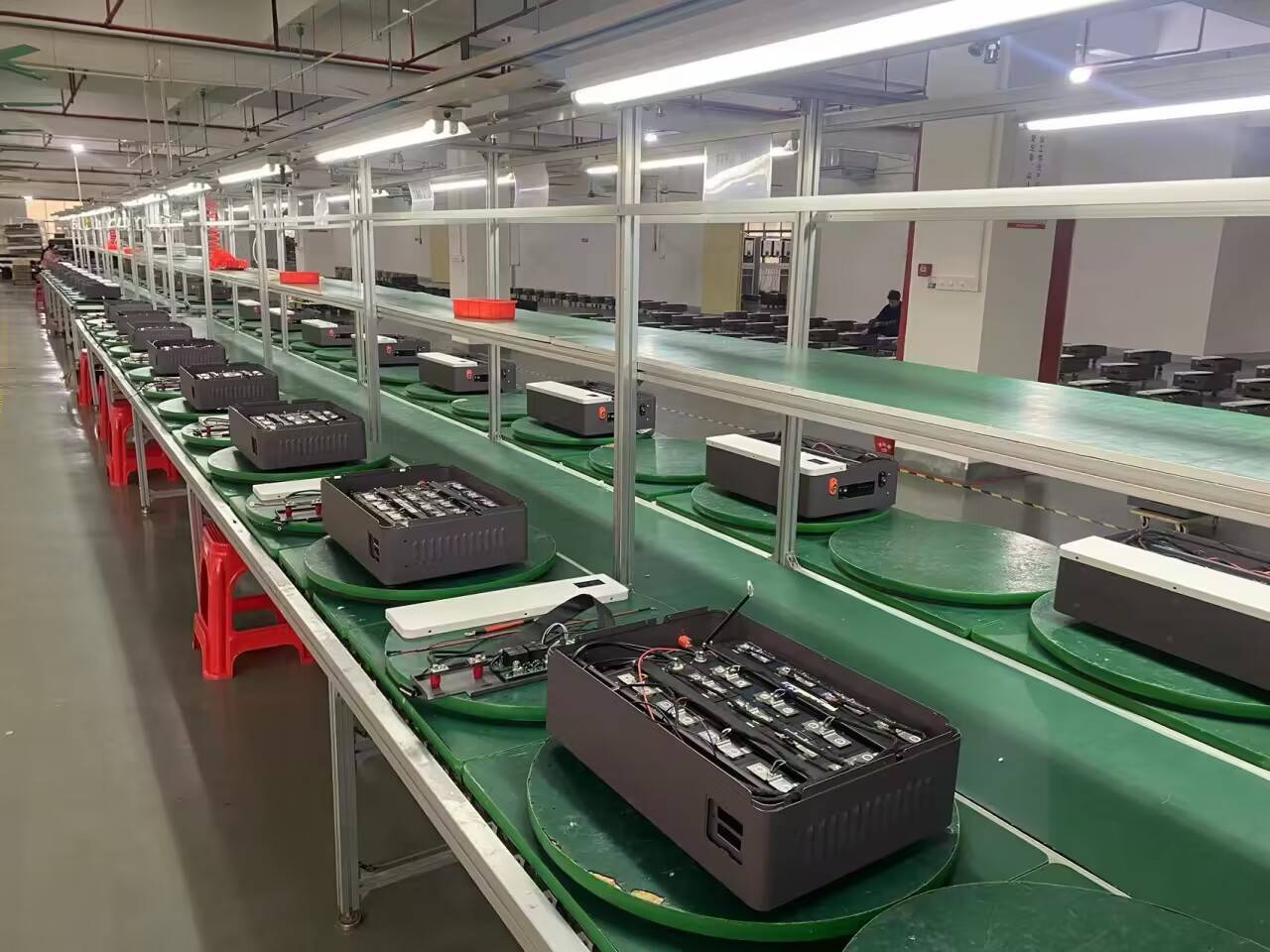
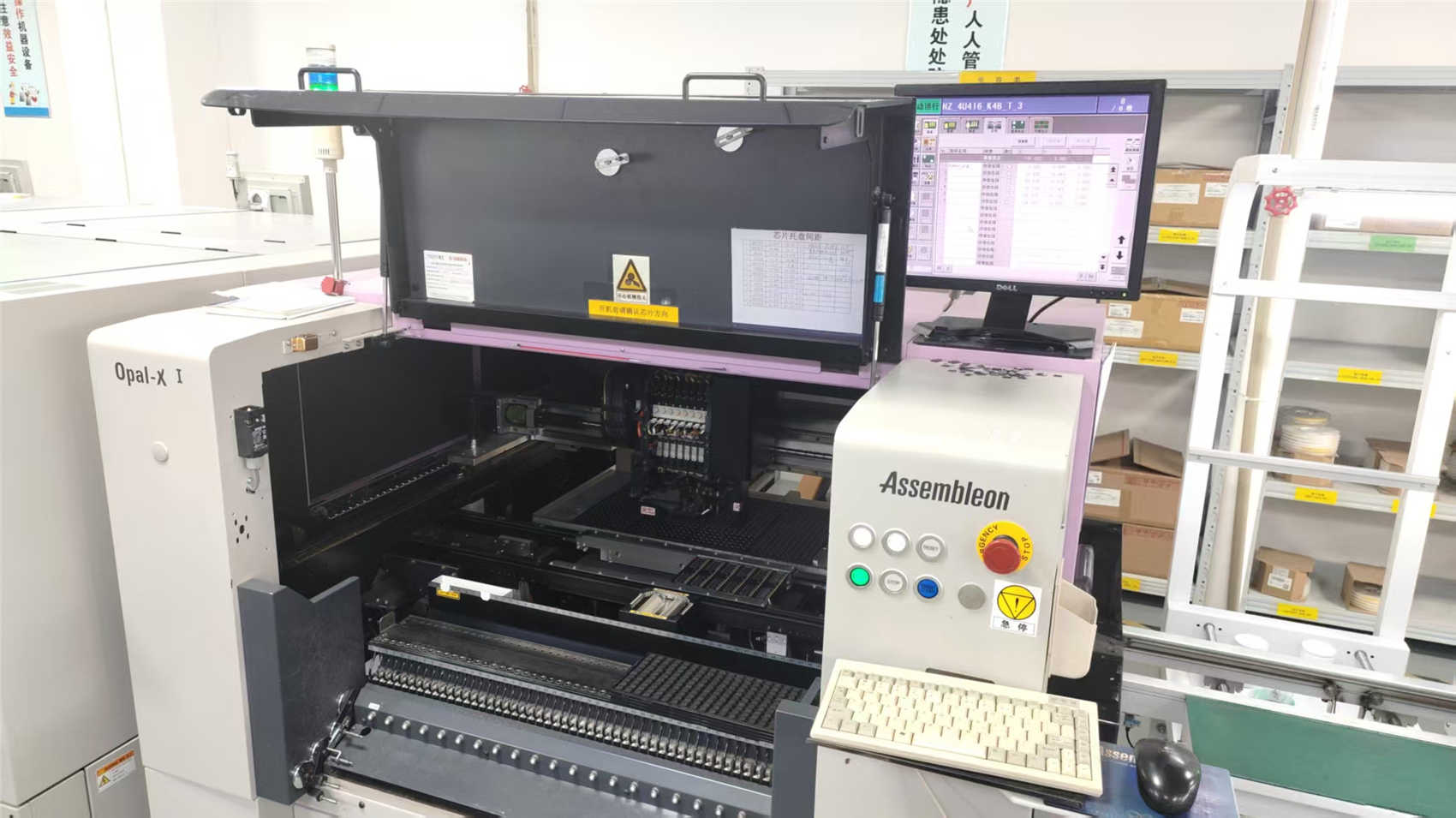
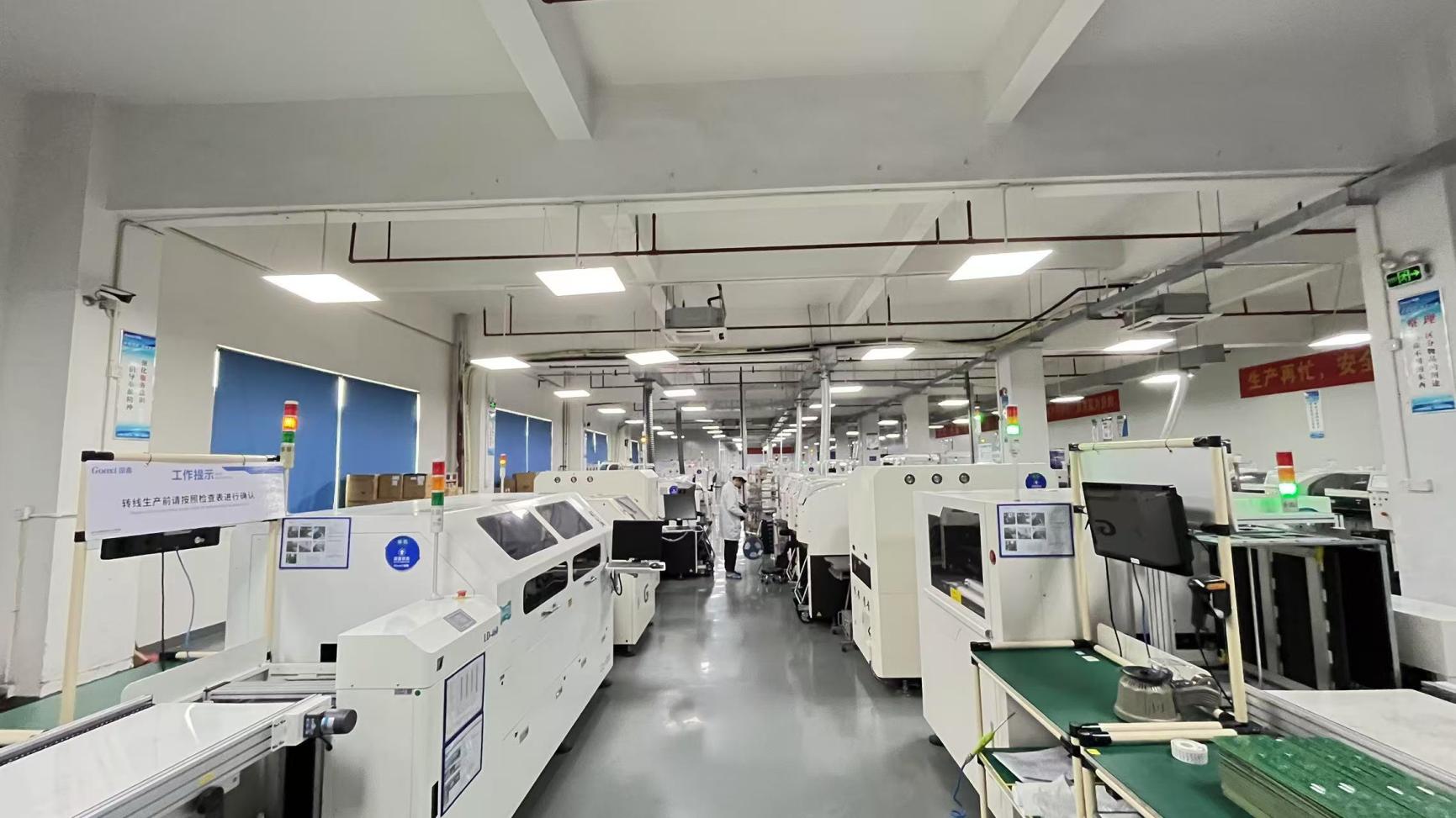
A look into our QC laboratories, high-pot testing, burn-in processes, and system integration lines.
At Nexora Intelligent Technology Co., Ltd. (NexoraGPU), quality control is integrated into every step of our manufacturing pipeline. Our facility houses 42 dedicated quality control inspectors who coordinate a strict testing suite: component incoming inspection (IQC), in-process quality testing (IPQC), and finished system validation (FQC). Prior to shipping, every GPU server and integrated power supply system undergoes comprehensive 100% high-temperature aging cycles under full operational load to weed out infant mortality anomalies in the silicon components.

Critical engineering considerations, OEM/ODM processes, and compliance protocols for international buyers.
Complete your deployment with our high-density server configurations, components, and accelerators.