NexoraGPU
NexoraGPU
NexoraGPU
Explore our flagship lineup of GPU-optimized computing hardware, enterprise NAS storage systems, and virtualization workhorses deployed across global Tier-1 cloud environments.
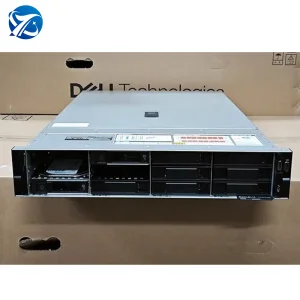
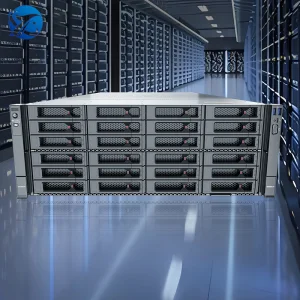
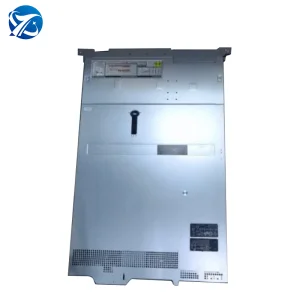
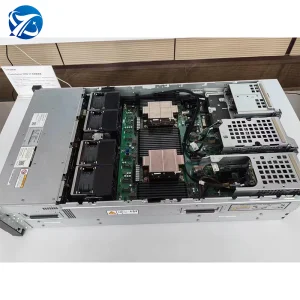
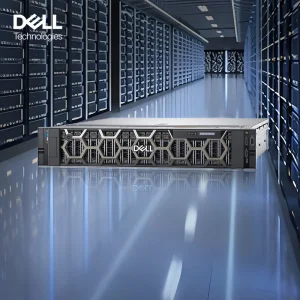
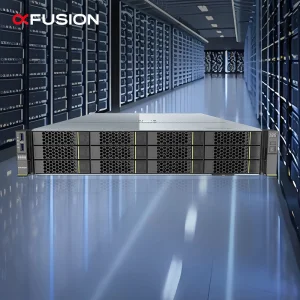
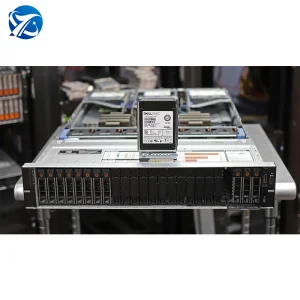
Within the topography of modern hyperscale data environments, the server rack is no longer regarded as mere passive structural steel. Today, it operates as a tightly integrated thermodynamic and electrical micro-system. The transition to V5 and V7 computing nodes represents a watershed milestone in data center engineering. Driven by the computational densities demanded by generative AI, LLM training paradigms, and DeepSeek model executions, structural optimization is critical.
Traditional legacy server rack deployments struggled to manage architectural issues including structural chassis deflection under excessive weight, localized thermal pockets, and sub-optimal busbar distribution. Nexora Intelligent Technology’s V5 Rack Innovations address these limitations directly by restructuring high-density computer enclosures, delivering enhanced static weight capabilities, micro-managed cooling paths, and smart power integration paths.
As computing components demand higher energy allocations—with modern high-end accelerators drawing in excess of 700W to 1000W per module—power delivery must evolve. V5 Rack architectures decouple heavy component weights from standard mounting shelves, utilizing slide-rail assemblies designed for rapid maintenance cycles. They also integrate targeted physical air separation mechanisms, ensuring cold aisle input air travels directly over the primary CPU/GPU heat sinks, preventing thermal bypass loops.
Furthermore, standardizing on V5 interfaces allows operators to execute modular configurations, swapping from storage-intensive arrays to multi-GPU arrays with minimal structural alterations, lowering operating costs and deployment timelines.
Global cloud infrastructure managers, national laboratory networks, and enterprise system integrators face multi-faceted challenges when executing mass system procurements.
With compute clusters operating at densities exceeding 40kW per rack, standard air cooling systems can fail. Procurement demands have shifted toward custom airflow manifolds, liquid-to-air cooling loops, and high-conductivity copper busbars. V5 rack integration incorporates customizable liquid cooling pathways, ensuring high thermal performance and low power usage effectiveness (PUE) metrics.
Off-the-shelf servers often fail to meet the tight space and layout constraints of custom data centers. Enterprise procurement requires flexibility in physical layout: custom mounting depths, modular drive cages (combining NVMe SSDs and SAS/SATA drives), custom branding, and localized firmware (such as custom UEFI/BMC configurations) to ensure secure, compatible network handshakes.
Large-scale system rollouts are complicated by strict regional compliance and hardware safety standards. Hardware deployments must conform to directives including CE, FCC, RoHS, and UL. Enterprise procurement strategies favor suppliers that provide verified global customs support and pre-integrated structural configurations (such as L10/L11 server racks ready for power connection).
Established in 2017, Nexora Intelligent Technology Co., Ltd. (branded globally as NexoraGPU) has built a solid position as a manufacturer specializing in high-performance GPU servers, AI compute systems, HPC clusters, high-density storage servers, and customizable data center layouts. Based in our specialized production center covering 386㎡ of high-precision assembly workspace, we develop scalable and reliable systems for enterprise clients, AI research labs, universities, and public cloud systems.
Combining 9 years of hardware industry experience and 6 years of global export management, NexoraGPU serves clients in North America, Europe, Southeast Asia, the Middle East, and South America, driving an annual export value exceeding US$18 million.
To ensure high quality across production runs, we employ 42 dedicated Quality Control (QC) specialists. Our verification process features strict phase-gate testing, including incoming component validation, continuous power burn-in, thermal stress testing under simulated loads, power supply stability checks, and full system benchmarks before packaging. Our quality processes cover 100% of functional operations, ensuring high reliability in high-uptime environments.
NexoraGPU operates as a direct-export OEM & ODM manufacturer supported by a partner network of over 1,250 supply chain suppliers. This network enables us to secure premium components, manage lead times, and maintain manufacturing consistency even during supply constraints.
Our research and engineering initiatives are led by an in-house R&D group of 128 system engineers. They cover server hardware architecture, thermal dynamics, structural engineering, and low-level firmware optimization. We provide deep hardware customization, including PCIe configuration, custom GPU layouts, storage system design, high-speed network integration, custom branding, and cabinet-level setup.
Demonstrating our design speed, we brought 86 new product designs to market last year. These designs include multi-GPU servers, deep learning workstations, edge compute enclosures, and high-density storage platforms. Our continuous R&D investment helps us deliver solutions that meet the needs of deep learning, AI inference, and hybrid cloud applications.
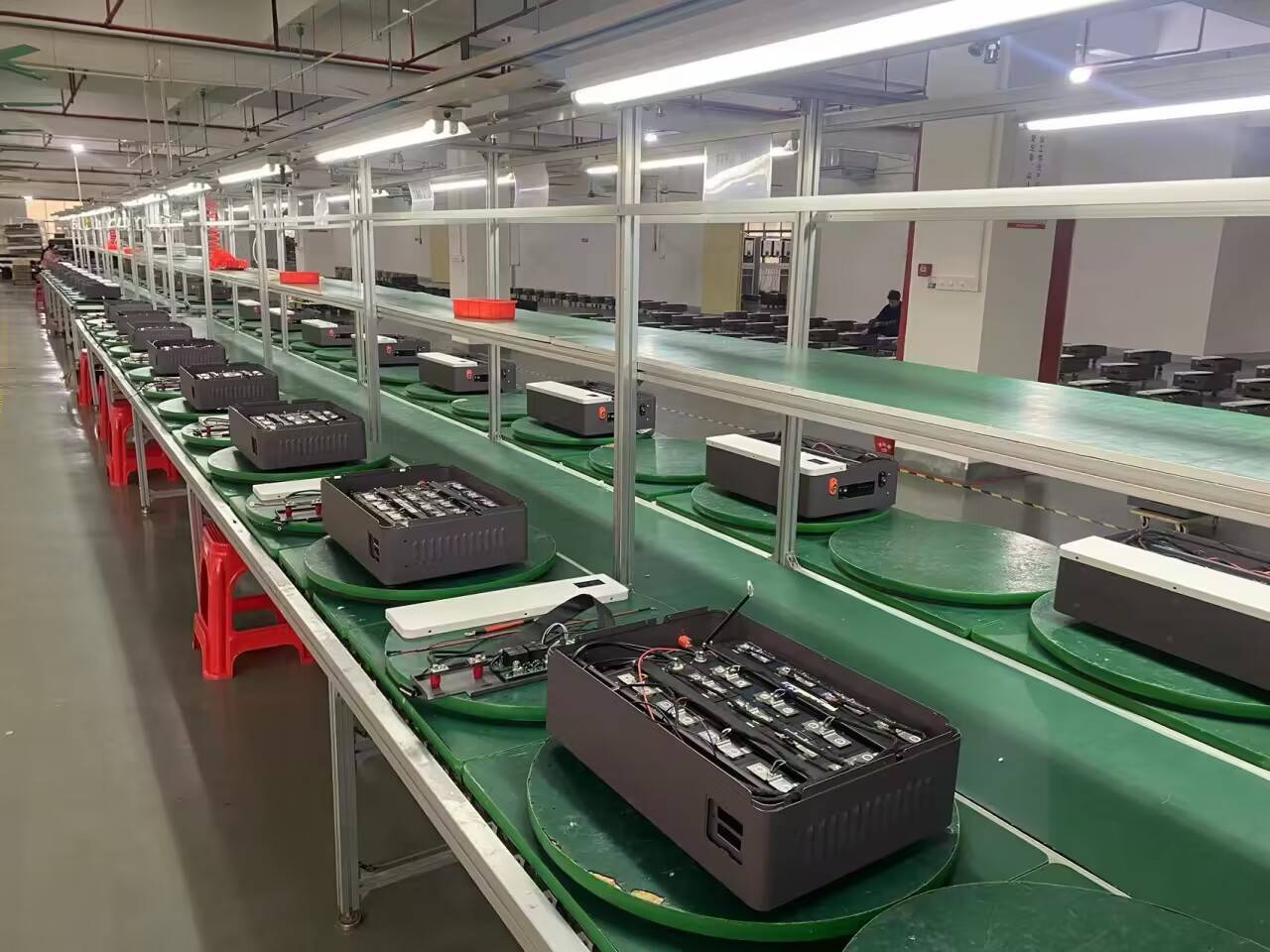

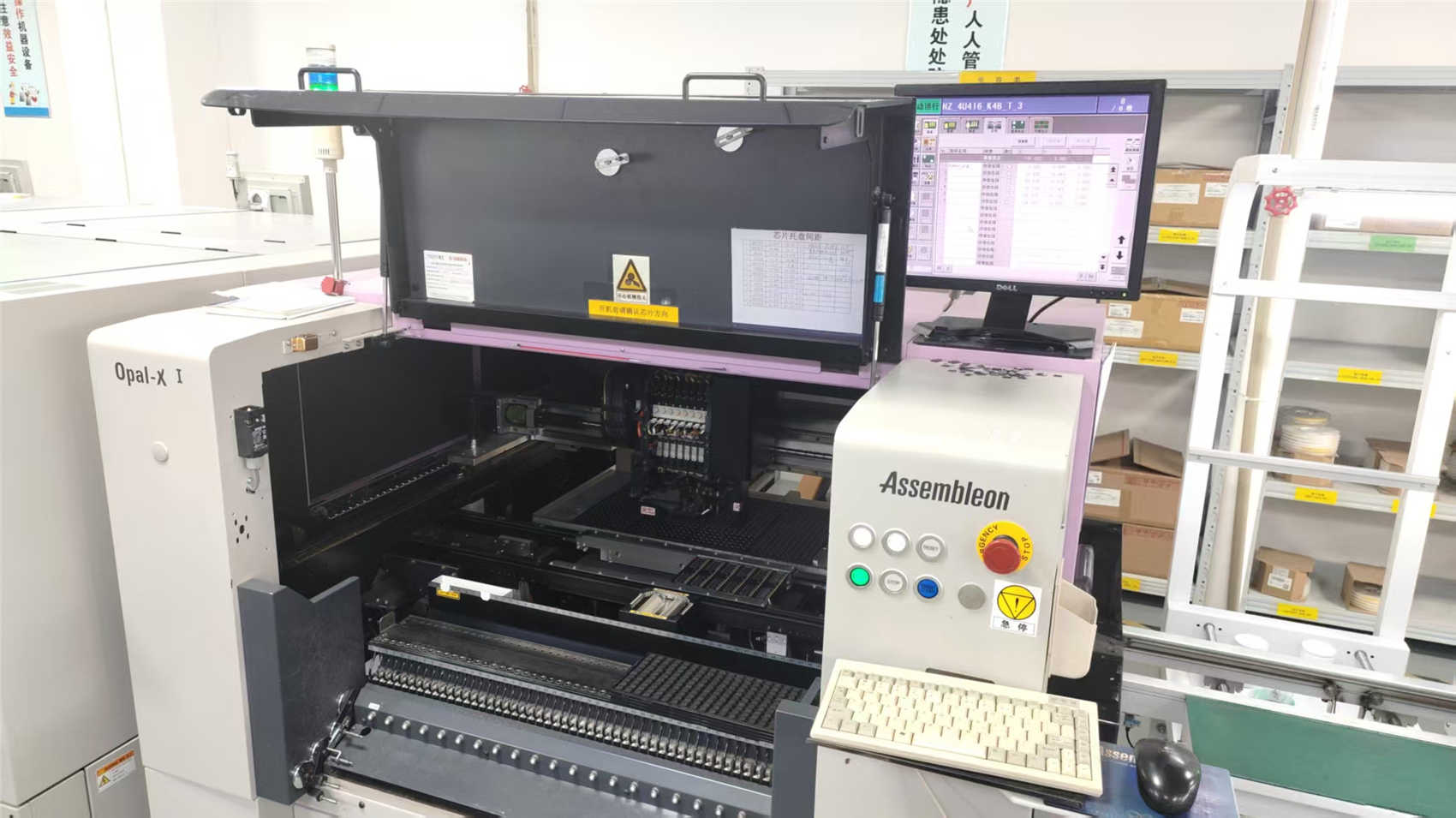
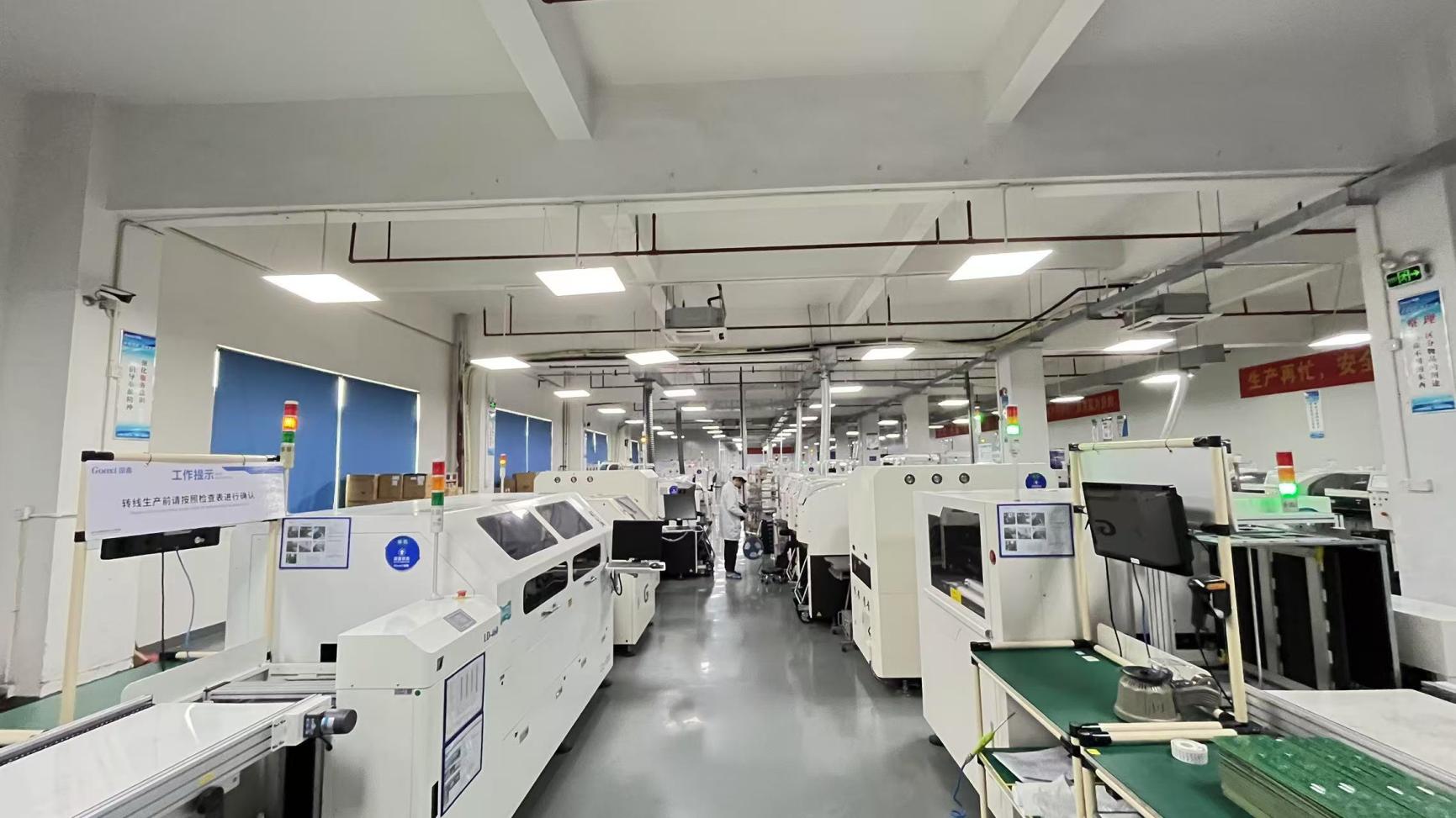
We design hardware solutions built for specific application workloads. Our configurations are optimized to deliver stable compute throughput, reliable network connectivity, and efficient power usage.
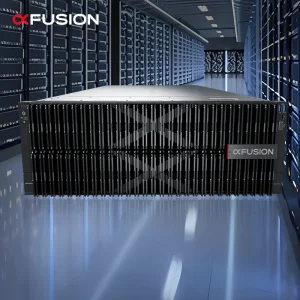
For training large language models (such as DeepSeek R1 architectures), we offer custom 4U and 8U multi-GPU servers. These configurations support up to 8 dual-slot GPU accelerators linked via high-speed interconnect fabric, dual AMD EPYC or Intel Xeon scalable processors, and up to 8TB of system memory. They feature redundant 2000W-3200W Titanium-grade power supplies to handle high compute loads without performance throttling.
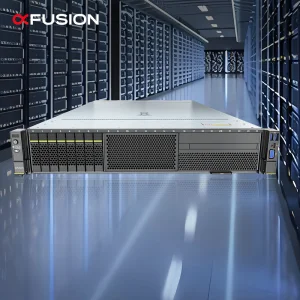
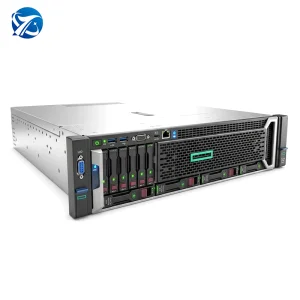
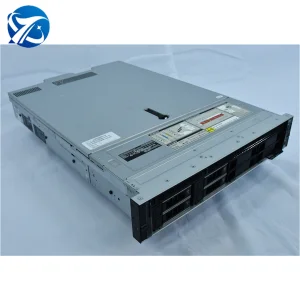
For private cloud storage and database applications, we configure 2U, two-socket platforms (such as the FusionServer 2288H or PowerEdge R760 series) with flexible front bays. These servers support up to 24 U.2/U.3 NVMe SSD drives, high-speed SAS storage, integrated RAID controllers, and dual 10GbE/25GbE network connections to provide clean storage access and minimal network latency.
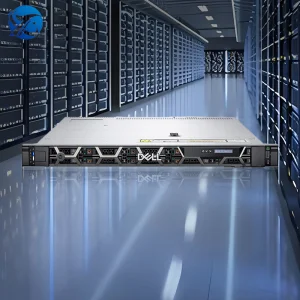
For smart city systems, localized manufacturing inspection, and distributed inferencing, we build short-depth 1U/2U server chassis. These systems fit into shallow cabinets while supporting enterprise-class processors, PCIe expansion options for edge accelerators, and ruggedized power connections to operate reliably outside of standard data centers.
As server power requirements increase and processor speeds rise, NexoraGPU's engineering team maintains a structured roadmap focused on next-generation computing architectures.
Current system deployments leverage PCIe Gen 5 architectures, enabling up to 128 GB/s bandwidth per x16 slot. Our engineering team is currently testing PCIe Gen 6 system layouts. These structures use PAM4 signaling to double output speeds, meeting the data throughput requirements of dense GPU clusters.
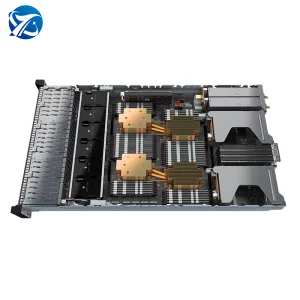
As processor thermal design power (TDP) moves beyond 500W for CPUs and 1000W for GPUs, air cooling reaches its limits. NexoraGPU is designing modular, direct-to-chip liquid cooling plates. These systems integrate directly into our V5 and V7 server families, allowing data centers to transition to liquid loop systems without replacing their entire rack layouts.
Future V5 systems will feature integrated monitoring modules built directly into the server backplane. These controllers will track inlet/outlet temperatures, shelf weight distribution, power usage per node, and vibration levels in real time, alerting data center operators before hardware failures occur.
Deploying servers globally requires navigating different regional certifications, import processes, and logistical setups. NexoraGPU supports clients throughout the deployment cycle. All hardware systems ship with documentation certifying compliance with major standards, including CE, FCC, RoHS, and UL, ensuring smooth customs processing and installation approval.
To support global deployments, we provide localized warranty options, spare parts storage near major tech centers, and engineering support via remote diagnostics and on-site assistance. If a component fails, replacement parts (such as power supplies, fans, or drive modules) can be shipped quickly to keep customer operations running smoothly.
Our logistical capabilities cover different assembly levels: from L6 component supply (motherboards, barebones enclosures, custom heatsinks) to L10/L11 integrated solutions (fully populated systems tested with operating systems, network settings, and custom security layers). We also offer shock-absorbing crates for safe transit, ensuring servers arrive fully functional and ready for mounting.
Detailed answers to common technical, mechanical, and logistical questions regarding server customization, deployment, and operation.
A: DeepSeek R1 and similar LLM architectures require high memory bandwidth and fast inter-GPU communication to handle large parameter sizes. Our custom server integrations support multi-GPU setups using PCIe Gen 5 interconnects, which provide high bandwidth between cards. Additionally, we populate nodes with high-speed DDR5 memory (up to 64GB or 128GB per channel) to prevent bottlenecking during complex calculations, keeping processing units active.
A: Yes, we provide complete OEM/ODM customization. This includes custom-colored front bezels, pad-printed brand logos, customized drive cages, tailored BIOS/UEFI boot images, and custom BMC interfaces. Our structural engineers can modify chassis mounting depths to fit non-standard server rack environments, ensuring the hardware matches our partners' branding and deployment needs.
A: We address thermal management using three main methods: First, we install high-performance, pulse-width-modulated (PWM) cooling fans that adjust speed based on internal temperature sensors. Second, we use custom-engineered airflow baffles to direct fresh air over critical hot spots. Third, we offer direct-to-chip liquid cooling blocks for high-TDP processor setups, transferring heat directly out of the chassis to maintain stable operating temperatures.
A: Our 42 QC specialists execute a strict verification pipeline. Every server undergoes a 100% functional diagnostic test, a 24-to-48 hour thermal chamber burn-in, voltage margin testing to ensure power stability, and real-world software benchmarking. This process helps us identify and replace components with manufacturing defects before they ship to customers.
A: We configure our servers with hot-swappable, N+1 redundant power supplies (often rated Platinum or Titanium, 80 PLUS certified) with capacities from 1600W to 3200W. If one power unit fails, the remaining unit immediately handles the load without system interruption. The systems also support dynamic phase control, optimizing efficiency under lighter computing loads.
Explore our additional server options, high-density storage arrays, and enterprise network platforms built for modern workloads.