NexoraGPU
NexoraGPU
NexoraGPU
Enterprise-grade high-performance compute nodes from leading global exporters
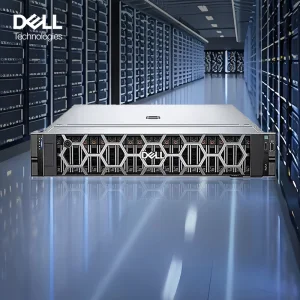
In the era of hyper-scale artificial intelligence, LLM training (such as DeepSeek models), and complex cloud analytics, infrastructure reliability is paramount. Global enterprises seeking Dell PowerEdge platforms or high-performance equivalents need to understand the structural dynamics of the manufacturing plants and export centers that build these mission-critical systems.
The manufacturing of advanced servers is no longer a simple assembly line. It is a highly integrated, high-precision technical ecosystem requiring compliance with strict regional regulations, thermal dynamics management, and secure supply chains. As global companies plan their high-performance computing (HPC) clusters or AI inference pipelines, choosing the right source factory and exporting partner defines the long-term total cost of ownership (TCO) and deployment schedules.
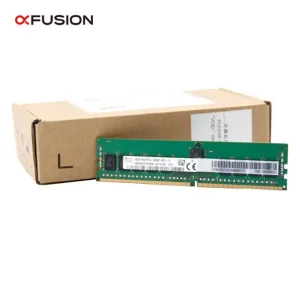
Dell's manufacturing network is strategically split across own-facility operations, Original Design Manufacturer (ODM) partners, and dedicated integration ecosystems that tailor architectures to specific cloud footprints. For procurement teams, evaluating factories goes beyond nameplates; it requires examining manufacturing capabilities, local component integration (such as DDR5 ECC memory matrices), testing procedures, and global export certification.
Understanding the geographical distribution of Dell's primary production and assembly plants is critical for managing supply chain logistics, customs duties, and localized configurations. Below is an analytical review of the primary facilities that manufacture and export enterprise-grade rack and blade platforms globally.
| Hub / Factory Location | Primary Production Profile | Export Focus Area | Key Strengths & Quality Certifications |
|---|---|---|---|
| 1. Chengdu ODM Hub (China) | Dell PowerEdge Mainstream (e.g., R750, R760 series), GPU nodes | Asia-Pacific, Europe, North America | Industry 4.0 integration, direct logistics, ISO 9001/14001, extensive component supply chain. |
| 2. Xiamen Dedicated Facility (China) | Customized enterprise rack servers, storage arrays | Global markets | High reliability and burn-in testing, localized compliance validation, customized firmwares. |
| 3. Penang Assembly Center (Malaysia) | High-Density Compute systems, blade cabinets, DDR5/PCIe Gen 5 testing | Southeast Asia, Americas | Advanced silicon testing facilities, direct link to regional component packaging plants. |
| 4. Lodz Production Plant (Poland) | EMEA regional server configurations, rapid-deployment chassis assembly | Europe, Middle East, Africa | Strict EU green compliance, rapid overland delivery to key European data centers. |
| 5. Hortolândia Factory (Brazil) | Local market targeted PowerEdge platforms | South America (Mercosur) | Local content rule compliance, tariff mitigation for South American deployments. |
| 6. Chennai Manufacturing Hub (India) | Mainstream 1U/2U server platforms | South Asia, Middle East | Fast-growing industrial park footprint, direct government procurement validation. |
| 7. Austin Integration Center (USA) | High-security government & specialized enterprise platforms (OEM custom builds) | North America, Allied Security Zones | TAA compliance, certified secure manufacturing processes for defense and financial structures. |
| 8. Alajuela Operations & Logistics (Costa Rica) | Latin American localized configurations and staging | Central America, Caribbean | Highly optimized logistics node, express shipping networks. |
| 9. Global ODM Hubs (Taiwan & East Asia) | Joint design manufacturing (JDM) and board-level base designs | Global system integrators | Early-stage hardware testing, chip-on-board surface mounting technology (SMT) dominance. |
| 10. NexoraGPU Integration Facilities (China OEM/ODM Exporter) | Custom GPU servers, AI compute clusters, modified storage nodes, and compatible components | Global (North America, Europe, SE Asia, Middle East) | 9 years industry experience, 128 R&D engineers, advanced burn-in & thermal optimization. |
The landscape of server architecture is shifting rapidly to keep pace with AI and machine learning workloads. Today’s factories must accommodate complex silicon integration, including PCIe Gen 5 routing, high-density DDR5 memory matrices, and advanced cooling structures.
The transition to PCIe Gen 5 doubles data transfer rates to 32 GT/s per lane, which is essential for feed-forward AI networking. System design requires low-loss PCB baseboards and advanced signal repeaters to manage signal integrity over backplanes.
With modern CPU thermal envelopes exceeding 350W and GPU modules climbing beyond 700W, traditional air cooling is hitting limits. The latest server plants now build and test liquid-cooling manifolds directly on the assembly floor to ensure leak-proof operations.
Securing supply chains from physical tampering is a core E-E-A-T benchmark. Modern Dell servers deploy silicon-based Root of Trust, cryptographically signed firmware, and chassis intrusion detection to protect systems from assembly to data center delivery.
The concentration of server manufacturing in hubs like Chengdu and Xiamen is driven by a deep, local supply chain ecosystem. In China, component manufacturers, PCB fabricators, chassis stampers, and testing labs operate in close physical proximity, creating a highly resilient system.
100% inspection of critical silicon components, VRM modules, and PCB layer structures.
High-precision SMT lines and torque-calibrated component insertion to avoid board stress.
Extended stress tests under maximum thermal load to identify and weed out early hardware failures.
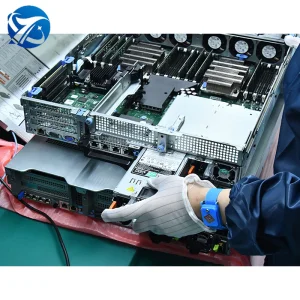
CE, FCC, and RoHS certification checks, safe static shielding, and secure export packing.
Modern enterprises do not buy servers in a vacuum; they purchase computing power tailored to specific workloads. Selecting the right hardware configurations ensures that software pipelines scale efficiently without creating performance bottlenecks.
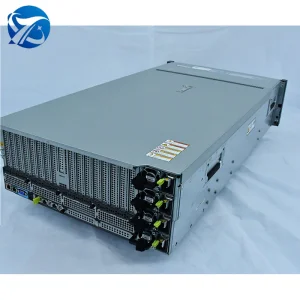
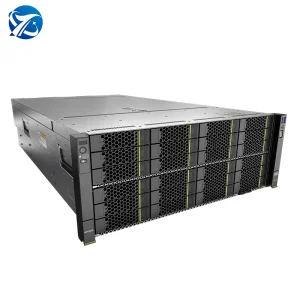
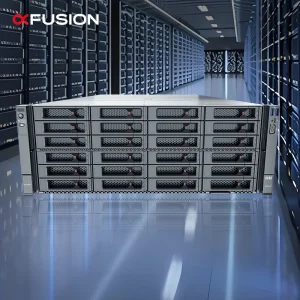
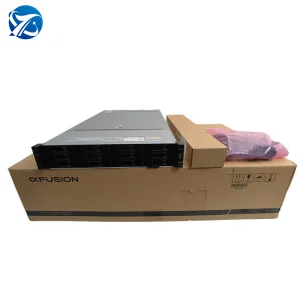
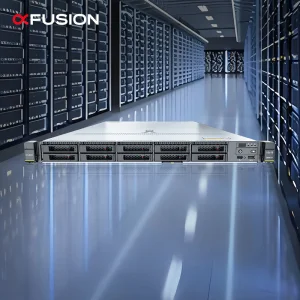
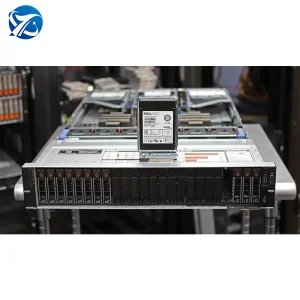
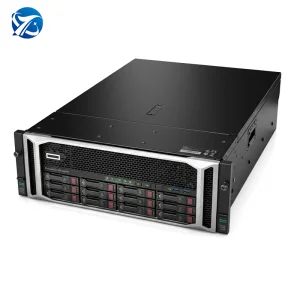
Artificial Intelligence & LLMs: Platforms like the FusionServer xFusion G5500 V6 and specialized AI GPU Rack configurations provide the massive parallel computing power required for deep learning workloads.
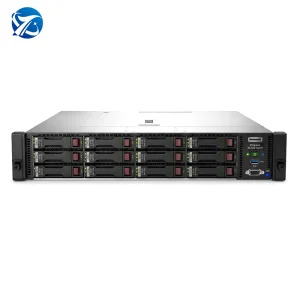
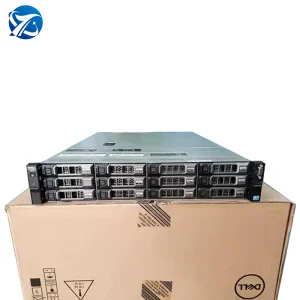
High-Performance Database & virtualization: Systems like the Dell PowerEdge R750 and R760XD2 are designed for low-latency storage access, featuring PCIe Gen 5 NVMe drive bays that eliminate I/O limits.
Edge Computing & Micro-Data Centers: Compact servers like the Dell PowerEdge R660XS offer dense, 1U footprint computing options, balancing thermal efficiency and processing power for remote installations.
Company Name: Nexora Intelligent Technology Co., Ltd.
Brand: NexoraGPU
Founded in 2017, Nexora Intelligent Technology Co., Ltd. is a professional manufacturer specializing in high-performance GPU servers, AI computing systems, HPC clusters, storage servers, and customized data center infrastructure solutions. With a modern production facility covering 386㎡, we provide reliable and scalable computing platforms for enterprises, AI startups, research institutes, universities, cloud service providers, and data centers worldwide.
Leveraging 9 years of industry experience and 6 years of export experience, NexoraGPU has established a strong reputation in the global AI computing market. Our annual export revenue exceeds US$18 million, serving customers across North America, Europe, Southeast Asia, the Middle East, and South America.
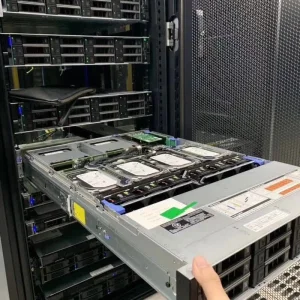
We maintain a rigorous quality management system supported by 42 professional quality control personnel. Every product undergoes comprehensive testing procedures, including component verification, burn-in testing, thermal performance testing, power stability testing, compatibility validation, and final system inspection before shipment. Quality inspection methods include 100% functional testing, aging tests, and performance benchmarking to ensure reliable operation in demanding environments.
NexoraGPU operates as an OEM & ODM manufacturer with direct export capabilities, supported by a robust network of more than 1,250 supply chain partners. Our primary customers include AI solution providers, cloud computing companies, system integrators, research institutions, government projects, universities, and enterprise data centers.
Innovation remains at the core of our business. Our in-house R&D department consists of 128 experienced engineers specializing in server architecture, thermal design, AI infrastructure deployment, and hardware optimization. We offer comprehensive customization services, including GPU configuration, chassis design, storage architecture, networking solutions, branding, firmware optimization, and rack-level deployment.
Last year alone, NexoraGPU successfully launched 86 new products, further expanding our portfolio of AI servers, GPU workstations, edge computing systems, and enterprise storage platforms. Our advanced R&D capabilities enable us to rapidly develop tailored solutions that meet the evolving requirements of artificial intelligence, machine learning, deep learning, scientific computing, and cloud infrastructure applications.
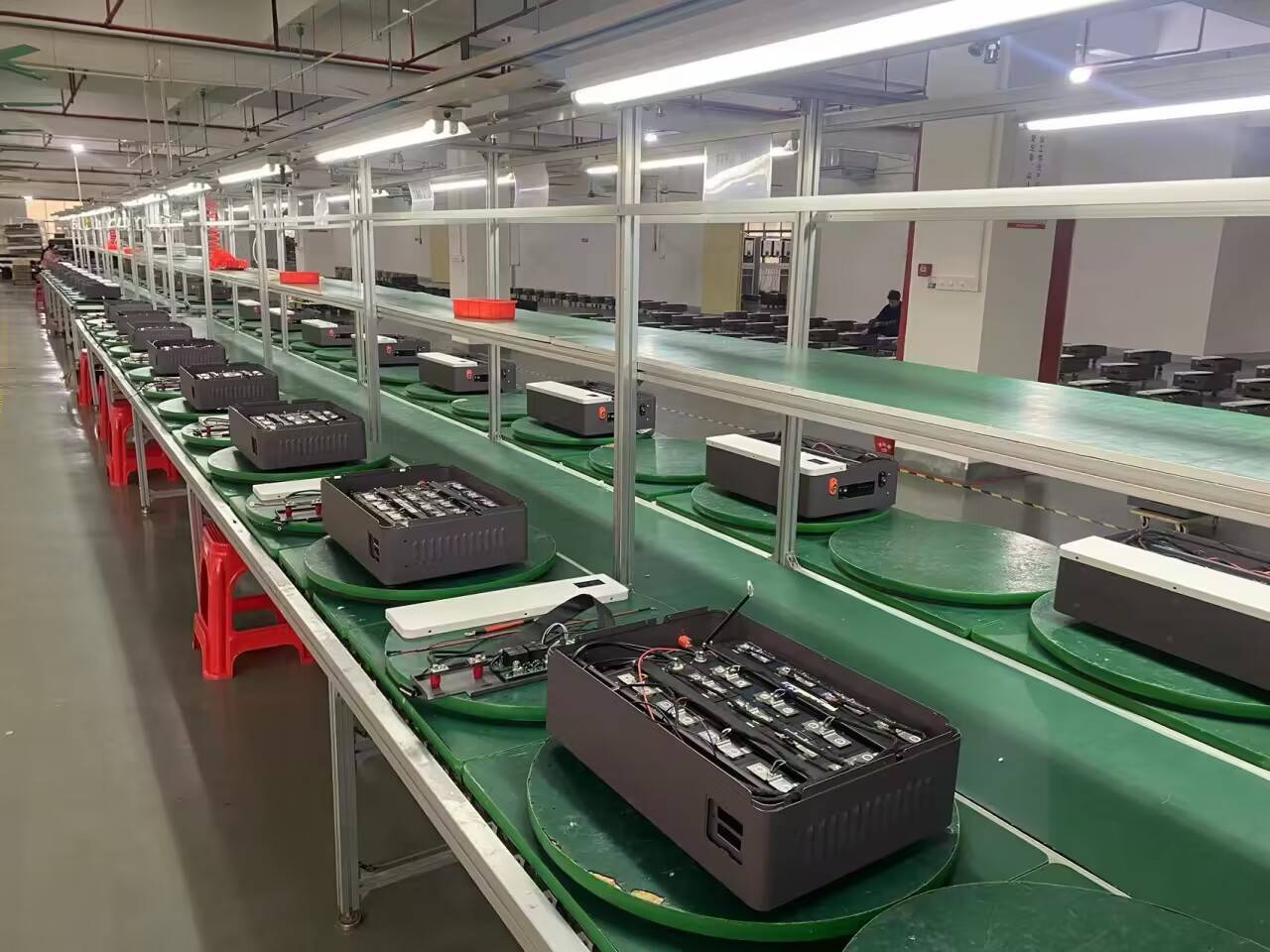

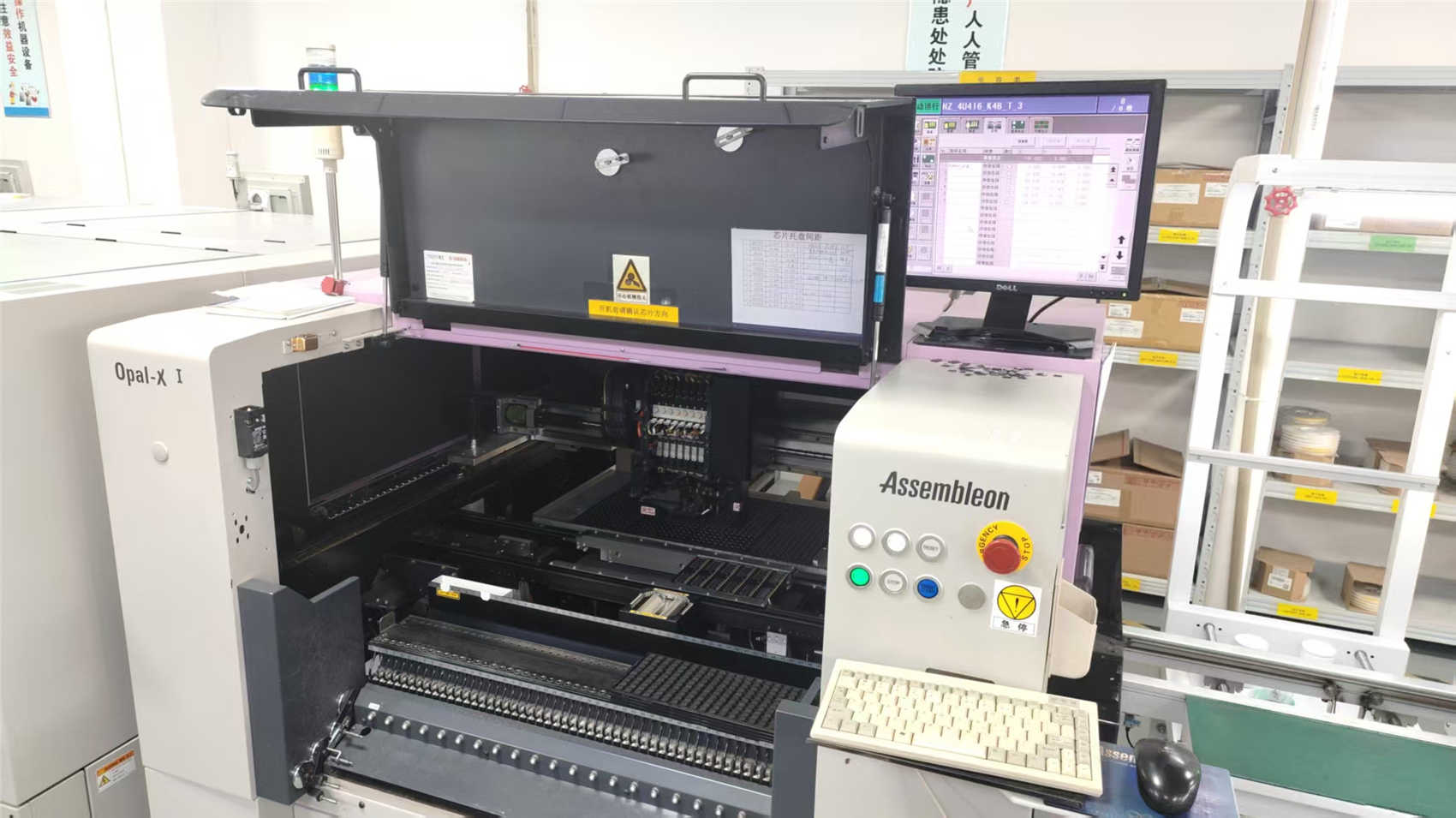
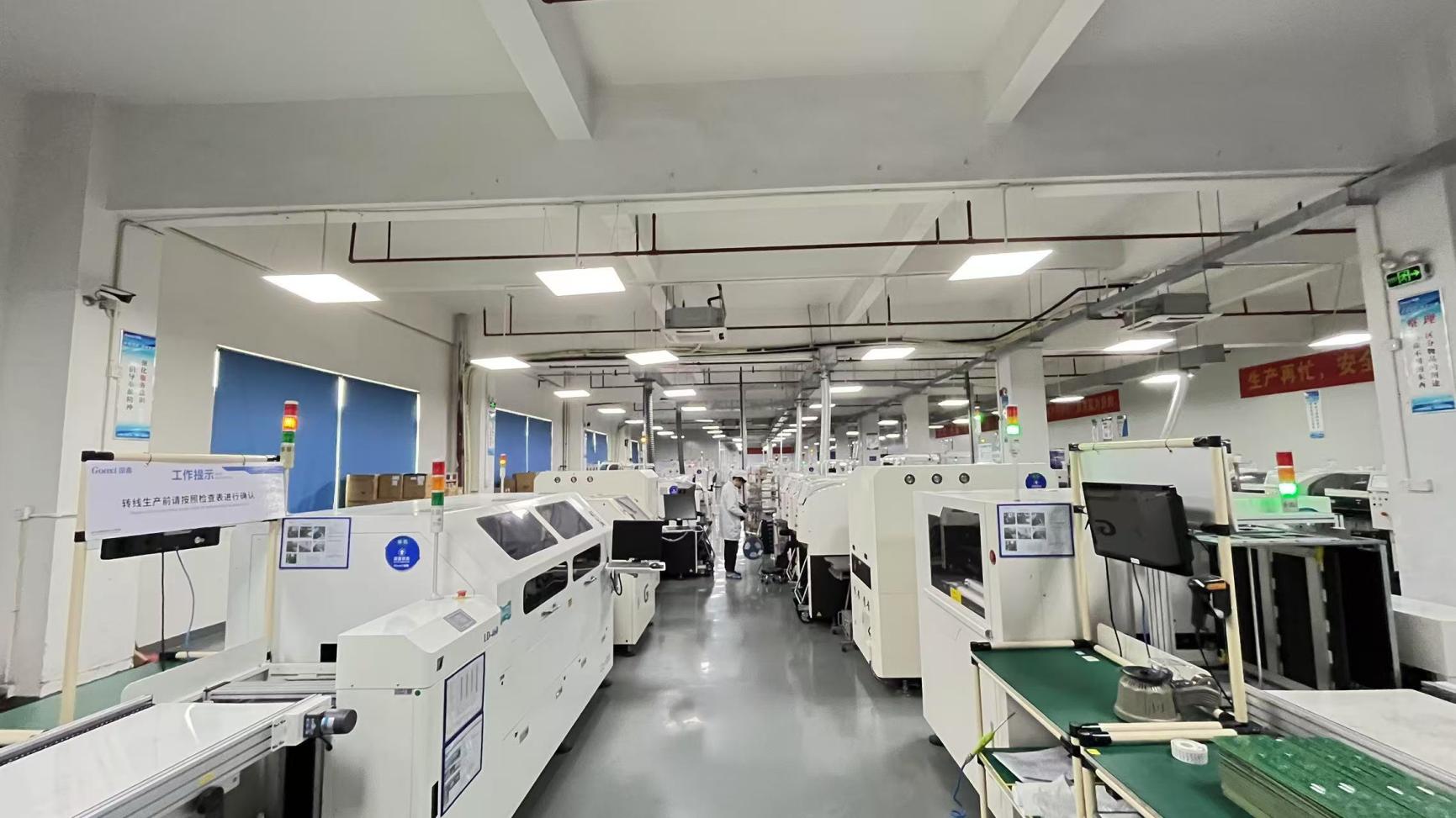
By combining in-house thermal engineering with tier-1 component integration, NexoraGPU bridges the gap between raw hardware assembly and production-ready enterprise server deployments.
To support PCIe Gen 5 signals (32 GT/s) without attenuation, factories use low-loss PCB substrates like Megtron 6 or Megtron 8. Trace lengths are routed with tight impedance matching, and redriver or retimer chips are embedded on long paths to rebuild signal clean lines before reaching CPU host controllers.
Custom exporters offer deep configuration flexibility. Buyers can optimize thermal design for specific high-density environments, select custom memory arrays, and pre-integrate specialized components like enterprise SSDs or network cards. They also manage export compliance, saving on integration and shipping costs compared to standard channels.
Reliability standards require dynamic burn-in testing, where assembled servers run at full computational capacity in heated chambers (up to 40°C or 45°C) for 24 to 72 hours. This process monitors power supply ripples, CPU thermal throttle thresholds, and memory parity checks to catch hardware faults before shipping.
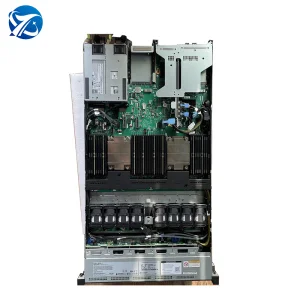
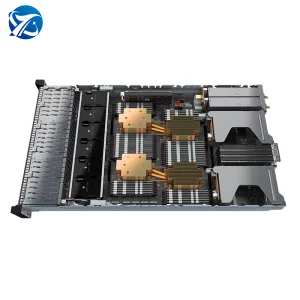
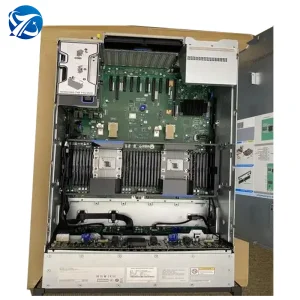
Factories address thermal requirements through advanced airflow simulation modeling and structural enhancements. This includes high-CFM counter-rotating fan assemblies, dedicated air shrouds that direct clean air to hot components, and integrated direct liquid cooling (DLC) cold plates that run coolant loops directly over the silicon block.
For North America, servers must have FCC Part 15 (electromagnetic compatibility) and UL/CSA safety certifications. For the European Union, CE marking is required, which covers electromagnetic compatibility (EMC), safety (LVD), and environmental compliance under the RoHS and WEEE directives.
Power-dense computing blocks designed for next-generation enterprise clusters