NexoraGPU
NexoraGPU
NexoraGPU
Enterprise-grade server platforms and processing equipment optimized for low-latency network cards and computational throughput.
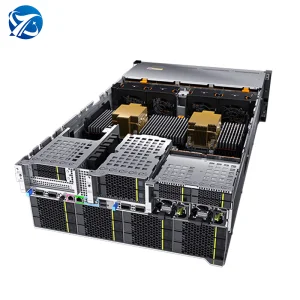
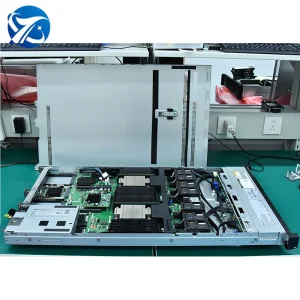
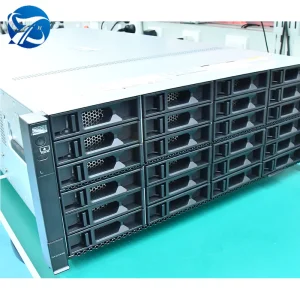
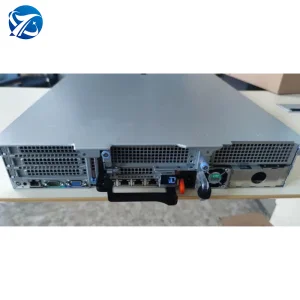
In the era of cloud computing, massive database structures, and high-performance artificial intelligence (AI) inference engines, the standard Network Interface Card (NIC) has evolved from a simple physical-layer converter into a complex data co-processing architecture. Modern network cards handle throughput ranges from 10GbE up to 400GbE and even 800GbE, serving as the foundational pipeline for real-time computational nodes.
“The bottlenecks of modern enterprise networks are no longer bounded by compute capacity alone, but by packet processing speed and low-latency delivery across distributed database environments. This shift has elevated the Network Card from a simple accessory to the primary pillar of cloud and AI scaling infrastructure.”
Depending on the integration complexity, enterprise network interfaces are divided into three primary tiers:
| Parameters | Standard NIC | SmartNIC | DPU (Data Processing Unit) |
|---|---|---|---|
| Offload Capability | Checksum, LSO/LRO, RSS | OVS, VXLAN, Firewall Rules | Full Storage, Compute & Network virtualization |
| Onboard Processing | Fixed-function ASIC | Programmable FPGA or ARM cores | Multi-core ARM/MIPS + Hardware Crypto + AI Engines |
| Typical Speeds | 1Gbps - 25Gbps | 25Gbps - 100Gbps | 100Gbps - 400Gbps+ |
| Target Applications | Workstations, Basic Servers | SDN Cloud Infrastructure, Edge Nodes | AI Clusters, Hyperscale Data Centers, NVMe-oF |
A comprehensive analysis of the global leaders driving innovations in network connectivity, transceiver reliability, and server communication adapters.
NVIDIA dominates the high-speed networking segment with the ConnectX series of network adapters and BlueField DPUs. Optimized for InfiniBand and high-speed RoCE (RDMA over Converged Ethernet), their adapters are essential components in AI deep learning computing nodes and high-performance server clusters.
Intel's Ethernet Adapters (such as the E810 series) are the backbone of enterprise standard servers globally. Renowned for their widespread driver compatibility across Linux, VMware, and Windows ecosystems, Intel offers unparalleled reliability, high queue density, and excellent application performance tuning through Application Device Queues (ADQ).
Broadcom's NetXtreme series represents the high-efficiency cloud scale standard. Their optical and copper network cards offer exceptional power-to-performance ratios and advanced hardware-assisted congestion control. Broadcom's chips are widely integrated into server mainboards and PCIe accessories for major hyperscalers.
Marvell's FastLinQ series provides specialized Ethernet network adapters that support concurrent RoCE, iWARP, and FCoE/iSCSI offloading. This high degree of multiprotocol versatility makes Marvell a premier provider for hybrid storage arrays and hyper-converged architectures (HCI) requiring robust I/O capabilities.
Founded in 2017, Nexora is an agile OEM/ODM manufacturer specializing in high-speed GPU server networking solutions, custom network adapter configurations, and high-performance server architectures. Supported by an extensive network of 1,250+ partners, Nexora integrates robust system configurations with reliable network adapter configurations for modern workloads.
Silicom specializes in high-density bypass adapters, encryption accelerator cards, and custom multi-port network solutions. They cater strongly to the cybersecurity and SD-WAN appliance market, manufacturing customized NIC hardware that maintains critical server-to-server linkages even during power failures.
A regional powerhouse, Luster designs high-end optical communication modules and high-speed network interfaces for specialized industrial computation and machine vision networks. Their cards are engineered to withstand extreme electronic noise environments while delivering continuous zero-loss packet streams.
LR-Link is a professional network card manufacturer offering an extensive portfolio of PCIe fiber and copper Ethernet adapters. Known for cost-effective manufacturing and highly diverse port options, LR-Link adapters are commonly integrated into industrial PCs, automation controllers, and enterprise workstations globally.
Inspur designs specialized network integration modules alongside their cloud server systems. Their dual-port OCP 3.0 network cards offer deep integration with hyper-converged hardware architectures, ensuring seamless hardware-level coordination between memory banks, CPUs, and virtual interfaces.
Centec produces Ethernet switching silicon and high-density NIC interfaces. Their network hardware focuses on software-defined networking (SDN) and OpenFlow standards, providing cost-effective alternatives for telecom providers, large-scale campus networks, and industrial cloud platforms.
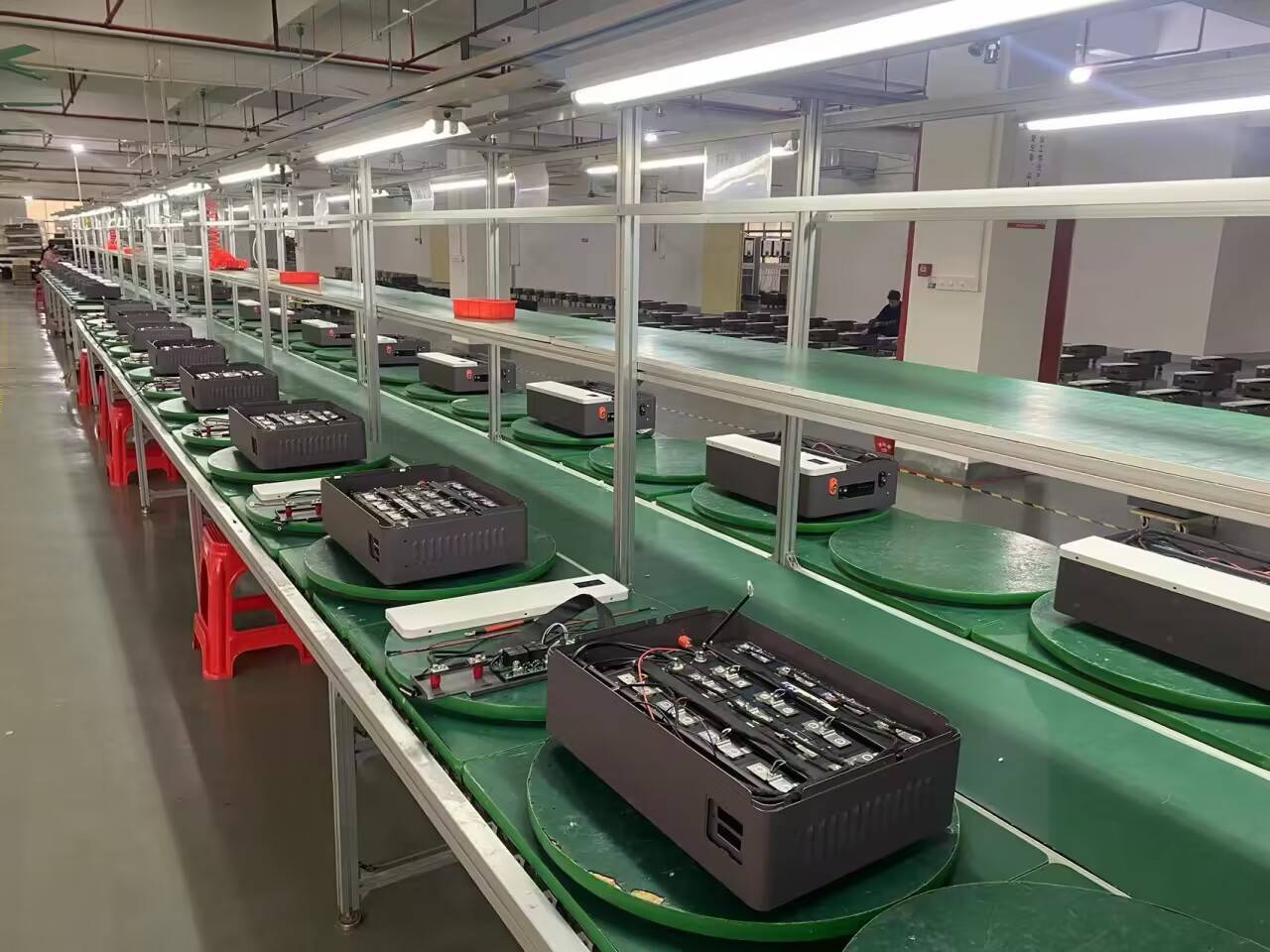
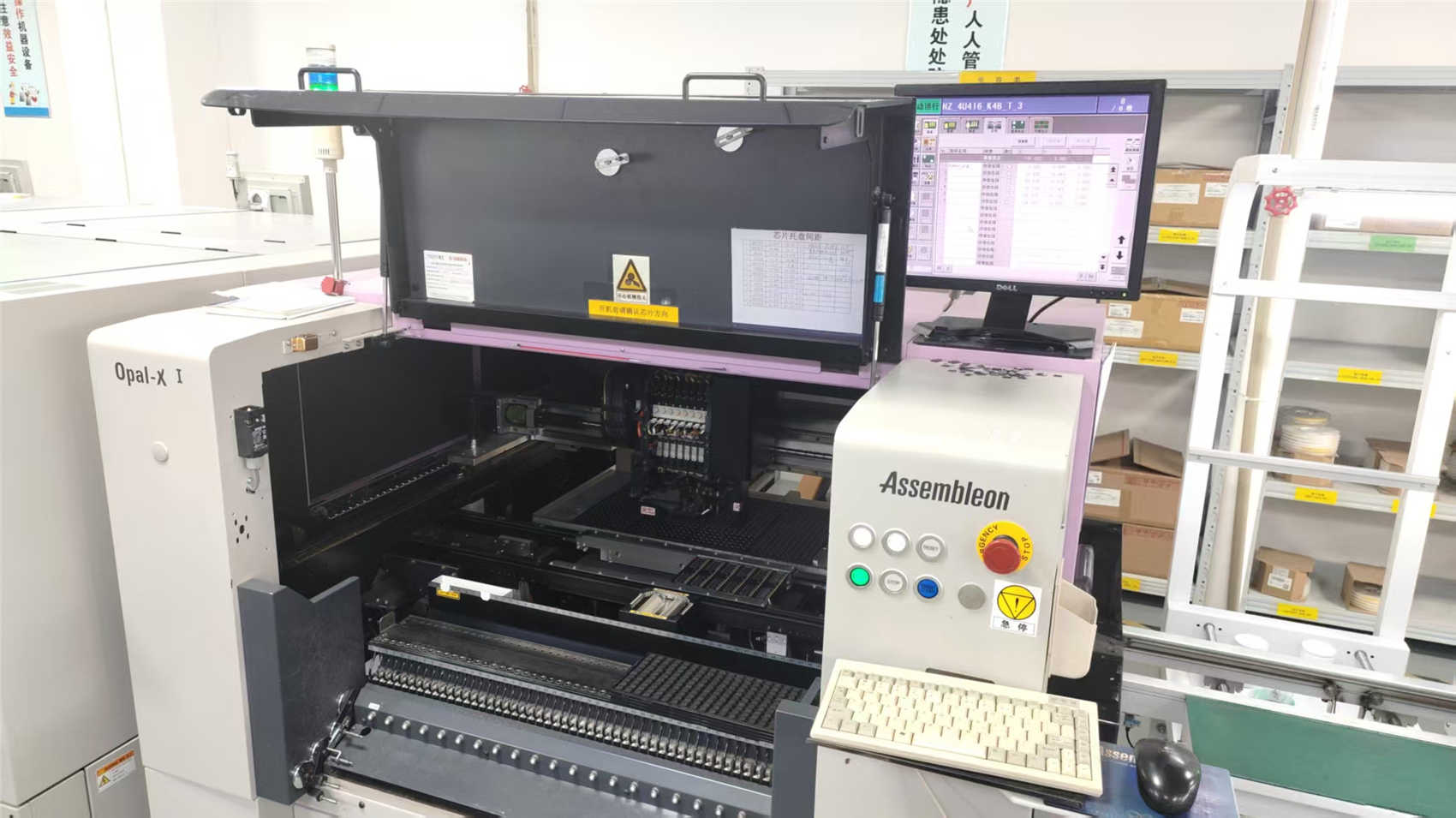
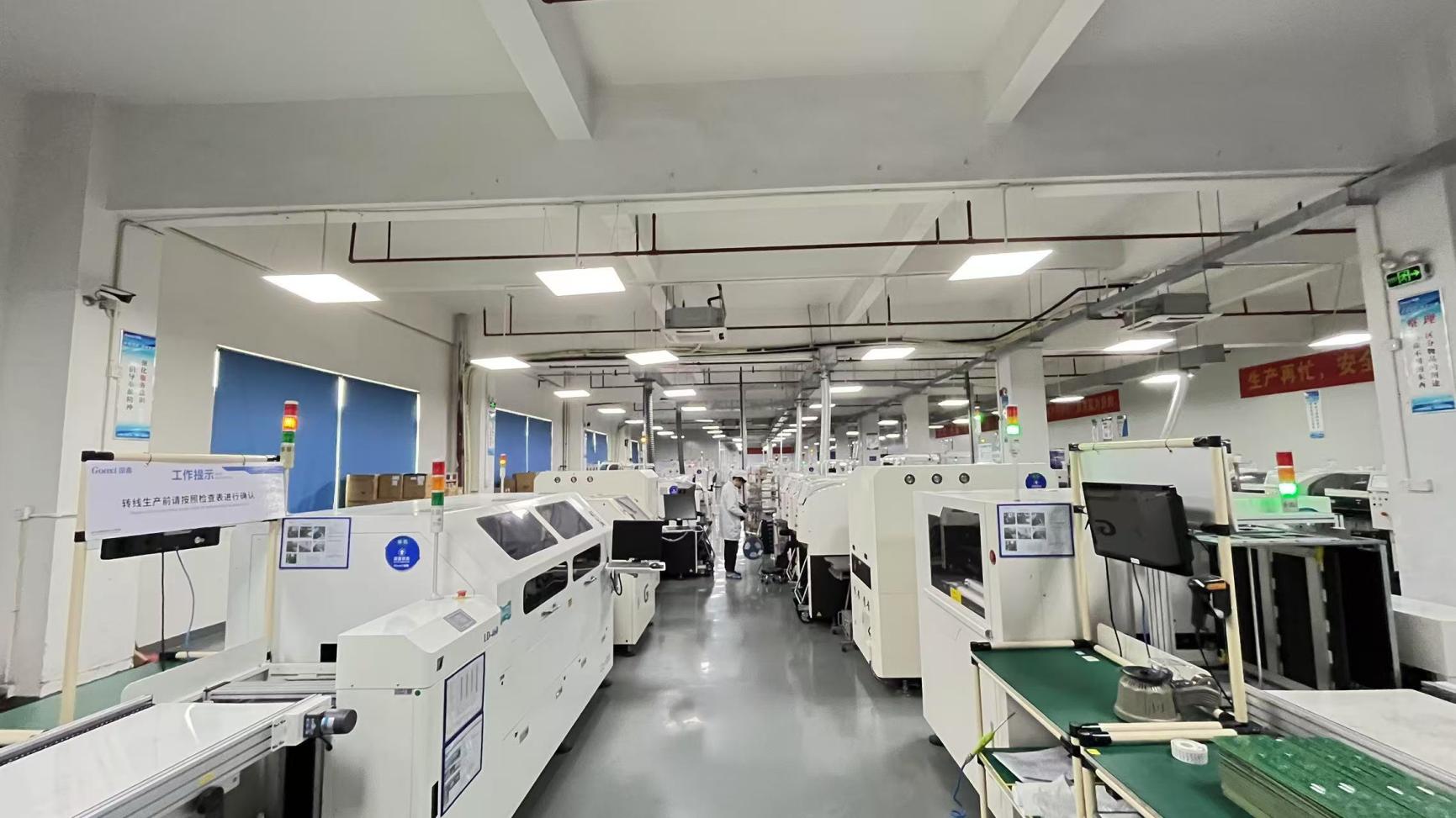
The global server and network card landscape relies heavily on China’s manufacturing ecosystem, centered in the technology clusters of Shenzhen. This industrial hub integrates every element of production, from raw semiconductor wafers to final burn-in chamber testing, within a tight geographical area.
By operating directly in this manufacturing ecosystem, manufacturers can rapidly design, prototype, and scale networking hardware far faster than competitors. This ecosystem offers distinct advantages for global procurement departments:
Nexora Intelligent Technology illustrates these advantages. Operating within modern production facilities and supported by a robust network of over 1,250 supply chain partners, Nexora optimizes the design, validation, and manufacturing of high-performance server structures and network card systems.
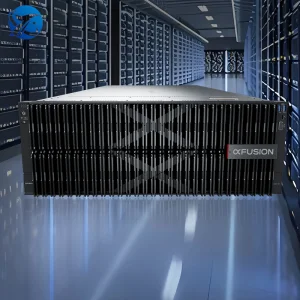
Every product is subjected to strict quality control processes by 42 dedicated quality assurance professionals. With a core group of 128 specialized research and development engineers, Nexora integrates customized networking parameters directly into host server platforms like the Dell PowerEdge and xFusion FusionServer lines.
This integration ensures that the final assembly—from network interface controllers (NICs) to host PCIe slots, processors, and high-frequency memory modules—achieves certified compatibility and thermal stability before leaving the factory floor.
Enterprise procurement departments must look beyond raw bandwidth when sourcing networking hardware. Because network adapters are the bottleneck of distributed systems, multiple physical and protocol performance indicators must be assessed:
Assess standard requirements (10GbE, 25GbE, 100GbE, 200GbE) and select appropriate form factors: SFP+, SFP28, QSFP28, QSFP56, or OCP 3.0. Multi-port configurations (dual-port or quad-port) increase density while maximizing PCIe lane allocation.
For high-frequency trading (HFT), database synchronization, and GPU training clusters, low-latency communication is essential. Procured network cards should support hardware-based RDMA (RoCE v2 or iWARP) to bypass the host CPU stack and read/write directly to remote system memory.
High-speed network cards consume significant power (often 15W to 40W for 100G/200G models). Ensure target host chassis (e.g., 1U/2U racks) provide sufficient airflow and that the card’s heatsink is designed for continuous operation under full thermal load.
| Server Model Compatibility | Optimal Slot Form Factor | Recommended Speeds | Key Application Use-Case |
|---|---|---|---|
| Dell PowerEdge R740 / R750 | PCIe Gen4 x8 / x16 / OCP 3.0 | 25GbE / 100GbE | Virtualization, High-Speed Database Cluster |
| FusionServer Pro 1288H V7 | PCIe Gen5 x16 / OCP 3.0 | 100GbE / 200GbE | AI Compute Clusters, Multi-Container Virtualization |
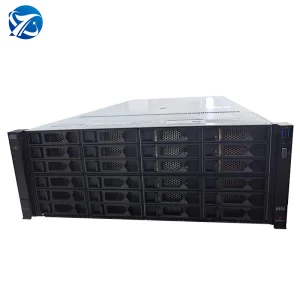
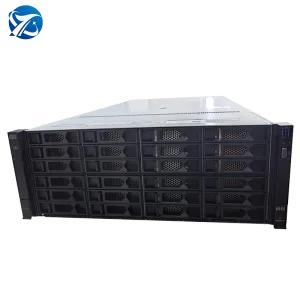
| xFusion FusionServer 5288 V6 | PCIe Gen4 x16 | 25GbE / 100GbE | Distributed Storage Arrays, NAS Nodes |
| GPU Servers (G5500 V6 / G5200 V7) | PCIe Gen4 / Gen5 x16 (Multi-slot) | 200GbE / 400GbE (InfiniBand/RoCE) | AI Training, Deep Learning Model Inference |
Navigating global regulatory landscapes is essential for international hardware integration. Enterprise network adapters and host computing servers must meet strict security, environmental, and electrical certifications to be imported and operated inside corporate network fabrics.
Our global operations prioritize strict engineering compliance and quality control to ensure smooth customs clearance and secure deployment across key international regions:
Regulatory compliance is only the first step. Operating mission-critical infrastructure requires reliable post-purchase support and Field Application Engineer (FAE) response teams. Nexora addresses this need by maintaining localized RMA processing hubs, dedicated engineering assistance, and firmware integration services.
When deploying systems globally—whether in North America, Europe, Southeast Asia, the Middle East, or South America—customers benefit from rapid parts replacement, remote diagnostic assistance, and driver customization. This comprehensive support structure minimizes network downtime and ensures operational continuity.
Export Experience
Annual Export Value
Quality Inspections
The networking industry is on the cusp of major technological shifts. As compute requirements scale, conventional copper interconnects and silicon architectures are approaching physical limitations, driving several key innovations:
With PCIe 6.0 utilizing PAM4 (Pulse Amplitude Modulation 4-level) signaling, bandwidth per lane doubles compared to PCIe 5.0. Modern network adapters are adapting to these speeds, enabling single-slot cards to deliver up to 800Gbps of bidirectional network interface bandwidth, crucial for removing bottlenecks in large CPU and GPU clusters.
As transmission speeds reach 800G and 1.6T, electrical signals degrade quickly over traditional copper cables. Co-packaged optics integrate fiber interfaces directly onto the silicon substrate of the network controller or CPU, replacing high-resistance electrical copper tracks with optical pathways to reduce power consumption and latency.
CXL technology is redefining how network cards interact with system memory. Future CXL-enabled SmartNICs and DPUs will access host system RAM and shared storage blocks directly over high-speed CXL buses with near-zero latency, treating remote network storage resources as local memory pools.
Modern data centers handle highly dynamic traffic patterns. Next-generation network cards leverage integrated hardware neural network engines to analyze packet queues in real time, predicting congestion and adjusting flow control protocols (e.g., RoCE congestion management) dynamically to prevent buffer overflows and packet drops.
Discover how enterprise-grade servers and high-speed network interfaces resolve performance bottlenecks across real-world industrial and computational workloads.
Deployment: Multi-node GPU server environments using PCIe Gen 5 network interfaces with active RoCE v2 configurations.
Result: Inter-node latency dropped below 1.5 microseconds. Deep learning models completed training phases 32% faster due to direct GPU-to-GPU memory access bypass of host CPU kernels.
Deployment: 1U enterprise servers fitted with dual-port 100GbE network cards running hardware-level kernel bypass (DPDK).
Result: Packet processing capacity scaled to line-rate transmission without increasing CPU utilization, allowing edge servers to handle 4.5x more concurrent video streams.
Deployment: Custom SmartNIC cards integrated into rack server databases executing hardware IPSec encryption offloads.
Result: Complete security encryption of database traffic between nodes without impacting transactional write speed, ensuring financial compliance and high security.
Brand Name: NexoraGPU
Founded in 2017, Nexora Intelligent Technology Co., Ltd. is a professional manufacturer specializing in high-performance GPU servers, AI computing systems, HPC clusters, storage servers, and customized data center infrastructure solutions. With a modern production facility covering 386㎡, we provide reliable and scalable computing platforms for enterprises, AI startups, research institutes, universities, cloud service providers, and data centers worldwide.
Leveraging 9 years of industry experience and 6 years of export experience, NexoraGPU has established a strong reputation in the global AI computing market. Our annual export revenue exceeds US$18 million, serving customers across North America, Europe, Southeast Asia, the Middle East, and South America.
We maintain a rigorous quality management system supported by 42 professional quality control personnel. Every product undergoes comprehensive testing procedures, including component verification, burn-in testing, thermal performance testing, power stability testing, compatibility validation, and final system inspection before shipment. Quality inspection methods include 100% functional testing, aging tests, and performance benchmarking to ensure reliable operation in demanding environments.
NexoraGPU operates as an OEM & ODM manufacturer with direct export capabilities, supported by a robust network of more than 1,250 supply chain partners. Our primary customers include AI solution providers, cloud computing companies, system integrators, research institutions, government projects, universities, and enterprise data centers.
Innovation remains at the core of our business. Our in-house R&D department consists of 128 experienced engineers specializing in server architecture, thermal design, AI infrastructure deployment, and hardware optimization. We offer comprehensive customization services, including GPU configuration, chassis design, storage architecture, networking solutions, branding, firmware optimization, and rack-level deployment.
Last year alone, NexoraGPU successfully launched 86 new products, further expanding our portfolio of AI servers, GPU workstations, edge computing systems, and enterprise storage platforms. Our advanced R&D capabilities enable us to rapidly develop tailored solutions that meet the evolving requirements of artificial intelligence, machine learning, deep learning, scientific computing, and cloud infrastructure applications.

“By pairing our server chassis configurations with high-speed network interfaces, we provide fully validated computational frameworks engineered for reliability, security, and sustained throughput.”
Get answers to common technical and logistical questions regarding network interface cards, server compatibility, and hardware customization.
Complete your infrastructure with validated enterprise storage systems, custom computing servers, and server memory configurations.