NexoraGPU
NexoraGPU
NexoraGPU
Enterprise-grade server units and custom configurations designed to drive threat mitigation, stateful packet filtering, and high-speed cryptographic throughput.
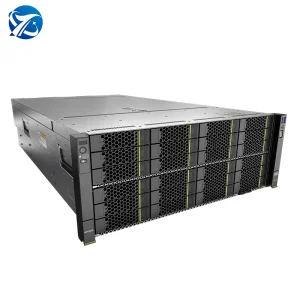
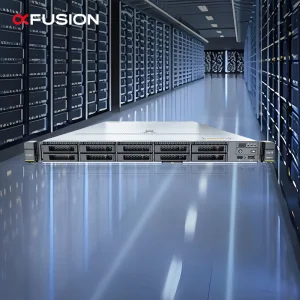
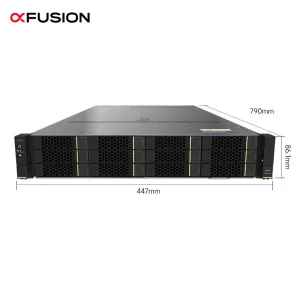
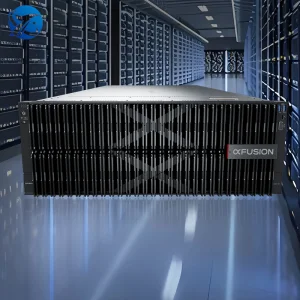
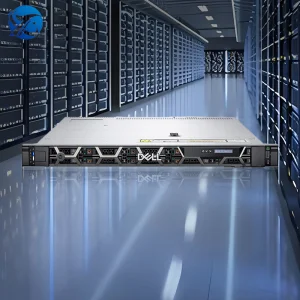
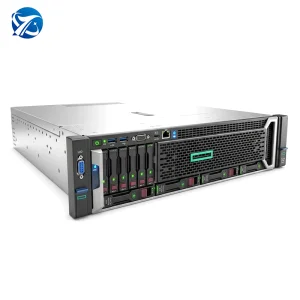
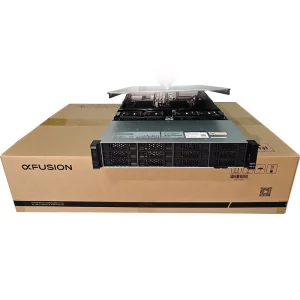
The global security environment is undergoing a rapid evolution, moving away from legacy perimeter defenses towards a dynamic, software-defined paradigm. As organizations process massive volumes of distributed data, network security hardware is no longer limited to simple firewall duties. Modern deployments demand specialized processing capabilities to run Zero Trust Network Access (ZTNA) mechanisms, inspect encrypted SSL/TLS traffic in real-time, and run predictive analytics on threat vectors.
Security architectures are increasingly moving towards decentralization, pushing critical intrusion detection and prevention systems (IDS/IPS) directly to the network edge. This transition requires high-throughput, low-latency processing capabilities. Suppliers and exporters must provide hardware that goes beyond standard operations, offering customized hardware acceleration platforms equipped with dedicated DPUs (Data Processing Units) and high-performance GPU resources to manage AI-driven threat classification at line-rate speeds.
Security tools now run complex machine learning models directly on the ingress pipeline. Detecting sophisticated, polymorphic zero-day exploits requires high-performance hardware, utilizing GPUs like those in the NexoraGPU systems, to process real-time packet anomalies without causing bottlenecks.
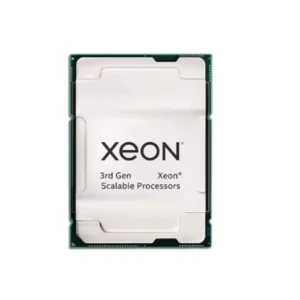
Over 90% of web traffic is encrypted, providing a potential shield for malicious payloads. Decrypting, inspecting, and re-encrypting high-speed network traffic requires specialized cryptoprocessors and high core-count CPUs, such as the Intel Xeon Scalable series, to prevent network latency degradation.
A data-informed analysis of what procurement officers and network architects look for when sourcing network security platforms.
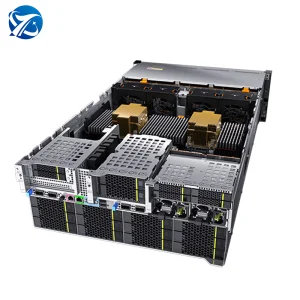
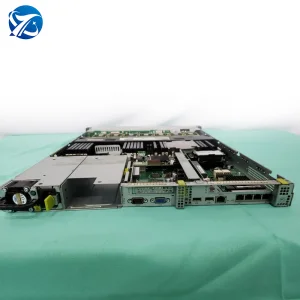
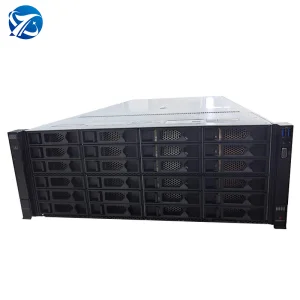
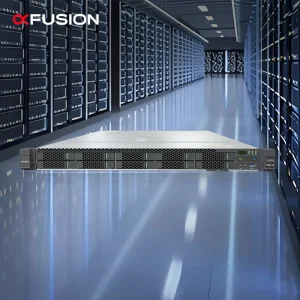
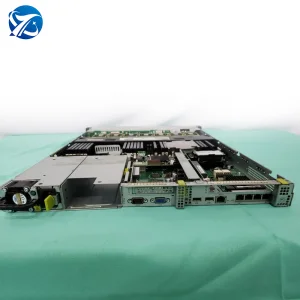
Enterprises require modular hardware architectures capable of scaling processing resources dynamically. 1U and 2U rack server nodes must support multiple PCI-e Gen5 slots for high-speed network interface cards (NICs) alongside hot-swappable enterprise storage drives.
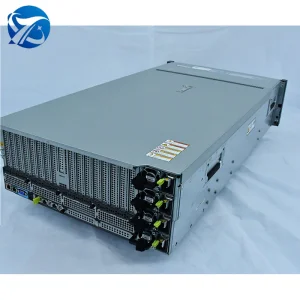
Network security appliances operate continuously, 24/7/365. Hardware must be engineered with redundant power supplies (PSUs), hot-plug redundant fans, and rigorous component-level burn-in testing to guarantee high Mean Time Between Failures (MTBF).
Global procurement teams prioritize vendors who offer verified component tracking, secure hardware manufacturing lines, and compliance with local certifications, ensuring that physical servers are delivered without built-in vulnerabilities.
Founded in 2017 under the brand NexoraGPU, Nexora Intelligent Technology Co., Ltd. is an established manufacturer specializing in high-performance GPU server design, AI compute clustering, high-throughput network computing nodes, and secure enterprise data storage solutions. Operating from our modern production and testing facility, we provide scalable computing solutions to enterprise clients, data centers, and academic institutions worldwide.
Backed by 9 years of industry experience and 6 years of export history, NexoraGPU serves a global market. Our export operations generate over US$18 million annually, supplying mission-critical hardware to enterprises in North America, Europe, the Asia-Pacific region, and the Middle East.
Quality and reliability form the foundation of our engineering process. With a team of 42 quality control specialists, we subject every server node, GPU workstation, and storage array to rigorous testing protocols. This process includes comprehensive component verification, thermal profiling under load, power supply stability testing, compatibility testing, and final system inspection to ensure reliable performance under demanding security and computational workloads.
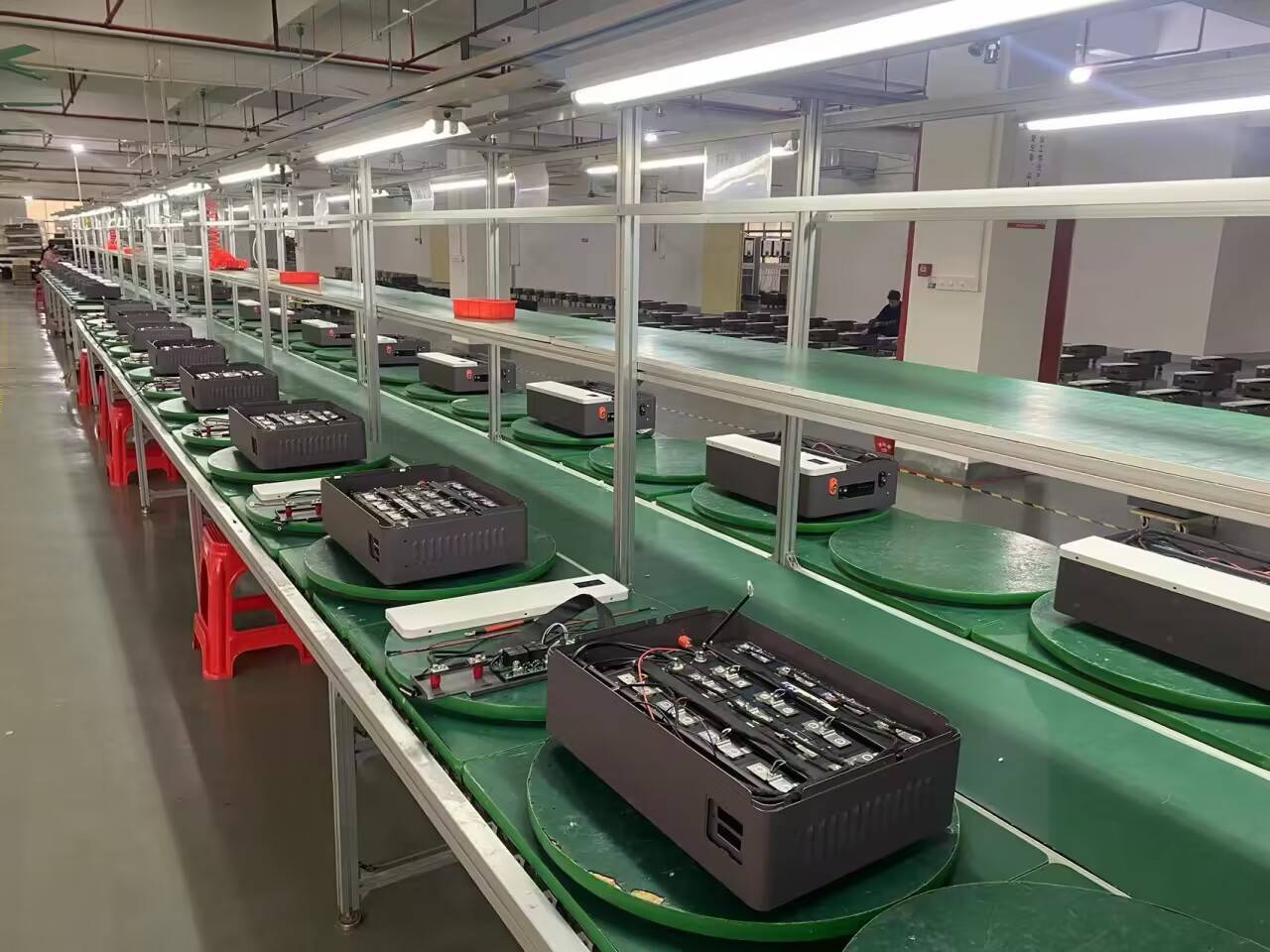

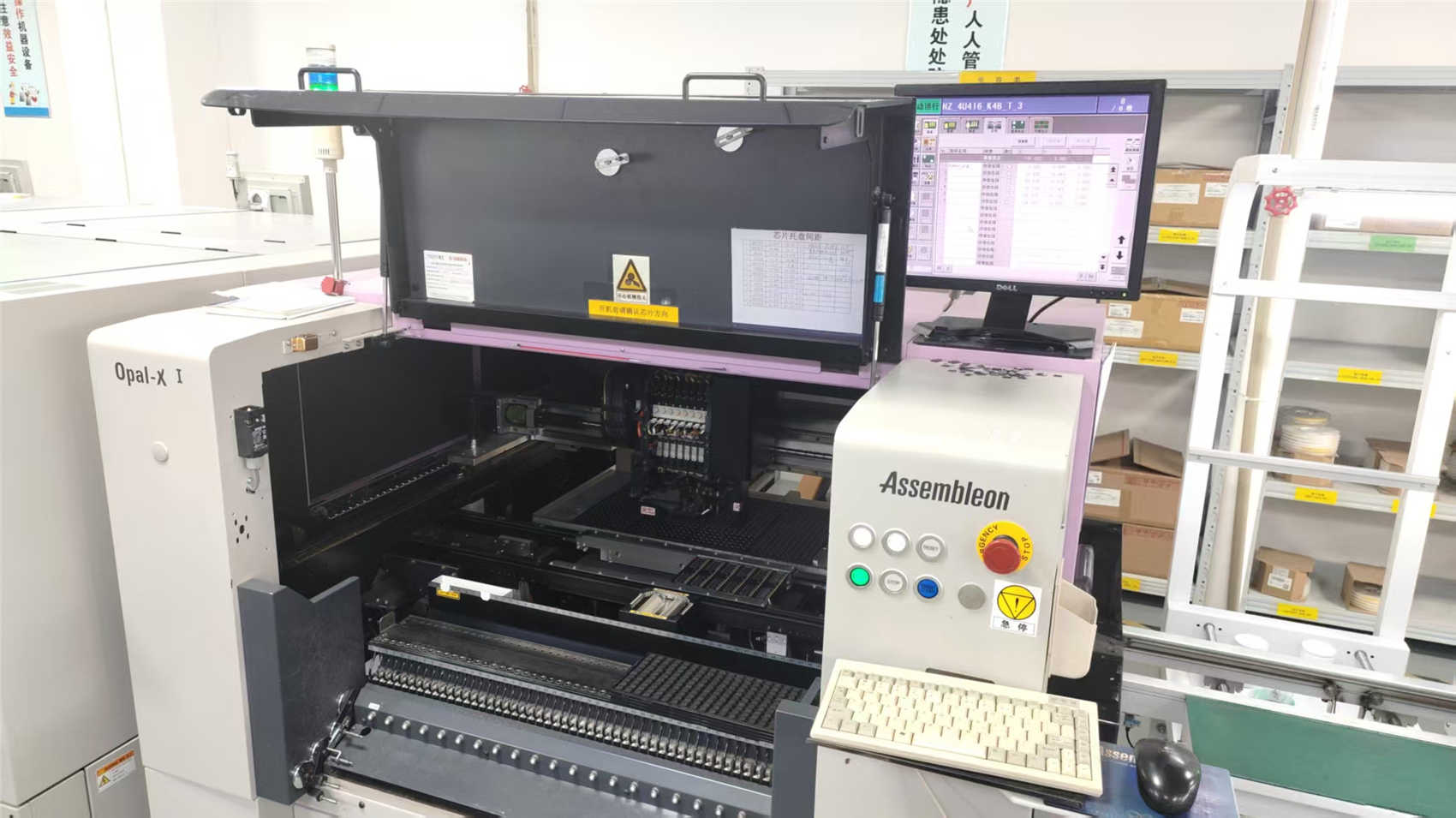
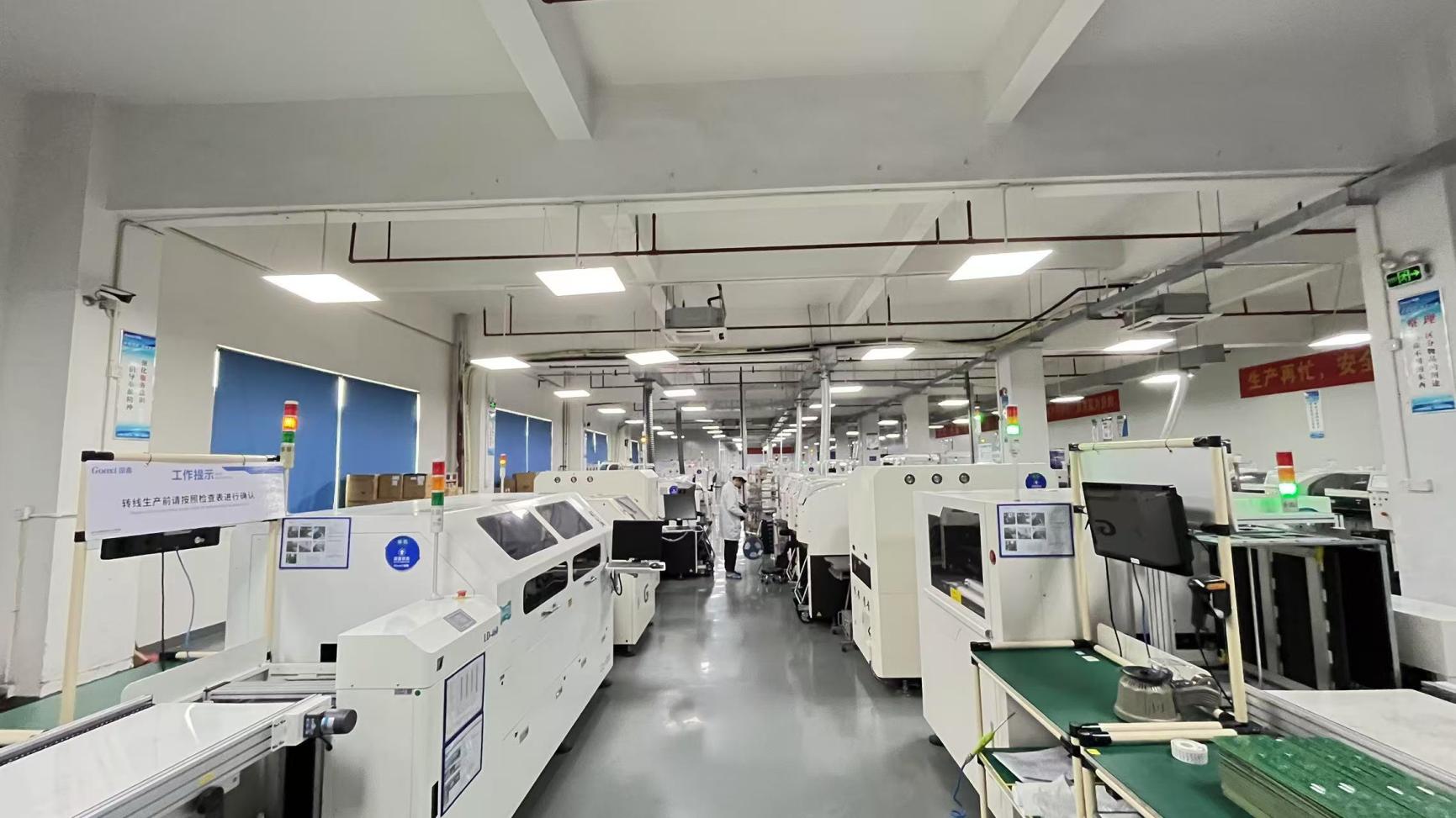
A comprehensive architectural view of deploying high-performance server nodes for unified network defense, intrusion prevention, and high-speed data integrity.
By using virtualization technologies on high-core-count processors like the Intel Xeon Scalable series, enterprises can run multiple isolated virtual firewall instances on a single 1U or 2U hardware node. This simplifies data center management and reduces total cost of ownership (TCO).
Deploying dedicated GPU servers, such as those configured for Deep Learning workloads, allows enterprises to run complex heuristic threat analysis models. This enables the detection of anomalous packet sequences in real-time on high-throughput data streams.
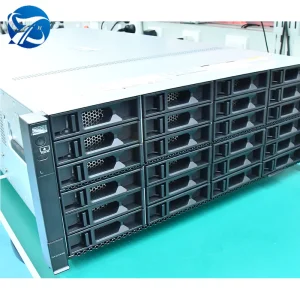
Integrating high-performance Network-Attached Storage (NAS) units with real-time hardware-based encryption keys ensures stored backups, system images, and security logs remain protected against physical and network-based intrusion.
Adhering to localized standards is critical for international hardware procurement. Security platforms must meet stringent regional criteria, such as NIST SP 800-53 in the United States, NIS2 Directive in Europe, and other regional regulatory standards. Equipment suppliers must offer robust compliance validation along with secure supply chain controls.
Our OEM & ODM engineering services prioritize security at the hardware layer. This includes provisioning secure boot options, implementing Trusted Platform Module (TPM 2.0) components, and validation options for hardware security modules (HSM). This ensures that our systems can be integrated into high-compliance environments, including government, healthcare, financial, and military networks.
A look at the future of secure data center processing, edge hardware, and integration trends over the next three years.
Moving network processing, encapsulation, and firewall rule tables from the host CPU to high-speed SmartNICs and DPUs, freeing up host CPU resources for applications.
Integrating Compute Express Link (CXL) architectures to enable pooled, shared memory configurations. This supports high-bandwidth security inspections and reduces memory latency.
Deploying AI accelerators at the edge to enable automated threat intelligence updates and packet anomaly detection directly on the hardware plane.
Answering key questions on sourcing high-performance hardware, hardware validation, and deploying AI-accelerated security appliances.
Explore our full catalog of scalable 1U/2U/4U servers, high-efficiency processors, and customized computing platforms.