NexoraGPU
NexoraGPU
NexoraGPU
Enterprise-grade server units and memory modules engineered for high-availability migrations and GPU AI workload requirements.
An exhaustive operational guide on how enterprise-level architecture is evolving toward high-performance GPU systems, smart edge deployments, and secure data transitions.
Bridging on-premise high-density storage arrays with dynamic hyper-scaler capacity to allow fluid workload migrations.
Migrating computational clusters hosting Deepseek, LLMs, and large-scale model architectures without memory leakage.
Employing hardware-based encryption and real-time state integrity tracking during complex hardware transitions.
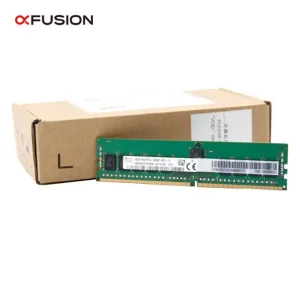
As corporate IT departments move past legacy VM-based architectures, the demand for GPU-centric server migrations has grown exponentially. Standard bare-metal transitions are no longer sufficient when migrating workloads that utilize complex AI stacks. The integration of high-bandwidth memory (such as DDR5 RDIMM running at 6400MHz with ECC) and dedicated hardware accelerators requires specialized providers who understand both hardware assembly and deep technical software configurations. Modern enterprise architectures require high-performance network structures, redundant processing components, and robust cooling structures designed to withstand continuous computing demand.
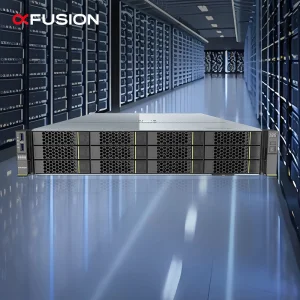
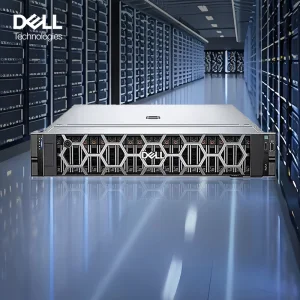
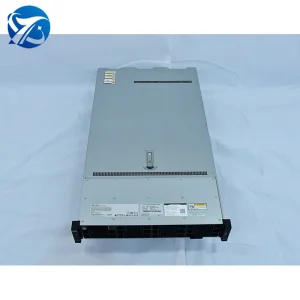
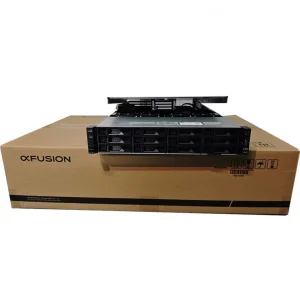
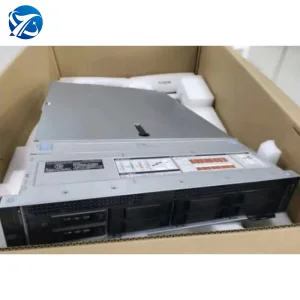
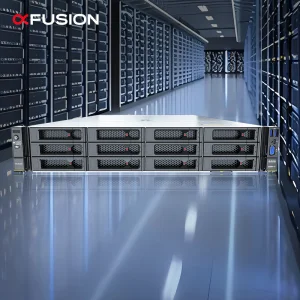
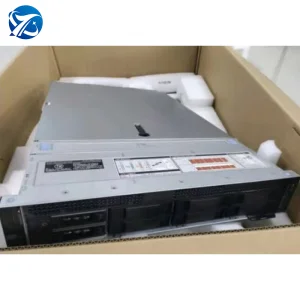
In this digital-first landscape, hardware compatibility forms the backbone of any system upgrade. Migrating legacy data onto next-generation servers like the xFusion 2288H V7 or the Dell PowerEdge R760XD2 requires rigorous system integration. From dynamic memory allocation and storage optimization to thermal-efficient processing units, selecting a migration supplier involves analyzing their structural hardware portfolio alongside their design, validation, and logistical performance track record.
How international enterprises utilize systemic hardware partners to optimize total cost of ownership and guarantee uninterrupted operation.
IT procurement managers, Chief Technology Officers (CTOs), and systems integration directors face multi-faceted challenges when evaluating hardware migration platforms. The procurement equation extends far beyond initial hardware pricing, centering primarily on:
The rise of high-complexity computing demands has driven the development of advanced manufacturing ecosystems. Factories in China's industrial zones have evolved from simple system builders into advanced smart facilities. By integrating artificial intelligence, automated testing systems, and localized component sourcing, these facilities provide unmatched benefits:
First, unrivaled supply chain redundancy. Leading manufacturers coordinate with over a thousand supply chain partners. This density ensures that even during unexpected component shortages, critical hardware parts like capacitors, specialized heatsinks, high-capacity memory, and system motherboards remain available. Second, advanced testing procedures. Every assembled server undergoes rigorous quality control, including high-temperature testing, load benchmarking, and continuous burn-in verification. This limits out-of-box failures and guarantees system stability in critical business environments.
Exploring how high-performance servers are deployed across regional hubs to meet complex operational demands.
Deploying high-density GPU servers directly within private enterprise networks to run local AI workloads securely and with minimal latency.
Use Case: Machine Learning & LLM TrainingLeveraging high-capacity SATA and NVMe storage systems to build scale-out NAS environments, handling petabytes of unstructured business data.
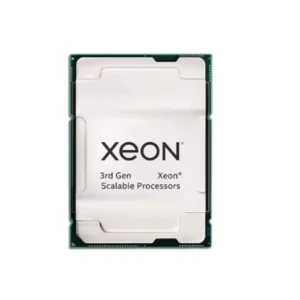
Use Case: Cloud Backup & Media ArchivingUtilizing low-latency Intel Xeon processors coupled with extreme performance RAM modules to execute thousands of concurrent financial calculations.
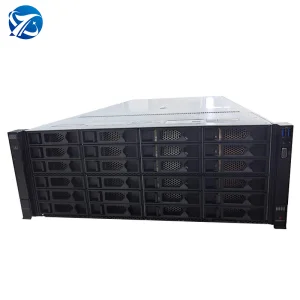
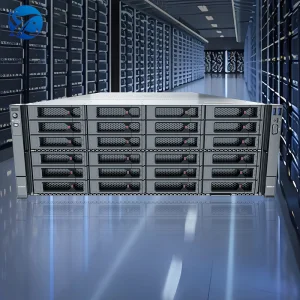
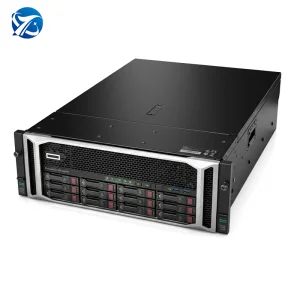
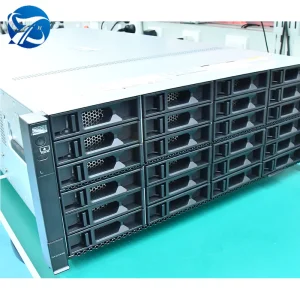
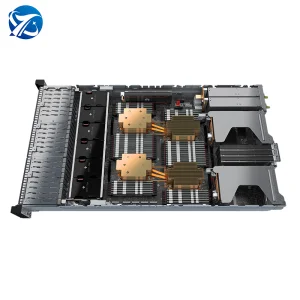
Use Case: Quantitative Trading & AnalyticsWhether configuring a network of edge nodes for smart manufacturing in Europe or deploying a centralized machine learning database in North America, different scenarios require distinct hardware combinations. For example, edge deployments require compact, thermally resilient 1U/2U server platforms, whereas large-scale deep learning tasks necessitate 4U rack-optimized configurations designed for massive cooling systems. By working with a professional supplier, enterprises can match their deployment environments with optimized configurations, including specialized storage options, redundant power systems, and high-performance network interfaces.
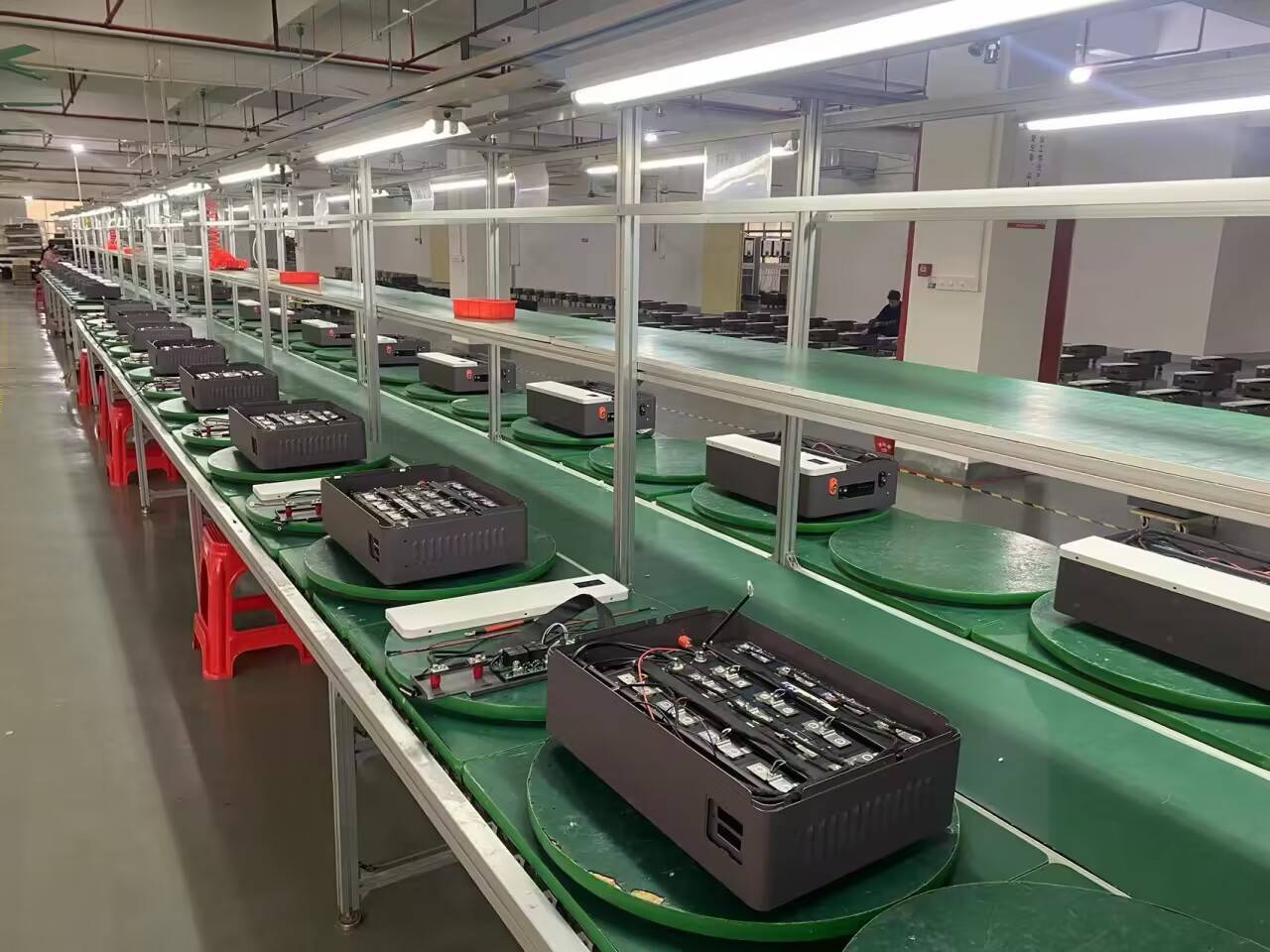
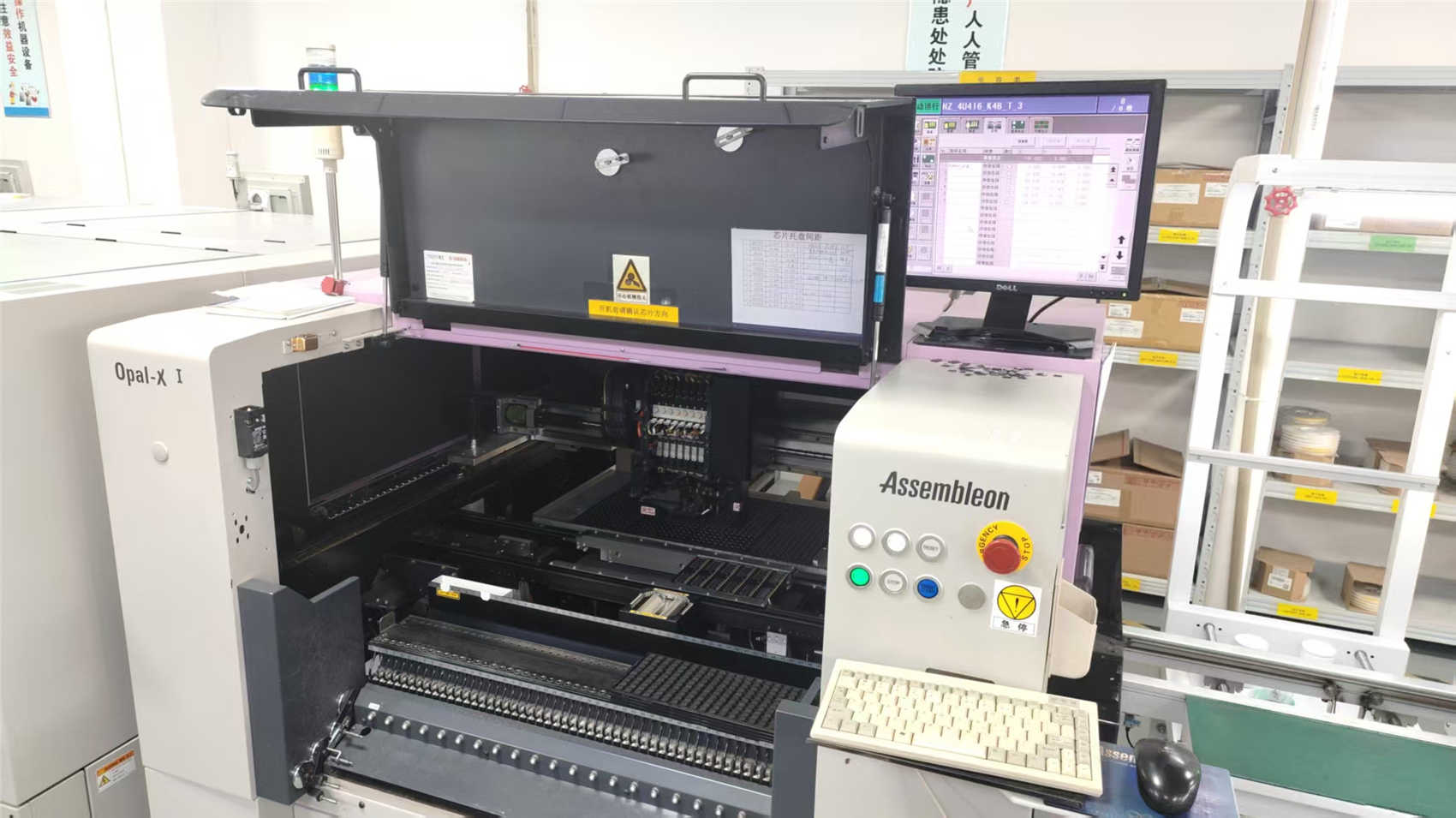
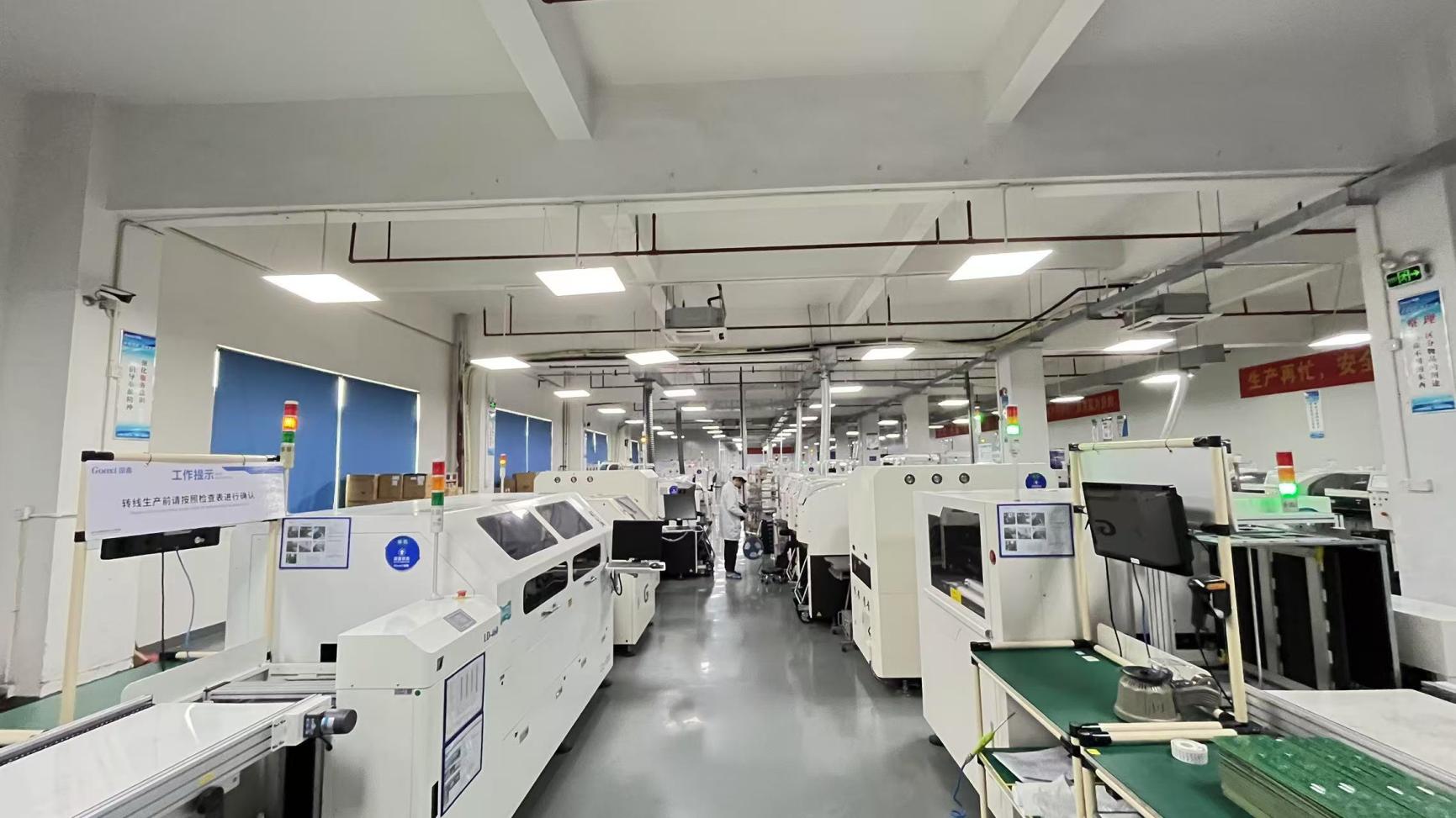
A look inside the manufacturing facilities and core capabilities of NexoraGPU.
Founded in 2017, Nexora Intelligent Technology Co., Ltd. (brand: NexoraGPU) is a specialized manufacturer focused on high-performance GPU servers, AI computing systems, HPC clusters, storage systems, and custom data center infrastructure. Based in a modern 386㎡ production facility, Nexora provides scalable, high-performance computing platforms designed for corporations, AI startups, research labs, universities, and cloud hosts worldwide.
With 9 years of industry experience and 6 years of export history, NexoraGPU has built a strong reputation in the global computing space, generating over US$18 million in annual export revenue across North America, Europe, Southeast Asia, the Middle East, and South America.
Every server built undergoes rigorous testing, managed by a dedicated team of 42 quality control personnel. Testing includes complete component checking, system burn-in tests, thermal verification, power stability tests, and software compatibility checks to ensure reliable operation under continuous compute loads.

Detailed answers to common questions about server migration, component compatibility, and global procurement logistics.
High-density computing nodes, memory upgrades, and high-performance server options to support critical systems relocation.