NexoraGPU
NexoraGPU
NexoraGPU
The enterprise ecosystem has transitioned from post-hoc business intelligence (BI) to real-time predictive analytics and deep learning architectures. Large scale analytics software platforms—ranging from cloud data lakes like Snowflake and Databricks to specialized AI execution frameworks—now demand computational horsepower that traditional storage systems cannot deliver. The hardware-software paradigm has officially converged; optimization of modern data algorithms is intrinsically tied to bare-metal compute density.
As organizations integrate complex models (such as large language models, computer vision pipelines, and multivariate sensor regression systems) into their operational loops, data processing pipelines encounter major network and disk performance bottlenecks. The capability to ingest, normalize, and execute analytical models across petabytes of structured and unstructured information is the defining factor of modern industrial competitiveness. High-performance servers with multi-socket processing, low-latency NVMe arrays, and dedicated GPU nodes form the backbone of this transformation.
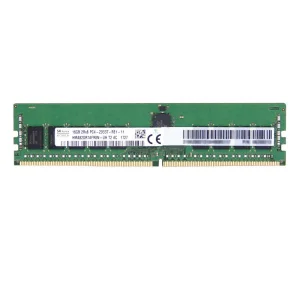
Software efficiency relies on matching execution workloads to core physical architectures. In-memory data lakes require high-bandwidth DDR4/DDR5 system memory, while deep learning models depend on high-density GPU acceleration to parallelize calculations. Without scalable processing power, advanced software cannot achieve its potential.
Analytical queries require microsecond latency. Transitioning workloads to high-speed system memory pools drastically reduces read/write bottlenecks inherent to legacy storage media.
Enterprises now balance on-premise compute nodes with public cloud interfaces to handle processing loads efficiently while maintaining secure data governance.
Deploying analytical processing directly at edge sensors minimizes latency for time-critical deployments, from industrial assembly lines to smart grid networks.
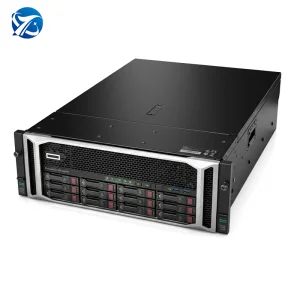
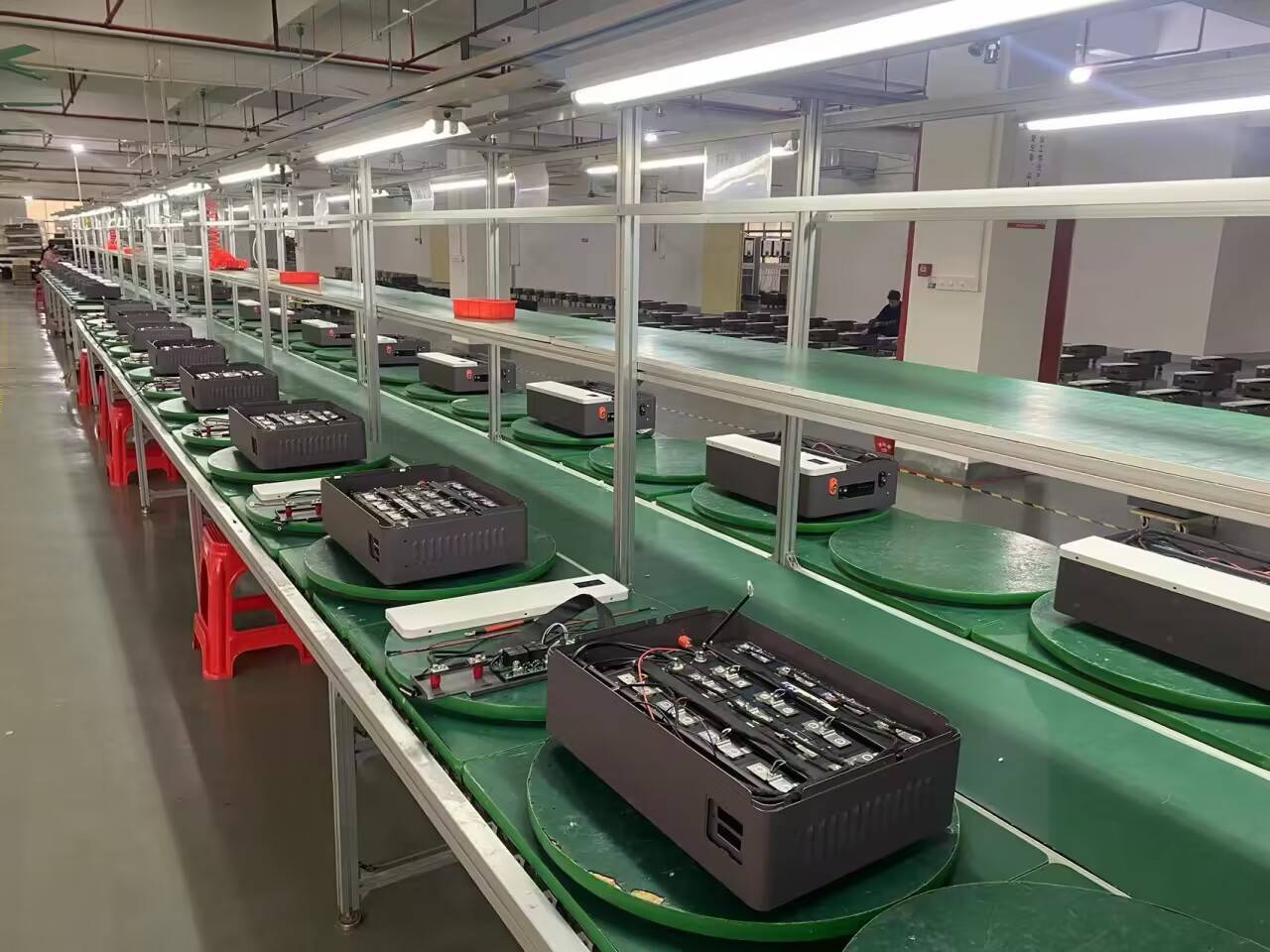
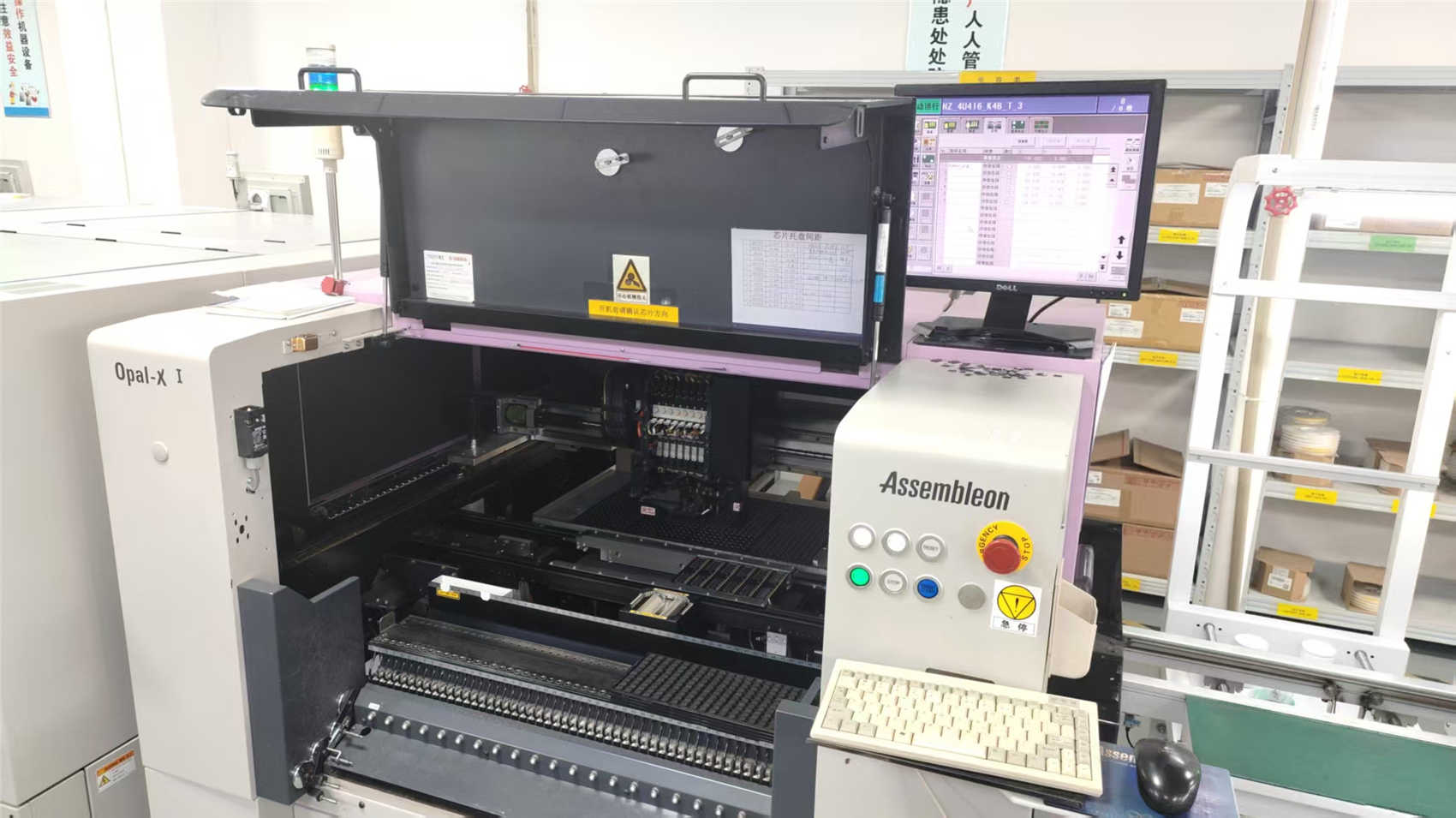
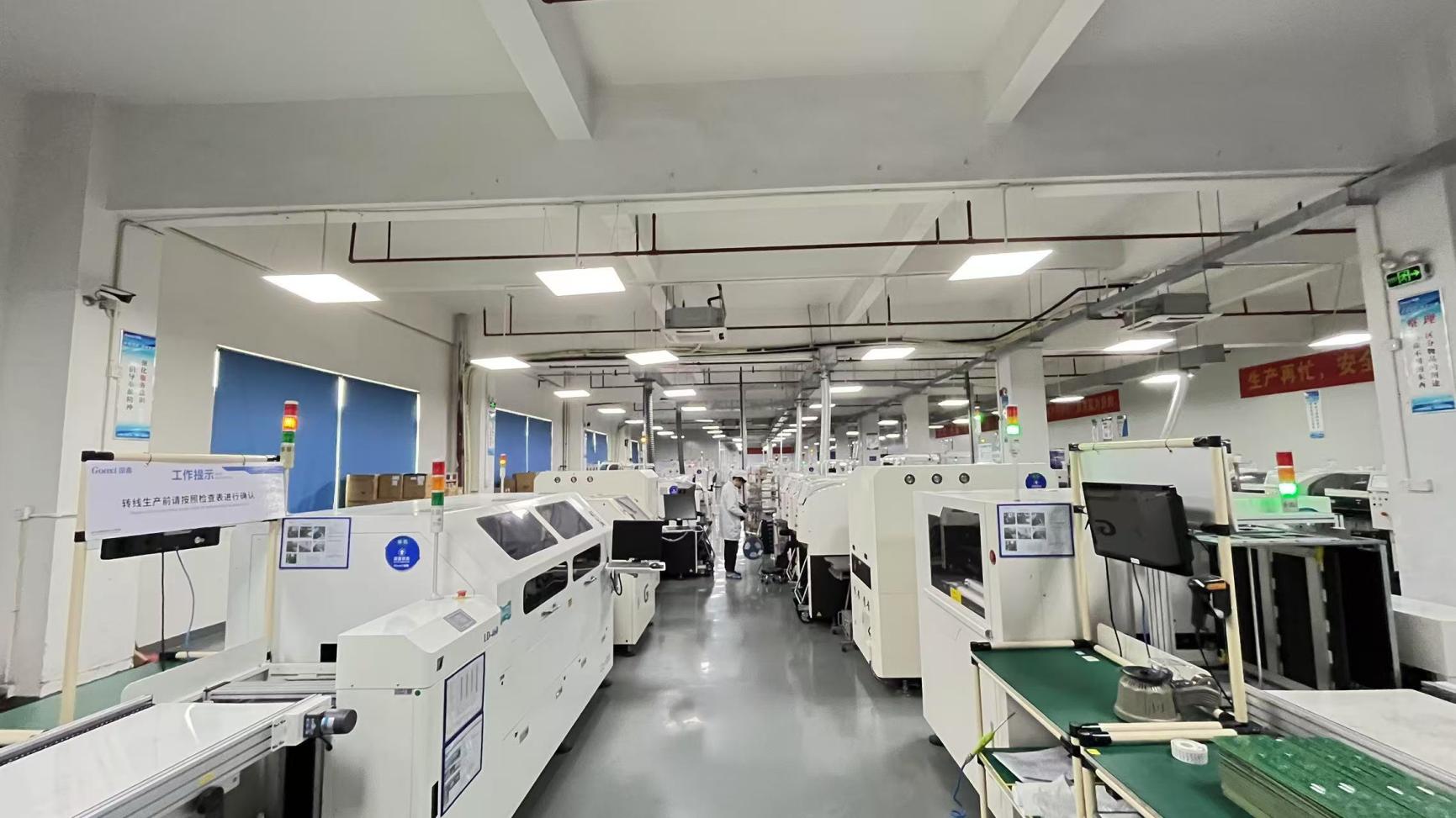
Founded in 2017, Nexora Intelligent Technology Co., Ltd. (operating globally under the premier brand NexoraGPU) is a certified manufacturer specializing in high-performance GPU servers, AI computing systems, high-performance computing (HPC) clusters, rackmount enterprise servers, and tailored storage solutions for the modern analytics age. From our state-of-the-art 386㎡ testing and hardware optimization facility, we assemble, configure, and benchmark advanced computing systems tailored for data processing.
Backed by 9 years of server architecture experience and 6 years of global export operations, NexoraGPU serves a global market across North America, Europe, Southeast Asia, the Middle East, and South America. With an annual export volume exceeding US$18 million, our systems form the foundational processing layers for AI startups, scientific research institutions, universities, and enterprise cloud centers.
We maintain a rigorous quality assurance and systems verification infrastructure, run by 42 dedicated QC engineers. Each rackmount server undergoes comprehensive burn-in testing, thermal profile scanning, voltage deviation checks, and software compatibility validations using actual industrial databases to guarantee field reliability and continuous uptime.
| Operational Metric | Specification / Capability |
|---|---|
| Founding Year | 2017 (9 years industry experience) | Testing Facility Area | 386㎡ specialized validation lab |
| R&D Engineering Team | 128 specialists in server mechanics, thermal design, & HPC |
| Supply Chain Network | 1,250+ certified component and hardware partners |
| Quality Control Staff | 42 professional inspectors conducting 100% functional stress tests |
| Annual Export Revenue | Exceeding US$18 Million globally |
| New Products (Last Year) | 86 innovative systems (AI servers, storage, edge nodes) |

High-frequency market analysis requires minimal network latency and ultra-fast memory throughput to process pricing feeds and execute risk calculations in real time.
Ingests millions of telemetry updates per second from physical plant machinery, using anomaly detection algorithms to predict component failure and optimize maintenance cycles.
Processes large-scale genetic sequencing datasets and patient data pipelines, utilizing dedicated GPU acceleration to speed up clinical discoveries.
Monitors urban traffic flow and communication networks, analyzing real-time data at edge installations to dynamically adjust routing and maximize resource usage.
The next phase of analytical processing centers on heterogeneous computing, blending CPUs, GPUs, and custom ASICs to handle complex data workloads. As computational requirements rise, system efficiency depends on deep optimization between processing units and data pathways. The physical limit of traditional silicon has driven the industry toward highly parallel architectures where tasks are assigned to the most efficient chip type.
Additionally, the emergence of localized inference networks (such as DeepSeek and customized private models) requires computing systems to balance low-latency execution with high energy efficiency. Future datacenters will move away from homogeneous CPU pools toward modular, liquid-cooled server racks capable of handling high thermal loads. NexoraGPU is designing systems to meet these demands, offering flexible configurations that support high-density NVMe storage arrays and efficient power delivery.
Integrating high-speed PCIe 5.0 lines to unify communication between accelerators and storage drives, eliminating data delivery delays.
Deploying optimized BIOS and system microcode specifically tuned to run low-latency local inference models on enterprise servers.
Transitioning high-density server configurations to liquid-to-air cooling options, lowering datacenter PUE to meet efficiency standards.