NexoraGPU
NexoraGPU
NexoraGPU
Low-latency hardware solutions engineered for high-fidelity spatial computations, real-time SLAM algorithms, and Cloud XR rendering.
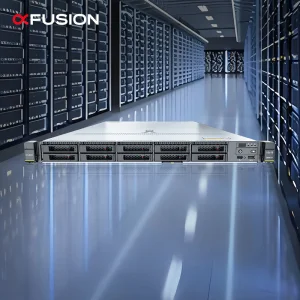
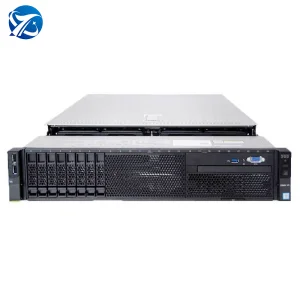
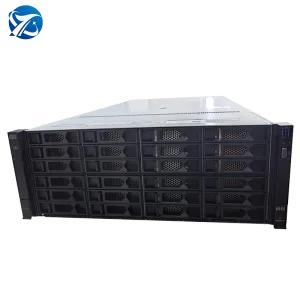
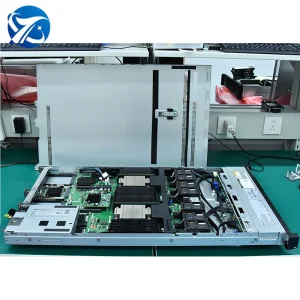
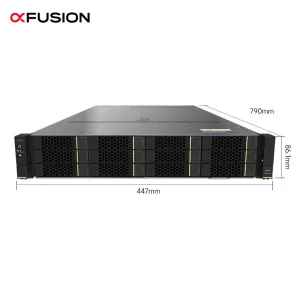
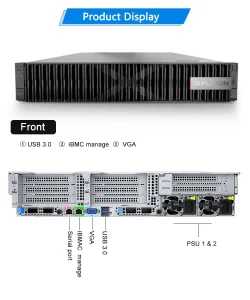
Nexora Intelligent Technology Co., Ltd. (operating globally under the premier brand NexoraGPU) is a specialized, industry-leading OEM & ODM manufacturer focusing on high-performance GPU servers, AI compute infrastructure, and storage architectures that underpin today's spatial computing technologies. Founded in 2017, our development footprint spans nearly a decade, during which we have scaled our operations to support system integrators, AR developers, and AI startups worldwide.
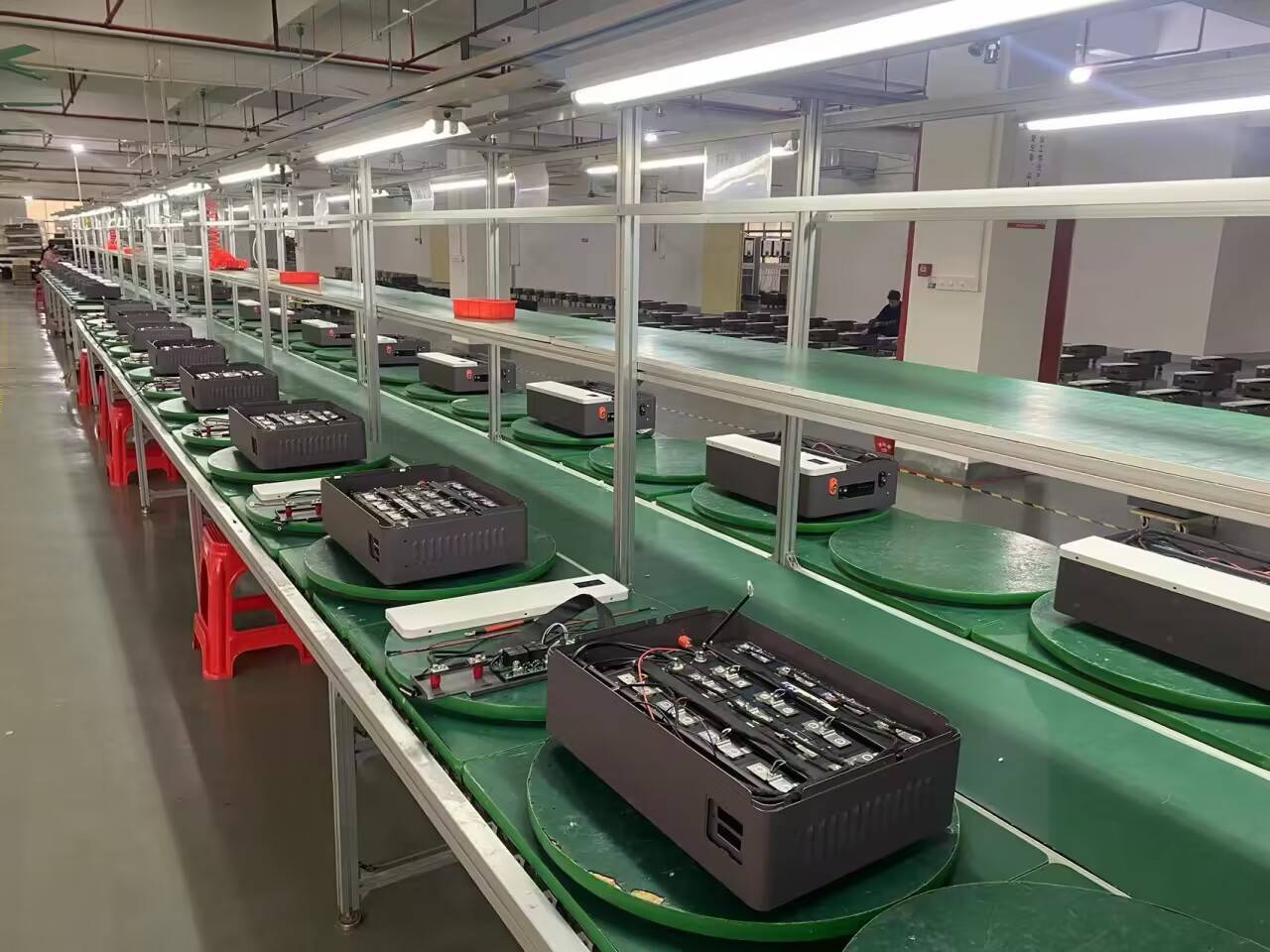
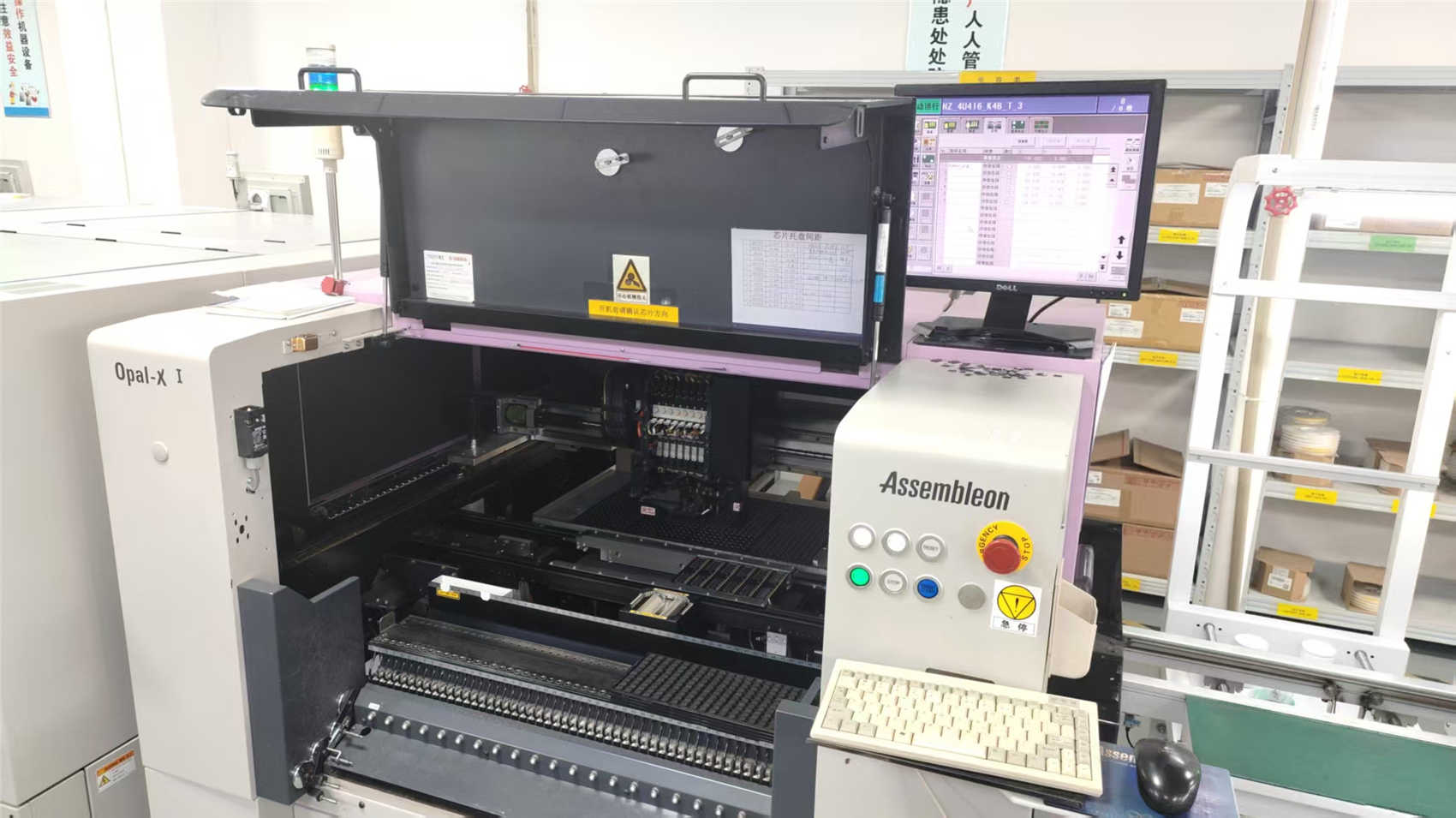
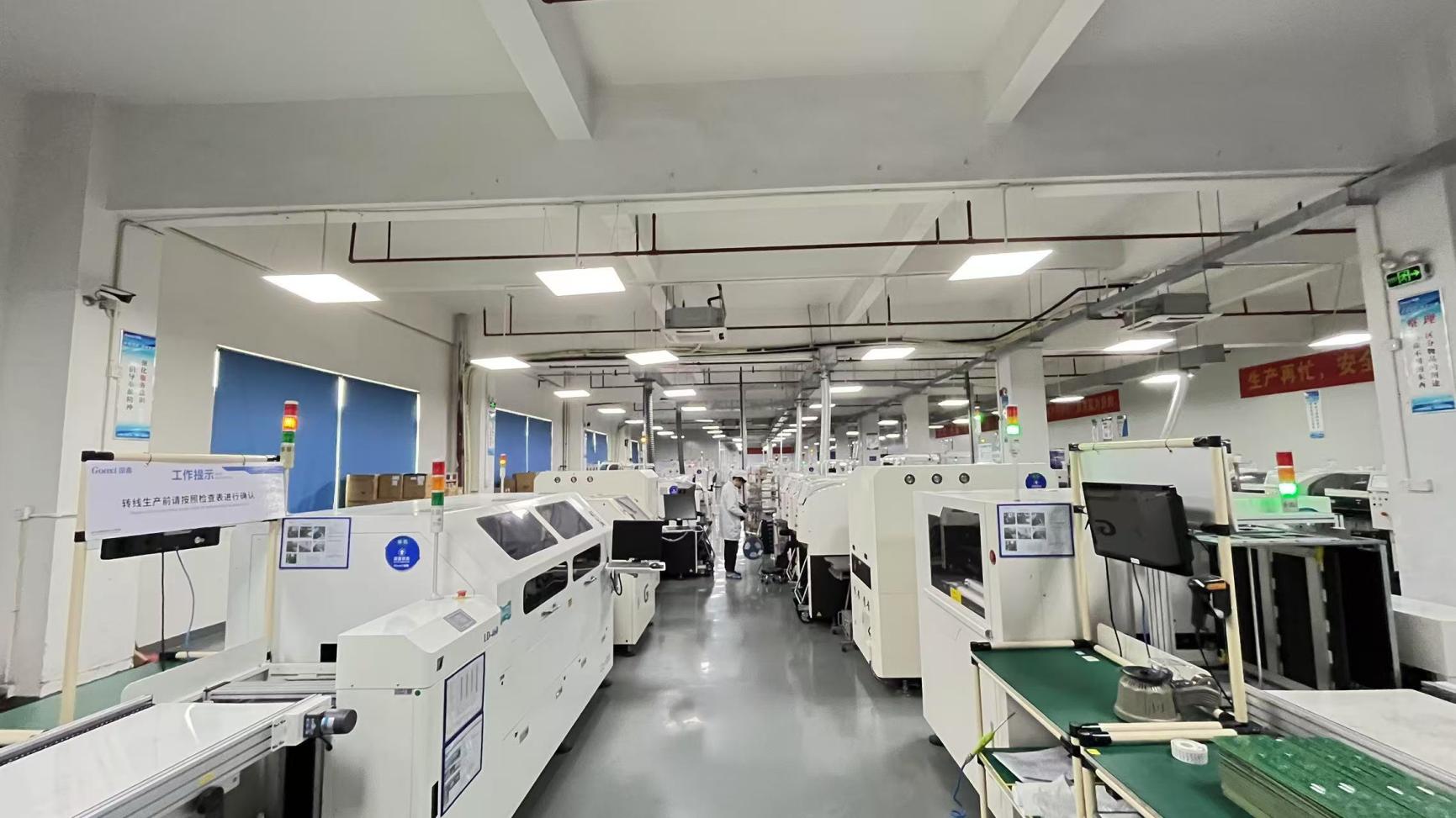
With 9 years of industry experience and 6 years of global export experience, our mission is to supply robust computing nodes that process high-fidelity spatial data and complex computer vision workloads. We manage a modern, high-precision manufacturing space of 386㎡ and utilize a rigorous testing and validation protocol enforced by 42 quality control professionals to ensure every piece of hardware delivers continuous, mission-critical uptime.
Our core competence lies in bridging hardware fabrication with custom architectural engineering. Whether deploying large-scale rendering clusters for cloud-based Augmented Reality applications or designing localized high-bandwidth NAS solutions, our engineering team works alongside global procurers to ensure maximum system compatibility and power efficiency.

How NexoraGPU architectures are addressing the critical compute requirements of modern Augmented Reality, CloudXR, and real-time spatial processing.
Real-time AR applications require rendering pipelines that keep end-to-end latency below 20 milliseconds to prevent motion sickness. NexoraGPU custom server architectures implement direct PCIe Gen 5 channels linking processing units with high-speed network interfaces, allowing sub-frame cloud rendering and instant streaming of complex 3D assets to mobile head-mounted displays.
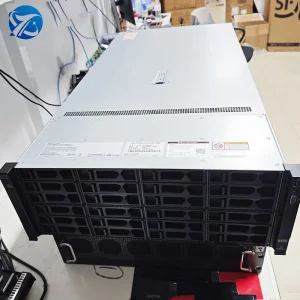
Simultaneous Localization and Mapping (SLAM) requires continuous processing of multi-spectral sensor feeds. Our rack servers deliver massive parallel processing capacities needed to compile dense depth maps, compute spatial geometries, and align digital visual overlays with the physical world in real-time.
To populate the spatial web, generative AI systems must dynamically construct interactive 3D assets. By utilizing NexoraGPU computing clusters equipped with high-bandwidth memory (HBM) and multi-node interconnects, enterprise users can run generative algorithms that produce assets on-the-fly based on contextual environmental cues.
Deploying robust physical compute structures to drive digital twins, guided assembly, medical visualizations, and interactive environments.
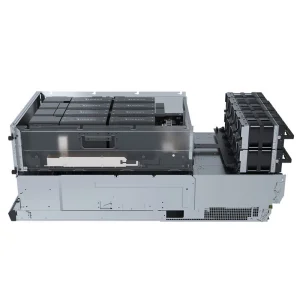
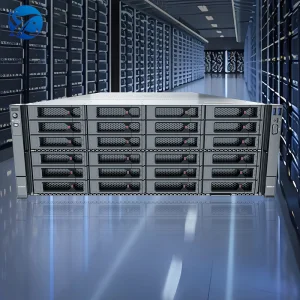
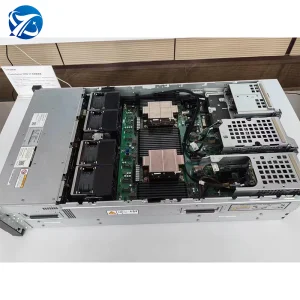
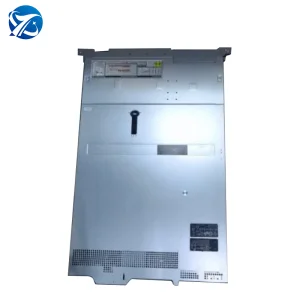
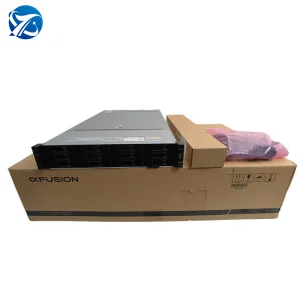
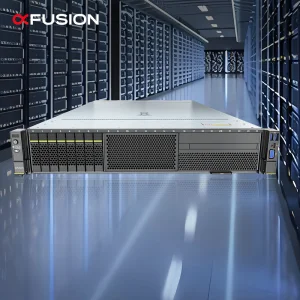
Modern manufacturing plants deploy AR to overlay step-by-step assembly guides, highlight dynamic metrics on heavy machinery, and run safety simulations. The computing infrastructure behind these systems relies on edge servers like the xFusion FusionServer series, which process local sensor inputs and serve interactive graphics directly to technicians' visors with zero dependency on external cloud networks.
In surgical theaters, precision is paramount. Pre-operative CT scans and real-time volumetric feeds are processed into 3D spatial models that surgeons interact with during operations. NexoraGPU high-reliability servers supply the raw computing power needed to translate raw anatomical coordinates into spatial graphics instantly, minimizing risk and enhancing clinical precision.
Global engineering teams use collaborative digital workspaces to design complex products. By projecting 3D virtual mockups across geographical boundaries, organizations save millions in physical prototyping costs. These shared experiences require centralized database and compute platforms capable of synchronizing position data and graphics across multiple global endpoints simultaneously.
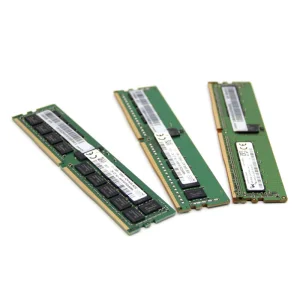
The production facility of Nexora Intelligent Technology is situated at the epicenter of the global hardware manufacturing network. Through partnerships with over 1,250 verified component providers, we maintain a highly resilient supply chain that mitigates raw material delays. This expansive ecosystem grants us first-access to memory modules, high-efficiency power supplies, and structural components.
We manage a dedicated team of 128 expert engineers who continuously refine our server architectures. Last year alone, our hardware and cooling designs culminated in the successful launch of 86 new products, catering to next-generation AI and edge spatial applications. By integrating automated testing protocols with high-speed assembly configurations, we deliver highly customized hardware solutions rapidly without compromising quality.
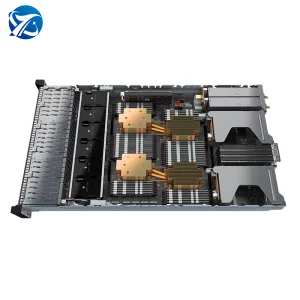
Each server we manufacture is built to withstand demanding industrial environments. Our thermal management solutions, customized fan profiles, and redundant power configurations are designed to optimize air-flow, decrease power draw, and guarantee operational integrity over multi-year cycles.
Meeting international export standards, compliance regulations, and localized support workflows.
We navigate the regulatory framework of international trade. All exported servers are certified to meet CE, FCC, RoHS, and UL standards where applicable. We ensure all equipment is marked and documented to guarantee seamless import and clearance through global customs networks.
We supply drop-tested packaging solutions designed to protect delicate hardware during long-distance transit. Each unit is wrapped in anti-static materials, enclosed in custom-molded high-density foam, and packed within heavy-duty double-wall corrugated shipping boxes.
Our global support network assists client engineering departments. We provide customized firmware configurations, localized manual translations, remote configuration assistance, and spare parts supply lines to guarantee short turnaround times for global maintenance needs.
Deep answers regarding custom configurations, spatial computing rendering demands, and order execution.
Deploy enterprise-grade servers to handle complex datasets, localized database models, and massive computing pipelines.