NexoraGPU
NexoraGPU
NexoraGPU
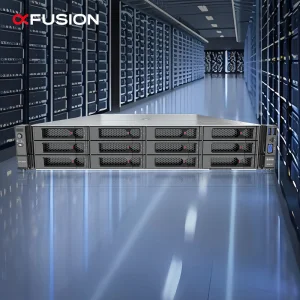
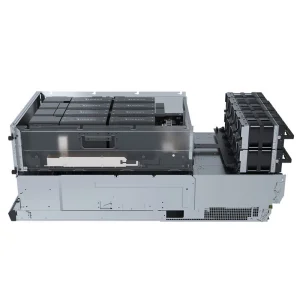
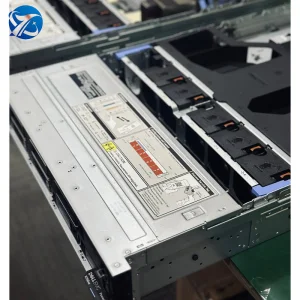
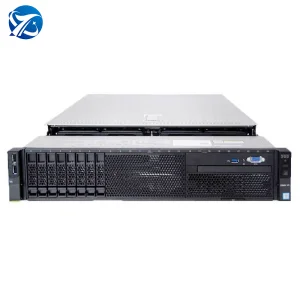
Explore our state-of-the-art server and network infrastructure systems engineered for demanding data center workloads.
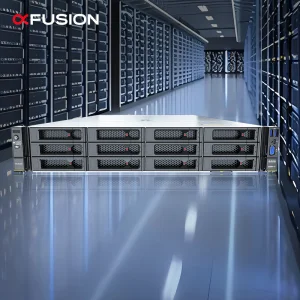
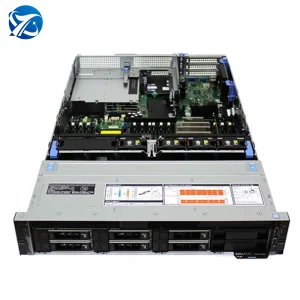
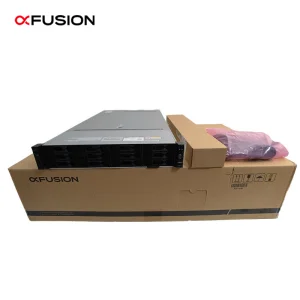
How our advanced network switches are evolving to meet the multi-terabit bandwidth requirements of AI training clusters, distributed storage networks, and modern cloud ecosystems.
We are transitioning to next-generation ASIC architectures that leverage 5nm and 3nm process nodes. By integrating ultra-low latency pipelines and deep packet buffers, our upcoming switches support up to 51.2 Tbps of non-blocking switching capacity per single chip.
Recognizing the massive deployment of distributed GPU servers (such as DeepSeek and LLM infrastructure), our core roadmap prioritizes the optimization of RoCE v2 (RDMA over Converged Ethernet). This enables sub-microsecond latency and zero packet loss through hardware-driven PFC (Priority Flow Control).
To overcome physical space and thermal density limits, we are investing in CPO architectures. By bringing silicon photonics components closer to the switch ASIC, we cut interconnect power consumption by up to 30% while drastically increasing transceiver density.
An analysis of network architecture requirements across high-tech environments.
"In the era of massive distributed AI models, the network switch is no longer just a passive data courier. It is the core arbiter of performance. A bottleneck in the switch fabric can drop training efficiency by up to 45% due to GPU synchronization delays." — Senior Network Architect, NexoraGPU
In financial trading hubs (New York, London, Tokyo), microseconds determine profitability. Traditional standard Ethernet switches suffer from queue congestion and non-deterministic latency. Ultra-low latency switches featuring L1/L2 cut-through architectures bypass the deep processing cycles of standard networking software, executing packet forwarding within nanoseconds. Nexora's switch engineering supports specialized queuing mechanisms designed to maintain strict priority rules for high-value transactional data packets.
Industrial assembly lines, mining operations, and energy grids require continuous performance in harsh environments. Standard data center switches fail under thermal shock, humidity, and electromagnetic interference. Industrial-grade DIN-rail switches are constructed with fanless thermal designs, IP40/IP67 chassis ratings, and wide operating temperature tolerances (-40°C to +85°C). They support redundant ring topologies (like ERPS) to guarantee network recovery times of under 20ms during fiber-cut incidents.
Modern workloads demand horizontal scalability. Traditional 3-tier networking architectures are being replaced by high-density 2-tier Leaf-Spine fabrics. Spine switches serve as the central backbone, while Leaf switches connect directly to high-compute GPU systems. Using equal-cost multi-path (ECMP) routing, traffic is distributed across all available links. This structure minimizes latency jitter and optimizes the high bandwidth needed for large language model (LLM) training.
| Switch Class | Primary Scenarios | Bandwidth Range | Latency Profiles | Key Features |
|---|---|---|---|---|
| Enterprise Access | Campus, Office Networks, CCTV | 1 Gbps - 10 Gbps | 10ms - 20ms | PoE++ (up to 90W), VLAN support, ease of config |
| Industrial Edge | Smart Factories, IIoT, Substations | 100 Mbps - 10 Gbps | < 5ms | IP40 metal shell, DIN-Rail, Wide Temp, ERPS Ring |
| Data Center Spine | AI Compute Clusters, Hyperscale Cloud | 100 Gbps - 800 Gbps | < 1.2µs (Cut-Through) | RoCE v2, PFC, ECN, Deep Packet Buffer, EVPN-VXLAN |
Why global enterprises trust Chinese manufacturing infrastructure for scalability, speed, and strict quality control standards.
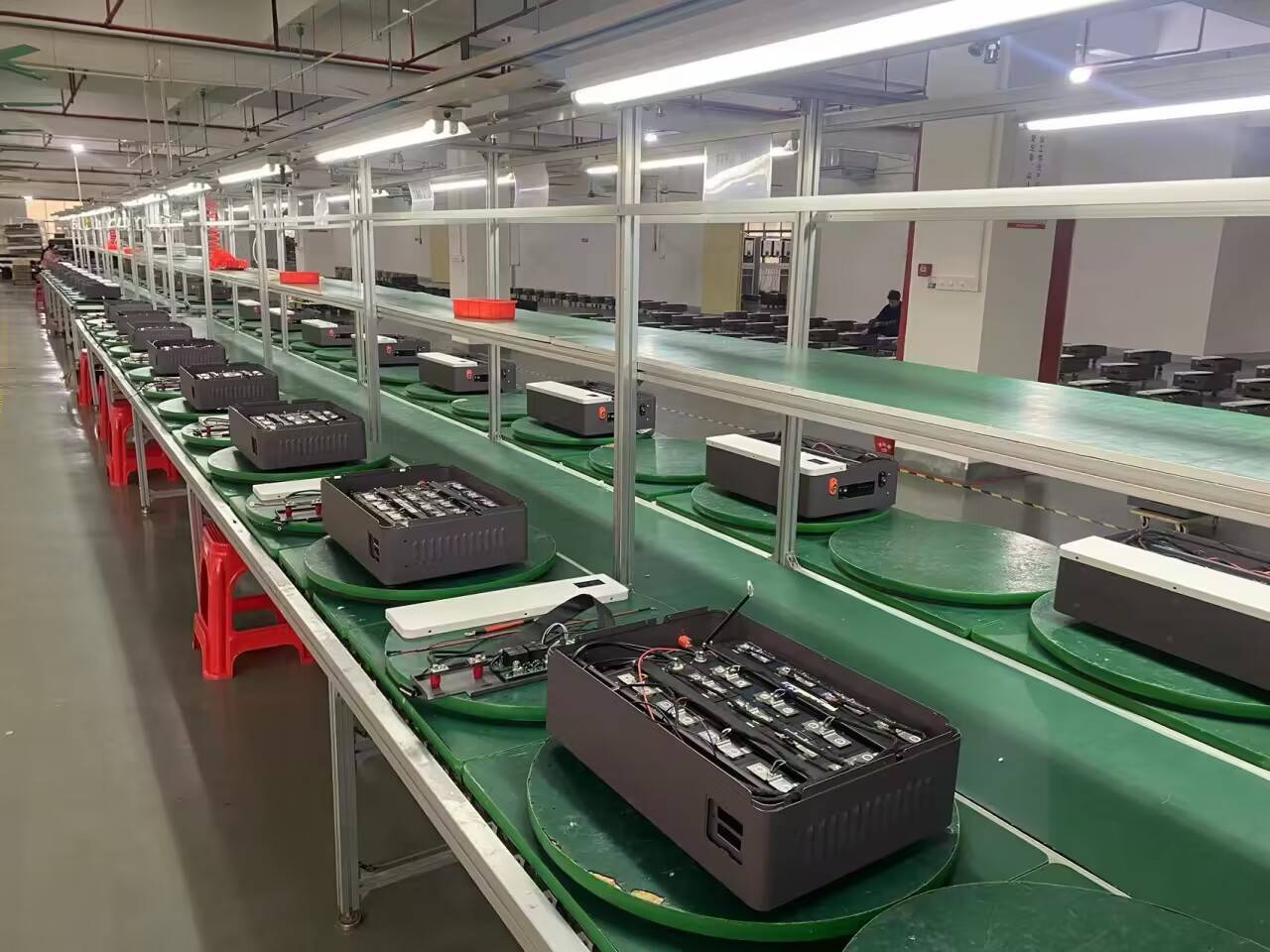
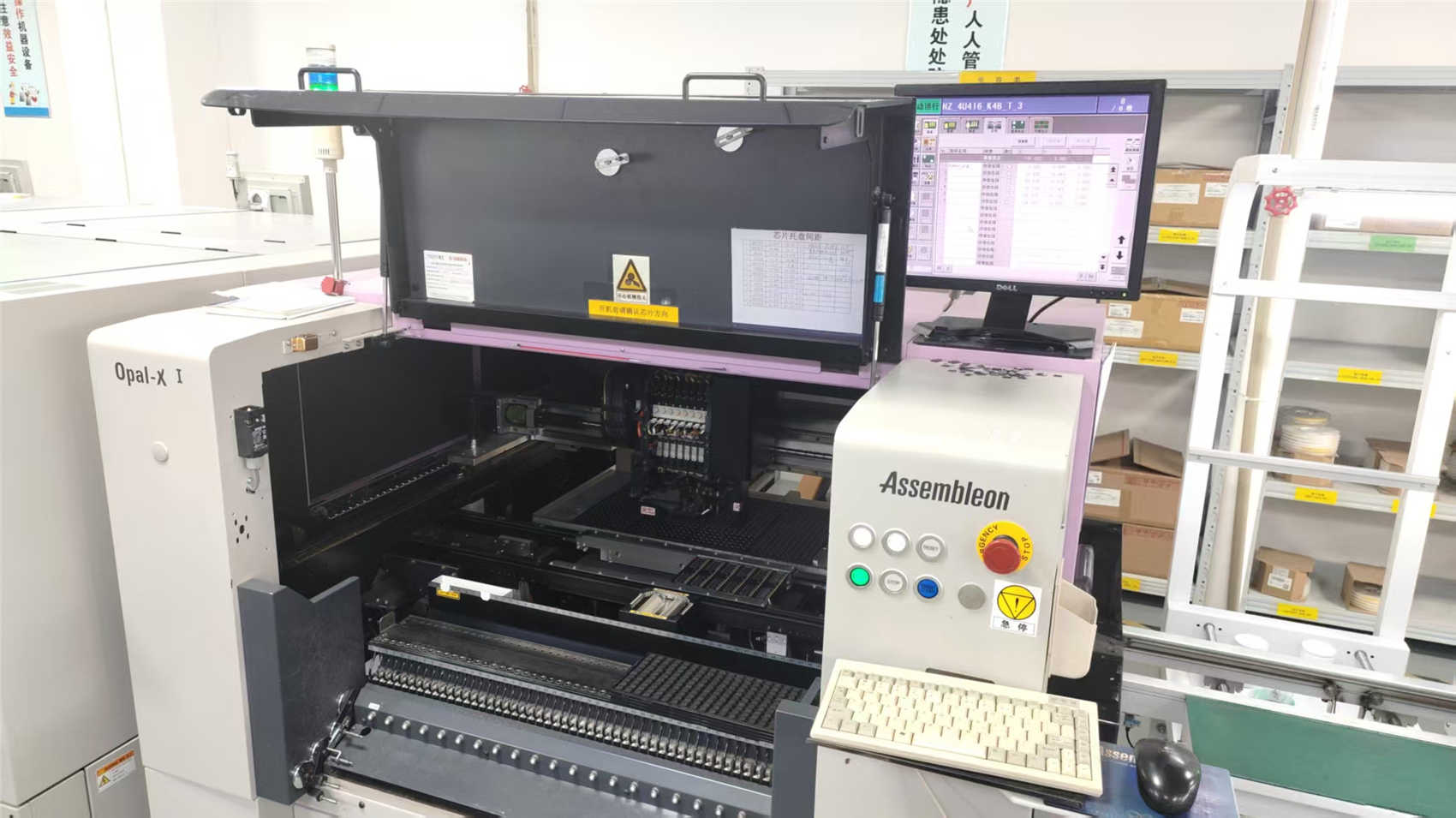
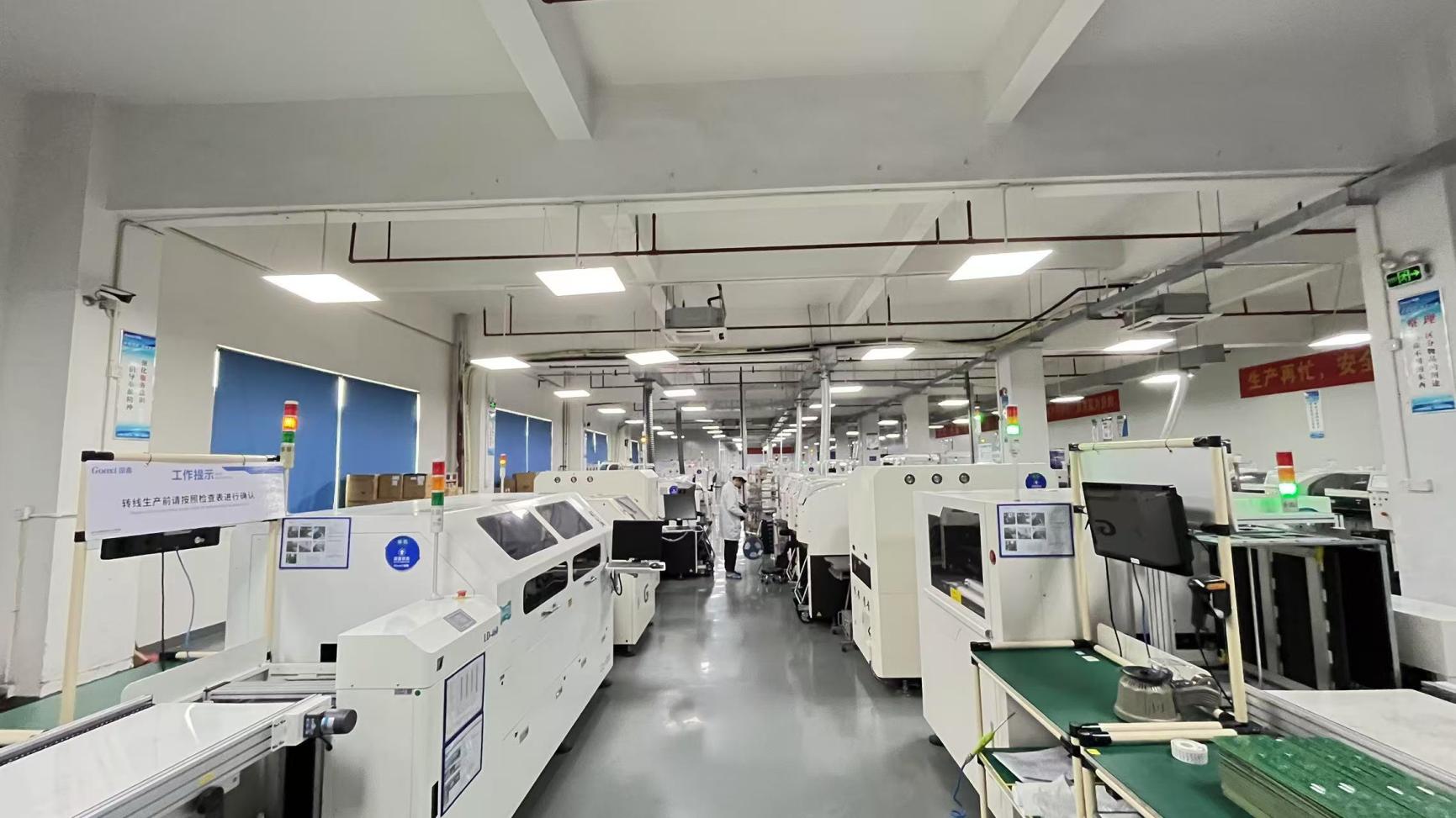
As a leading OEM/ODM exporter with years of industry experience, Nexora Intelligent Technology Co., Ltd. (NexoraGPU) leverages a robust production ecosystem. With over 1,250 verified supply chain partners, we manage raw materials, high-speed PCBs, multi-layered substrates, and specialized transceivers without the bottlenecks common in smaller manufacturing networks.
Our quality management workflow is managed by 42 dedicated QC engineers. Each switch and server chassis goes through a rigorous testing process before it leaves our facility:
This systematic testing process helps maintain a low return rate (under 0.12% globally), ensuring our products deliver reliable long-term performance.

Deploy with confidence. Nexora products are certified to meet international safety and environmental regulations.
Operating in global markets requires compliance with local standards. All NexoraGPU networking products are certified under major regulatory frameworks:
Our systems comply with CE, FCC, RoHS, UL, and VCCI standards. This ensures that power systems, electromagnetic radiation levels, and raw materials meet the environmental and safety guidelines required for import and installation in North America, Europe, and Asia.
We work with regional service centers to offer localized technical support. This includes fast hardware replacement services, 24/7 engineer consulting lines, and custom firmware updates designed to minimize system downtime.
Answers to technical and commercial questions about our enterprise networking switches and GPU server clusters.
High-compute hardware solutions designed for AI model training, storage management, and data center expansion.