NexoraGPU
NexoraGPU
NexoraGPU
Accelerated execution engines and enterprise host solutions configured for scalable data architecture.
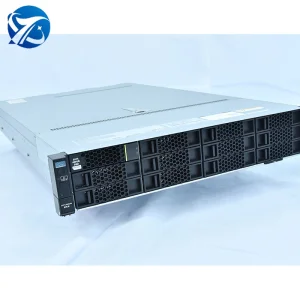
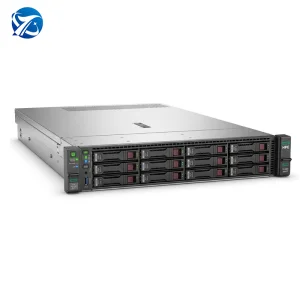
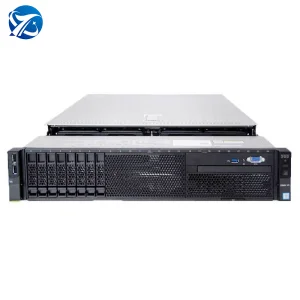
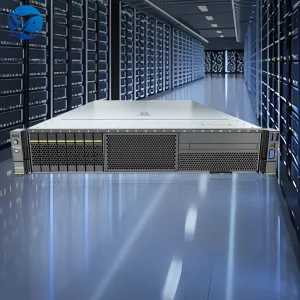
A macro-analytical view of Solid State Drive integration trends across corporate, scientific, and hyperscale environments.
The contemporary enterprise data landscapes demand unprecedented bandwidth, ultra-low latency, and reliable hardware endurance metrics. Solid State Drives (SSDs) have shifted from simple secondary storage media to core architectural assets. The global demands of machine learning workflows, massive distributed computing clusters (such as DeepSeek optimization protocols), and low-latency databases are redefining structural benchmarks.
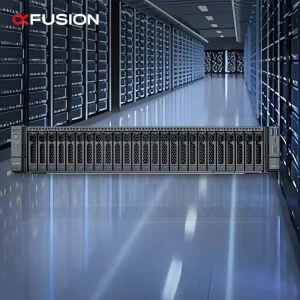
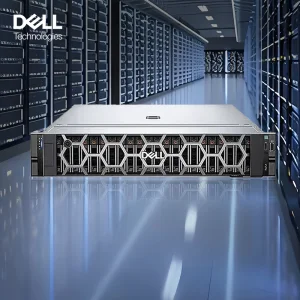
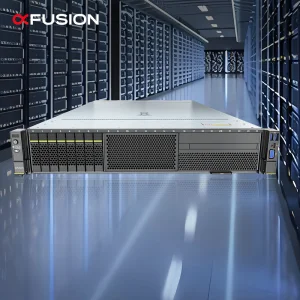
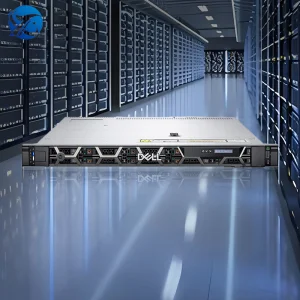
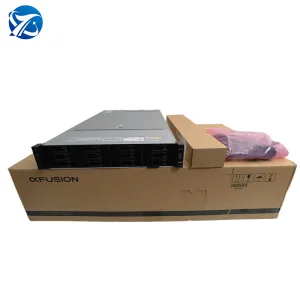
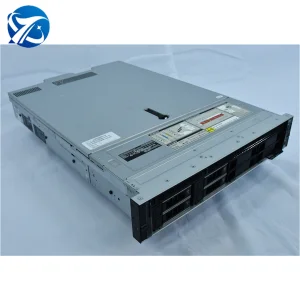
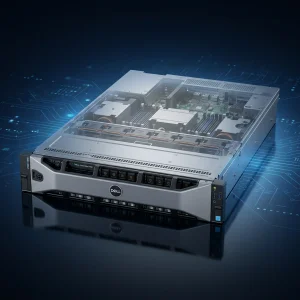
Procuring raw storage today requires assessing parameters beyond capacity. High-level buyers look for specific DWPD (Drive Writes Per Day) ratios, high-performance controller security interfaces, and strict thermal compliance parameters. High-performance enterprise Solid State Drives act as direct bottlenecks or catalysts for complete server setups like the Dell PowerEdge or xFusion computational platforms.
Our role as a leading global SSD exporter focuses on bridging raw Flash component supply chains with highly specialized controller customization, ensuring seamless firmware integrations and maximum total cost of ownership (TCO) optimization.
Delivering high-throughput caching and main memory extension layers to public and private cloud providers with minimal read-write latency.
Engineered to operate in high-vibration, variable-temperature, and remote edge server deployments, mitigating physical system wear.
Providing the critical low-latency hardware foundation necessary to execute concurrent database inquiries and real-time operations.
Nexora Intelligent Technology Co., Ltd. (NexoraGPU) — Powering High-Performance Systems & Flash Memory Deployment.
Founded in 2017, Nexora Intelligent Technology Co., Ltd. (Brand: NexoraGPU) stands at the forefront of computational manufacturing. We specialize in high-performance GPU servers, advanced storage servers, custom AI computing platforms, and high-density datacenter infrastructure.
Equipped with a modern 386㎡ testing, validation, and integration facility, we run customized configurations, component-level validations, and complex stress tests for clients globally. Utilizing 9 years of deep industry expertise coupled with 6 years of global export experience, we maintain a vast footprint across North America, Europe, the Middle East, and APAC.
Our annual export volume exceeds US$18 million, driven by a dedicated network of over 1,250 supply chain partners. This ensures we procure premium NAND flash, state-of-the-art SSD controllers, and high-performance server boards even during tight semiconductor supply periods.
Our internal research, development, and system engineering divisions comprise 128 expert engineers. Their focus centers on server design, hardware compatibility, thermal efficiency under peak computational loads, and customized hardware solutions.
We launched 86 new customized product lines last year, accommodating requests from system integrators, public cloud builders, and scientific groups globally. In terms of strict quality control, we employ 42 professional QC inspectors. They execute rigorous testing procedures, including component inspection, burn-in validation, temperature cycle runs, and complete system testing prior to dispatch.
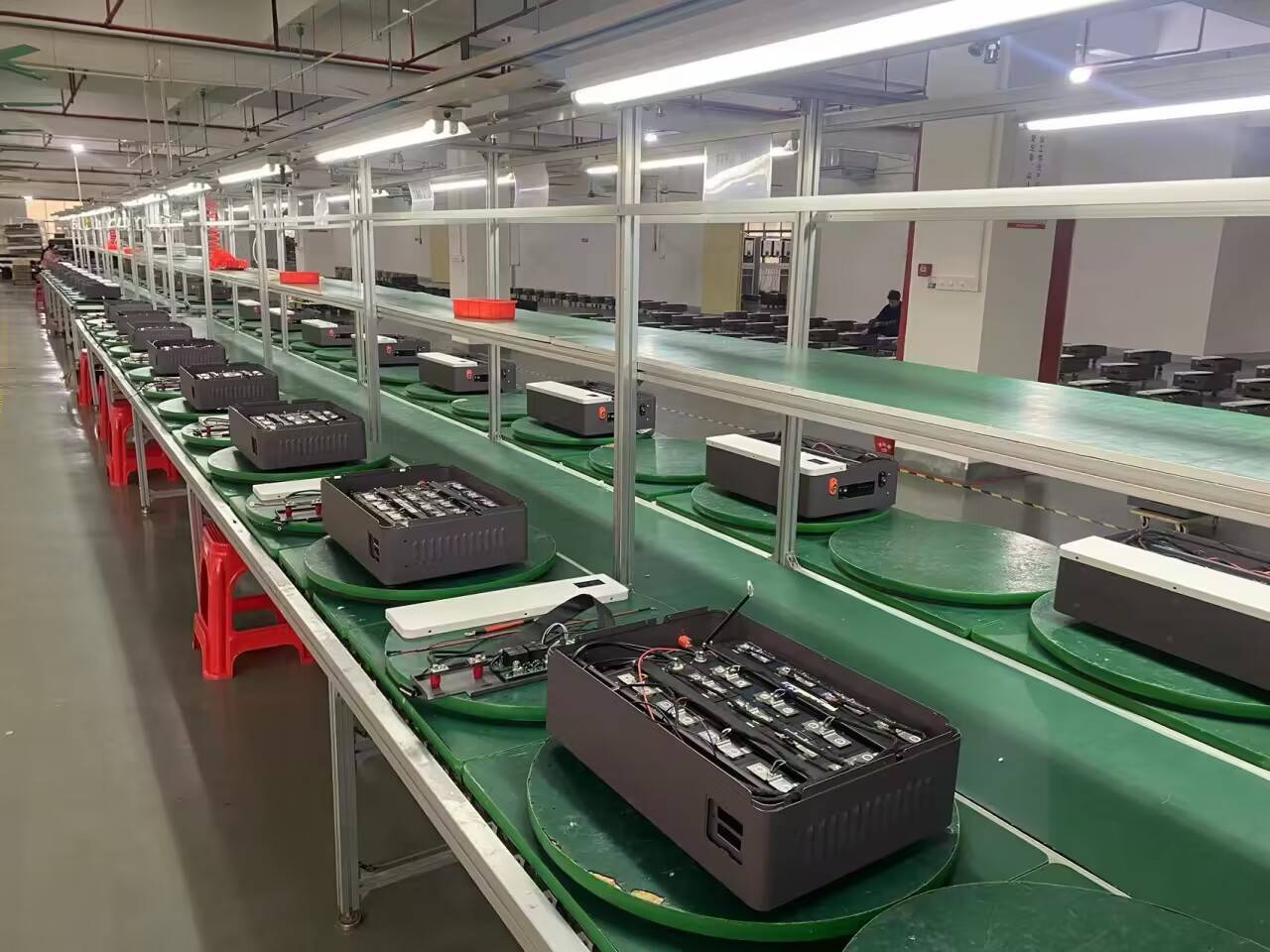

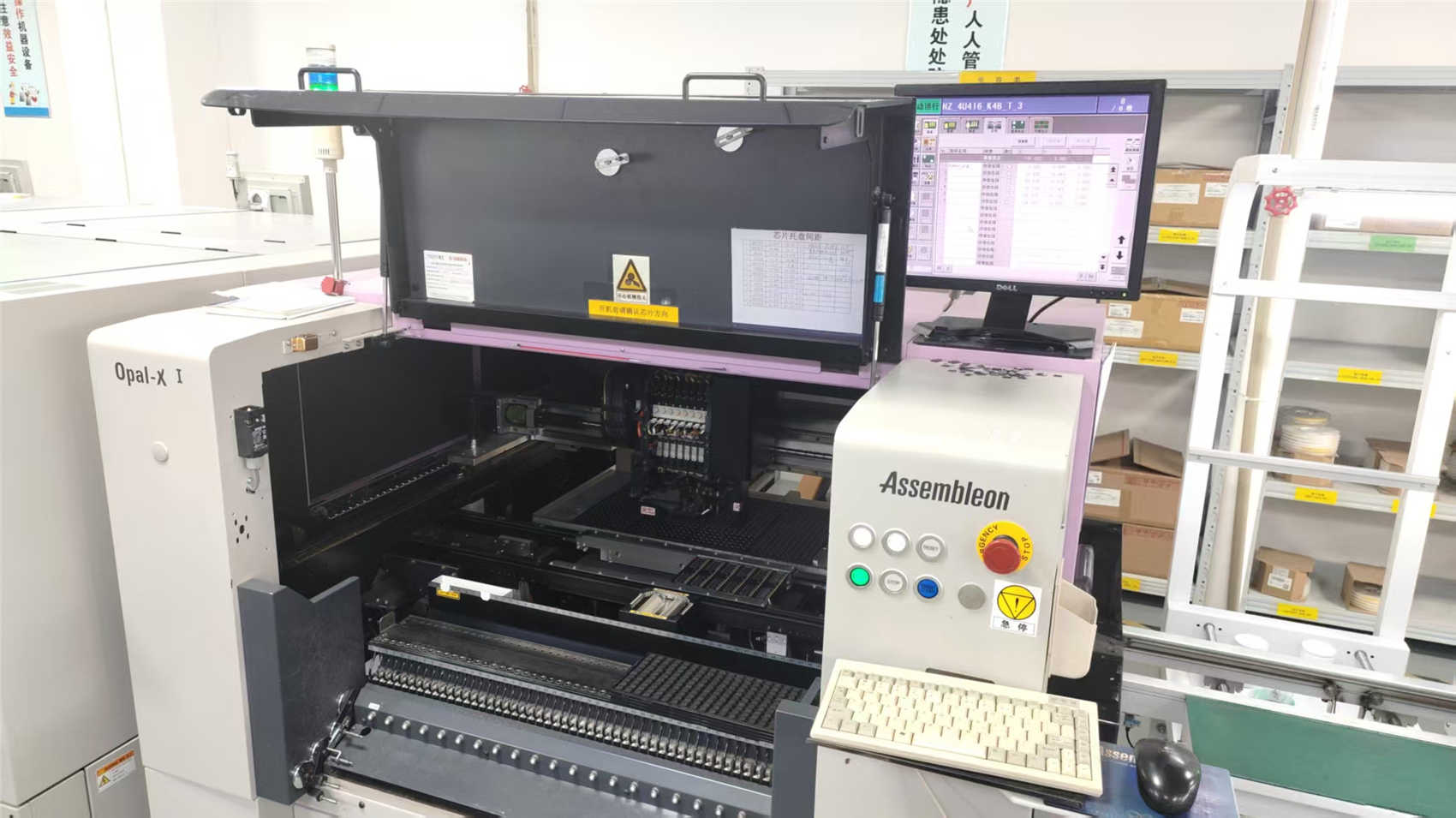
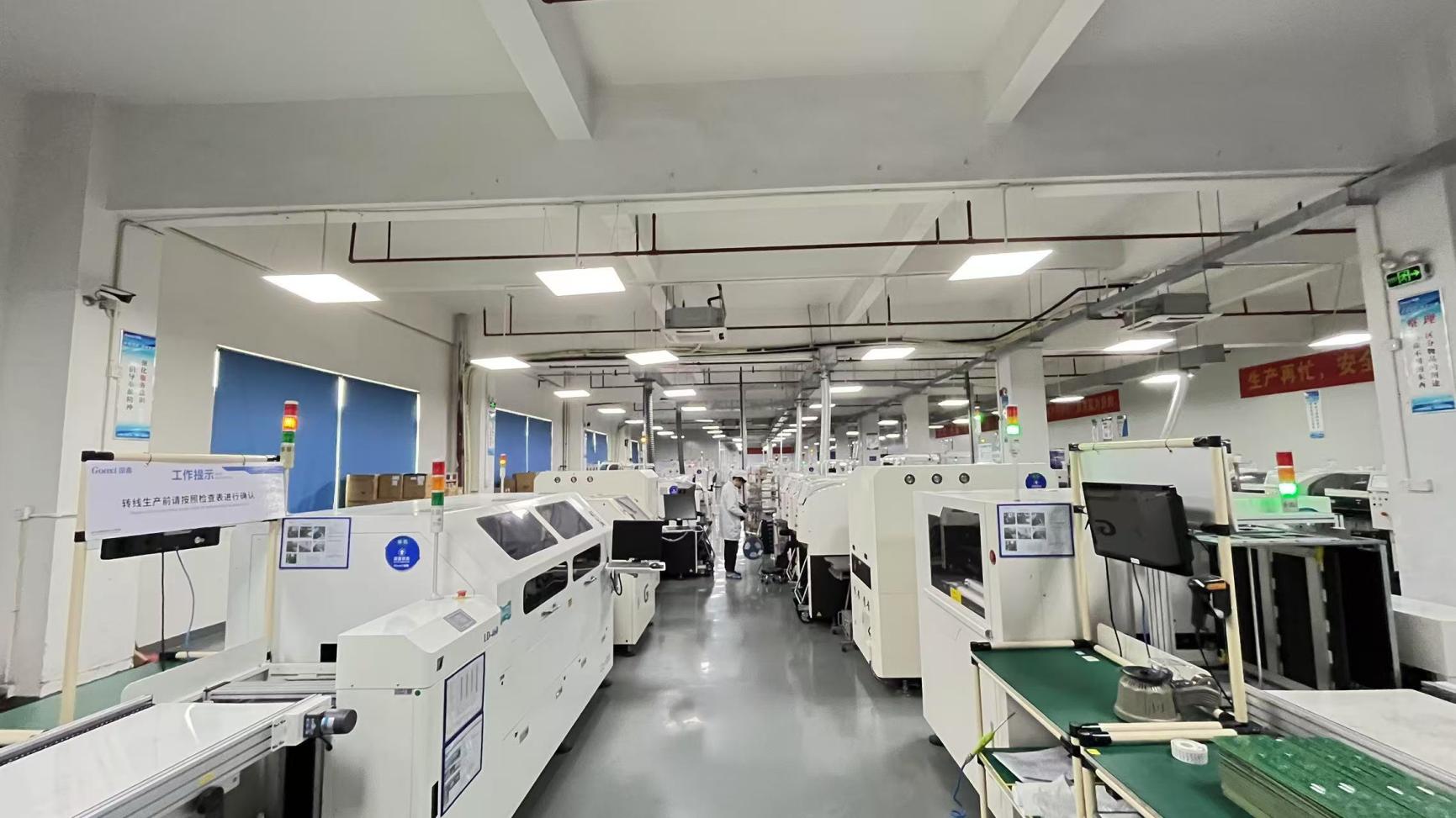
Architectural alignment for modern data centers: Transitioning from SATA legacy to high-throughput NVMe Gen5/Gen6 protocols.
| Performance Parameters | SATA Enterprise (PM893 Class) | NVMe PCIe Gen4 (Enterprise) | NVMe PCIe Gen5 (Next-Gen AI) |
|---|---|---|---|
| Maximum Read Bandwidth | Up to 560 MB/s | Up to 7,400 MB/s | Up to 14,500 MB/s |
| Random 4K Read IOPS | Up to 98,000 | Up to 1,500,000 | Up to 3,000,000 |
| Physical Form Factors | 2.5-inch (7mm) | U.2 / U.3 / M.2 | E1.S / E3.S / U.3 |
| Power Loss Protection (PLP) | Tantalum Capacitors (Hardware-level) | Integrated Polymer Capacitor Arrays | Supercapacitor Arrays (Real-time Flush) |
| Security Protocols | AES-256 Bit Encryption, TCG Enterprise | Self-Encrypting Drive (SED), TCG Opal | FIPS 140-3 Compliance, Secure Boot |
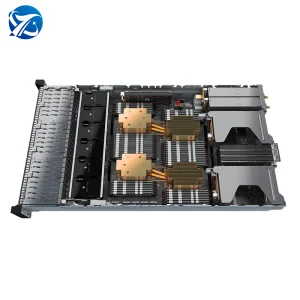
Enterprise system builders should transition their legacy server bays toward unified PCIe Gen5 backplanes. As storage interfaces shift, form factors such as EDSFF (Enterprise and Datacenter SSD Form Factor) like E1.S and E3.S are replacing traditional 2.5-inch U.2 modules. These newer formats offer superior airflow patterns, increased density, and enhanced thermal performance, critical for 2U rack server systems hosting multiple high-heat GPU components.
Nexora Intelligent Technology Co., Ltd. supports this roadmap transition. We align raw SSD controller firmware to work harmoniously with PCIe Gen5 host controllers on Intel Xeon Scalable and AMD EPYC platforms. This helps prevent compute resource limitations and latency spikes during model checkpointing in high-performance computing clusters.
Meeting global trade compliance standards and providing structural validation across industrial compute grids.
Every batch of enterprise-grade storage drives and high-performance server assemblies undergoes a meticulous sequence of hardware tests. This ensures performance stability and compatibility across mixed operating systems.
To facilitate seamless customs clearance and meet international infrastructure standards, Nexora ensures all exported drives and computational racks adhere to local compliance regulations:
Expert answers addressing critical technical concerns in enterprise storage deployment.
Deploy enterprise SATA drives and scalable rack chassis designed to support modern workloads.