NexoraGPU
NexoraGPU
NexoraGPU
High-performance GPU servers configured for autonomous driving simulations, precision automotive CAD/CAE workloads, and DeepSeek AI deep learning workflows.
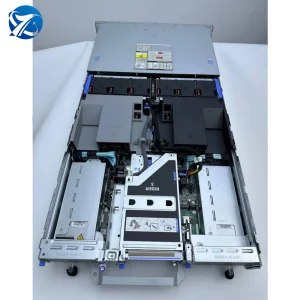
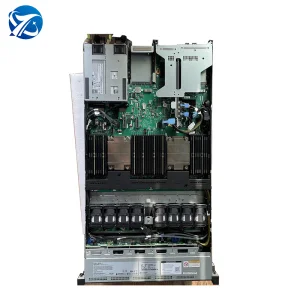
Nagoya, the capital of Aichi Prefecture, stands as Japan's undisputed manufacturing and industrial heartland. Globally renowned for its automotive cluster (headheaded by Toyota Motor Corporation and its sprawling Tier-1 supply chain), the Greater Nagoya area generates over 45 trillion yen in annual industrial shipments. However, a major paradigm shift is underway: the transition from mechanical assembly to Software-Defined Vehicles (SDVs), smart robotics, and automated factory logistics.
This industrial evolution relies heavily on high-performance computing (HPC) and localized GPU power. To sustain leadership, Chubu-based automotive engineering firms, aerospace manufacturers, and Nagoya University's research divisions require immense computational capacity. GPU servers are the primary fuel for these workloads, running multi-modal AI models, synthetic dataset generation for ADAS (Advanced Driver Assistance Systems), and high-fidelity structural fluid dynamics (CAE/CFD) modeling.
Navigating dense multi-GPU fabrics, PCIe Gen5 bottlenecks, and liquid cooling architectures designed to survive Japanese datacenter standards.
Modern workloads demands high-speed interconnects. We customize enterprise-grade GPU architectures utilizing PCIe Gen 5 (offering up to 128GB/s bidirectional bandwidth per slot) and dedicated SXM5 interconnects (NVIDIA NVLink up to 900GB/s) to remove data bottle-necks during massive parameter training.
Nagoya datacenters demand strict energy efficiency. For high-density deployments (e.g., 8-GPU configurations running 700W+ thermal design power per chip), we supply closed-loop direct-to-chip (D2C) liquid cooling plates. For edge-factory environments, we optimize counter-rotating, hot-swappable fan matrices with custom air ducts.
With the explosion of DeepSeek V3/R1 models, hardware configurations require massive, high-bandwidth memory (HBM3e). NexoraGPU configures dual-socket Intel Xeon Scalable or AMD EPYC 9004 series hosts with up to 3TB of DDR5 RAM to handle memory-swapping requirements of local LLMs.
Compact 2U architectures and network attached storage (NAS) designed for local telemetry aggregation, high-speed CAD rendering, and real-time plant diagnostics.
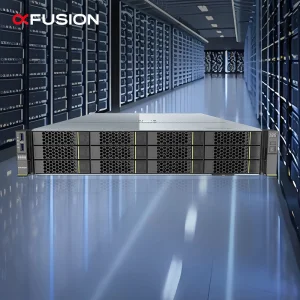
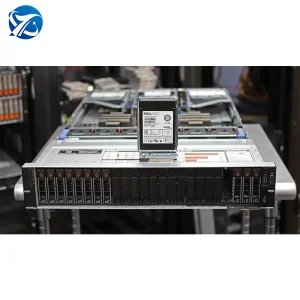
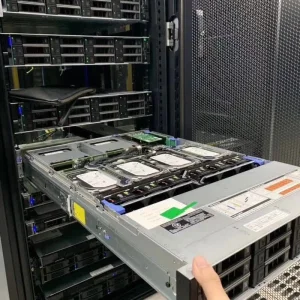
NexoraGPU delivers end-to-end datacenter infrastructure that integrates with existing legacy industrial protocols and hyper-scale architectures.
Building an autonomous test vehicle pipeline requires training deep reinforcement learning agents over billions of virtual miles. By clustering our Dell PowerEdge and FusionServer lines via ultra-low latency InfiniBand switches (NDR 400Gb/s), Nagoya automotive engineers can reduce model convergence times from weeks to hours.
In industrial manufacturing, latency is the bottleneck. Deploying high-density server configurations directly onto Nagoya's assembly floors allows for immediate, sub-millisecond detection of micron-level defects in machined castings, electric battery packs, or sheet metal stampings.
How our rapid prototyping lab, localized raw component sourcing, and rigorous quality metrics protect your computing investments.
Nexora Intelligent Technology Co., Ltd. (Brand: NexoraGPU), founded in 2017, operates a high-precision, rapid-integration assembly facility. We specialize in custom-tailored AI computing arrays. Leveraging 9 years of industry experience and 6 years of export experience, we maintain direct control over key supply-chain channels, pulling components from over 1,250 certified supply chain partners globally.
Our strength lies in custom structural design, custom UEFI firmware configurations, and high-frequency power supply unit (PSU) testing. We employ 128 dedicated R&D engineers and a strict 42-person Quality Control team. This setup ensures that every GPU server undergoes 100% full-load burn-in testing, memory stress testing under thermal duress, and automated performance benchmarking before dispatch.
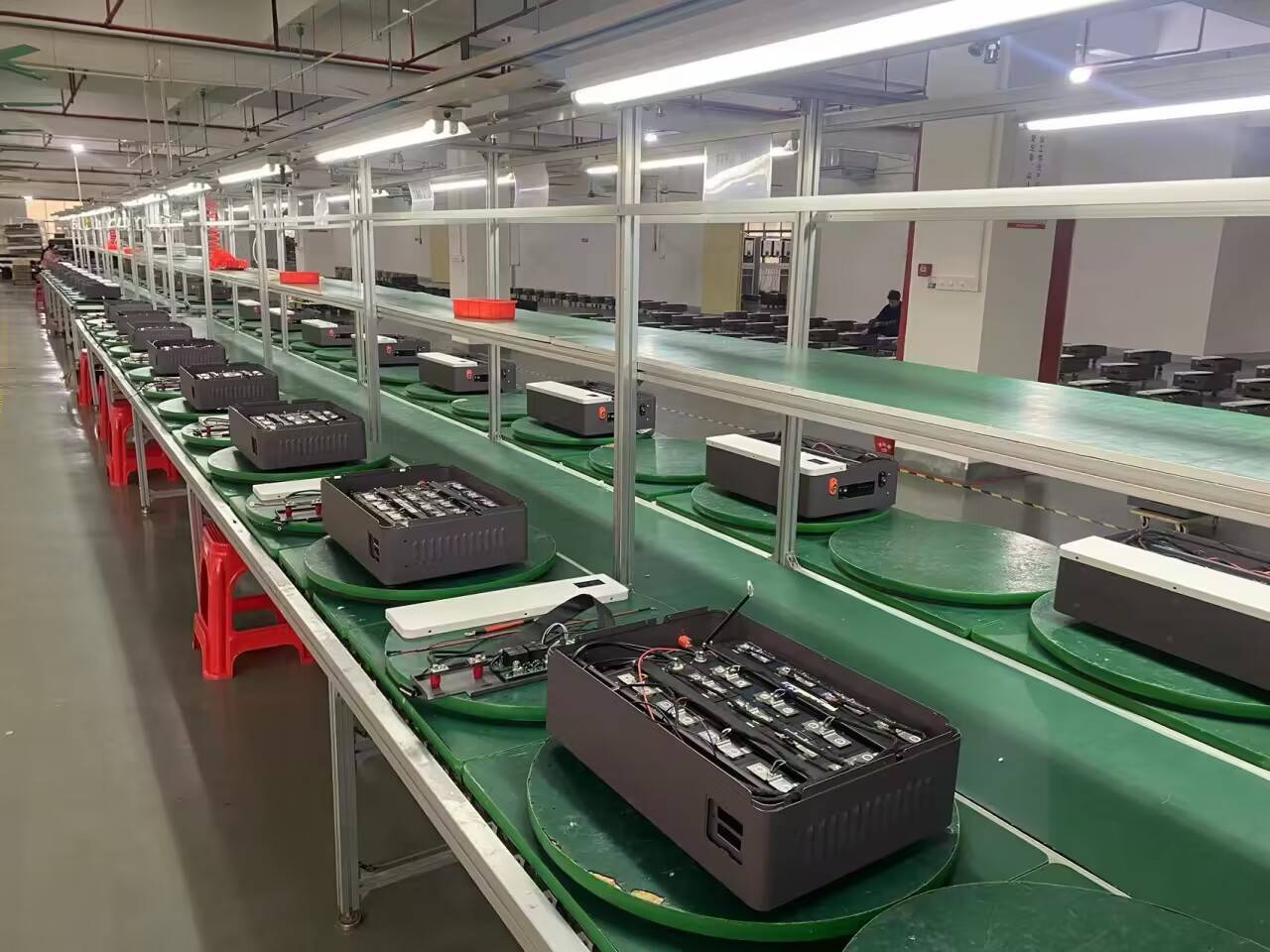

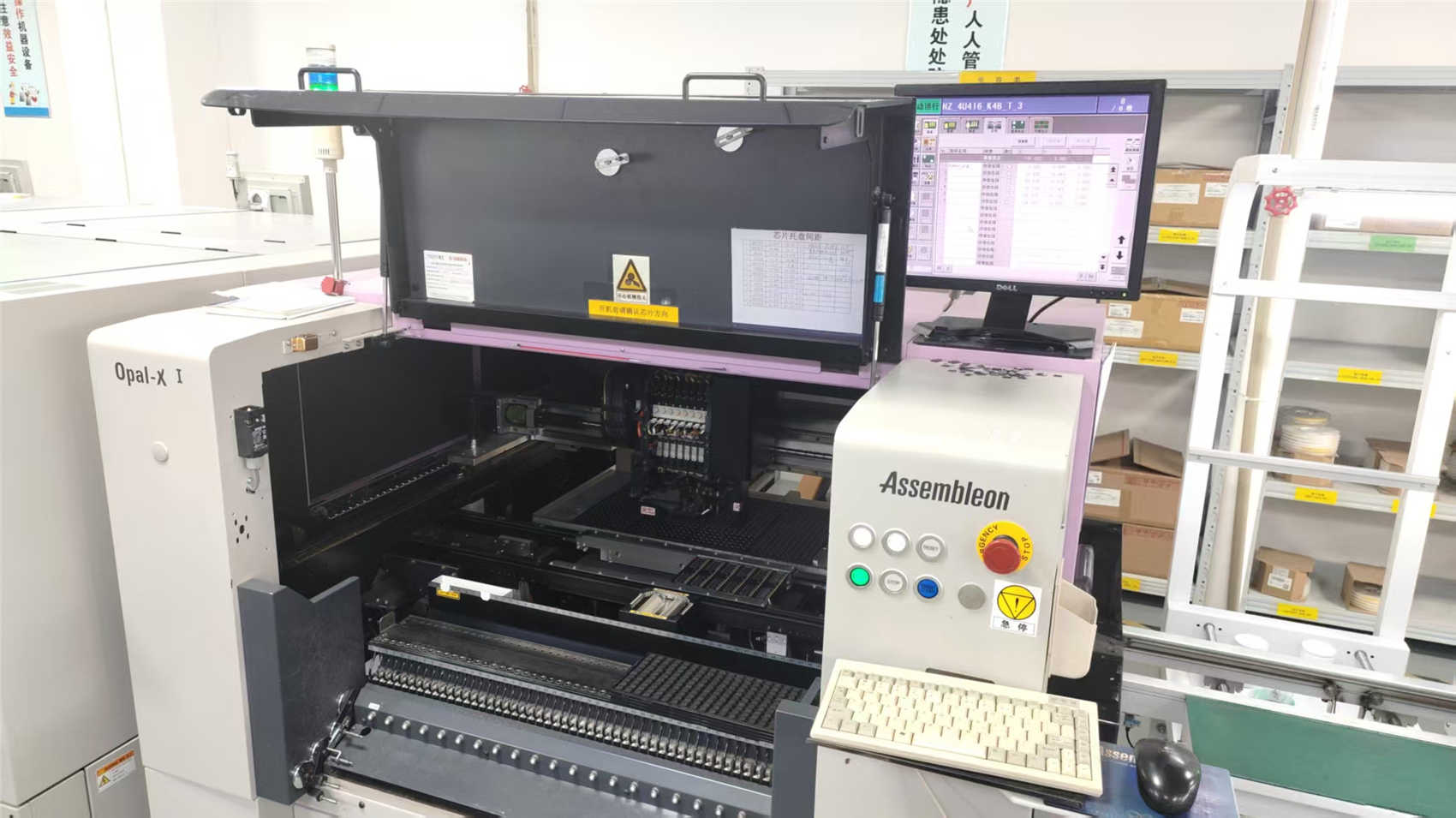
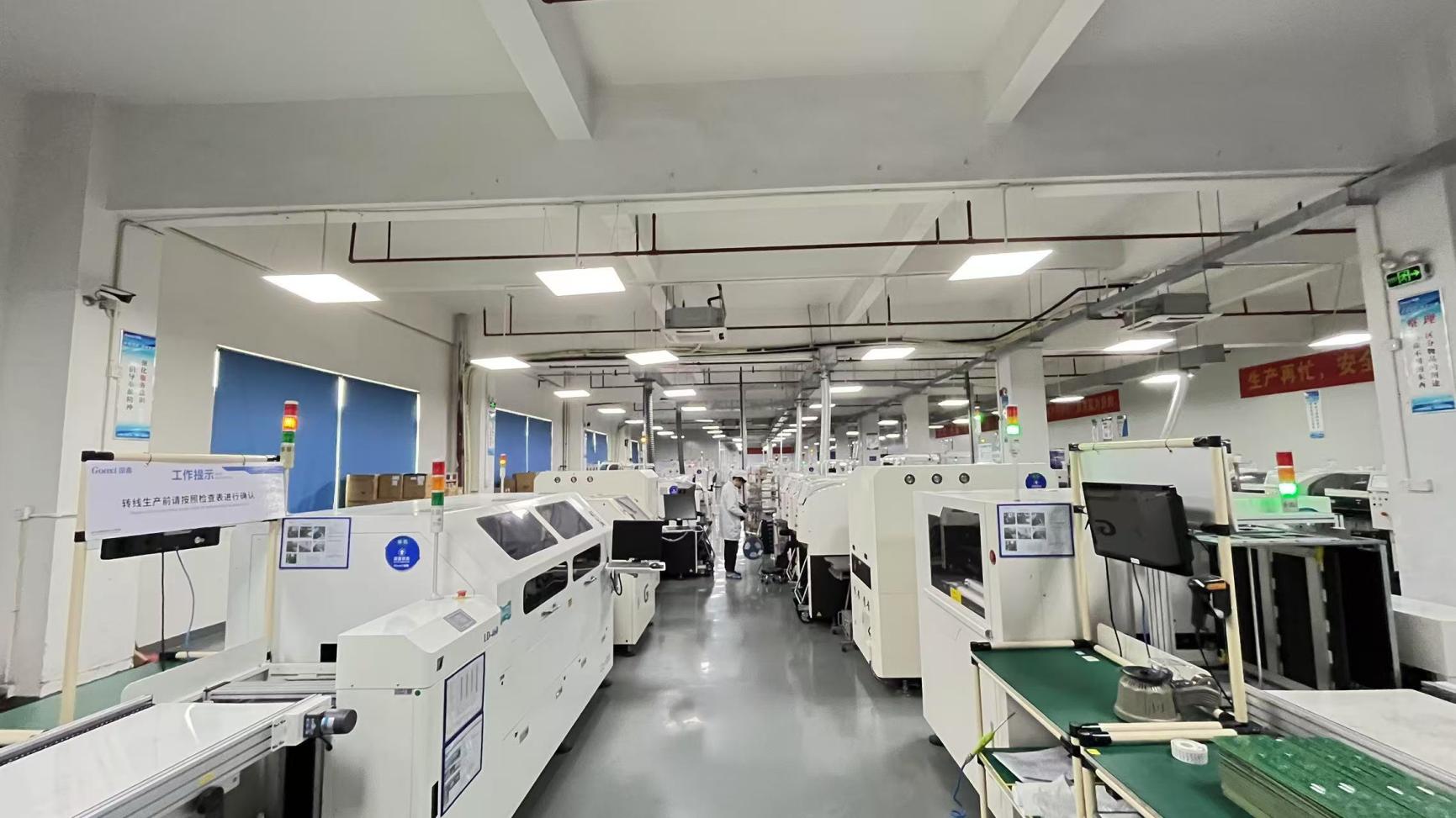
Importing high-performance computing systems into Japan requires adhering to local electrical, environmental, and communications regulations. NexoraGPU ensures seamless custom clearance and safe installation for Chubu enterprises.
All server chassis, switching power supplies (PSUs), and cooling arrays exported to Japan are compliant with the PSE Mark (Product Safety Electrical Appliance & Material) and meet the limits set by the VCCI (Voluntary Control Council for Interference) Class A for corporate and industrial environments. Additionally, our assemblies strictly match J-Moss green chemical standards, ensuring easy decommissioning.
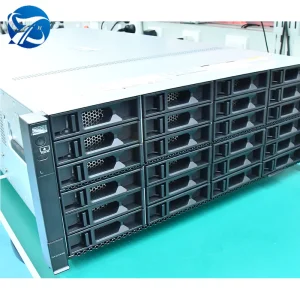
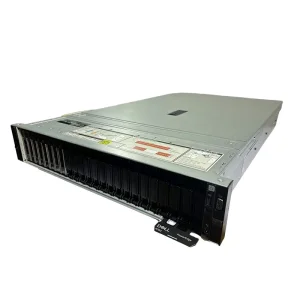
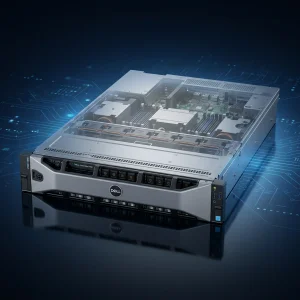
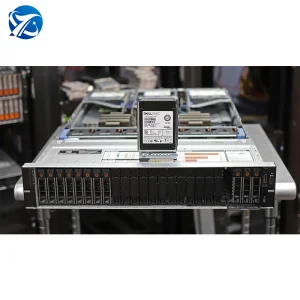
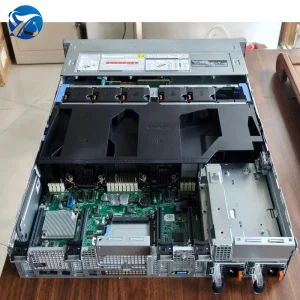
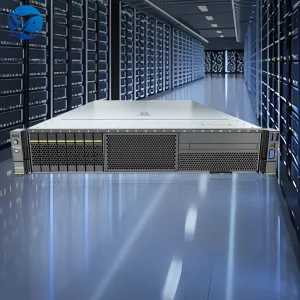
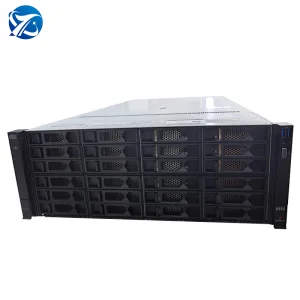
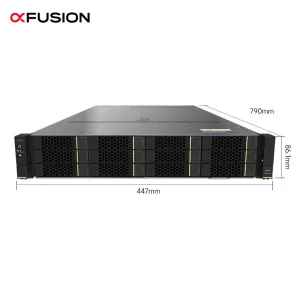
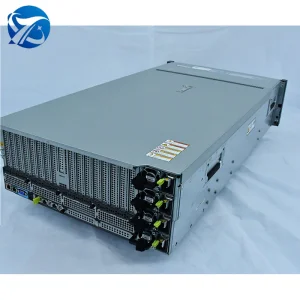
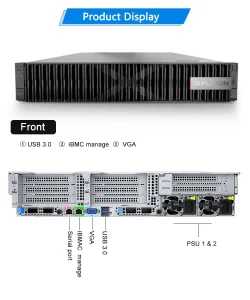
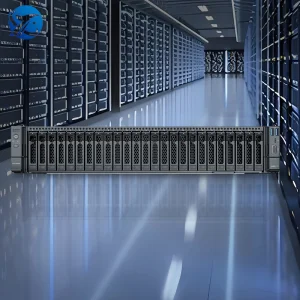
The complete range of 2U/4U GPU and Xeon-based rack mounts configured for deployment in high-density corporate datacenters across Nagoya.
Direct answers regarding technical specifications, customs, and operational support when exporting to the Greater Nagoya area.
Unlike Eastern Japan (Tokyo, which operates on 50Hz), the Chubu region (Nagoya) operates on a 60Hz frequency. When deploying dense compute nodes (like our 2U/4U GPU arrays), drawing massive loads requires 200V single-phase or three-phase connections for maximum efficiency. NexoraGPU pre-configures server PSUs (80 Plus Platinum/Titanium, 1600W-3200W) to match both 200V / 60Hz inputs, minimizing conversion losses and ensuring compatibility with Japanese PDU rails.
We configure open-industry BMC/IPMI firmware based on AST2600 controllers, supporting remote control, health telemetry APIs, and secure HTTPS protocol access. Our in-house R&D team can customize UEFI settings before shipping to match your network boot configurations (PXE boot, secure boot keys) or legacy virtualization hypervisors (VMware ESXi, Proxmox, Hyper-V).
For Japanese buyers importing directly, we supply all necessary documentation for fast clearance, including custom invoice profiles, packaging lists with exact component serials, and certificates of origin. We can ship under DDP (Delivered Duty Paid) or CIF (Cost, Insurance, and Freight) terms to Nagoya Port or Centrair Air Cargo Terminal. Our team will coordinate with your local customs broker or suggest experienced import agents in Japan.
Every server goes through a strict multi-tier testing program. First, components (RAM, CPU, motherboard, NVMe drives) undergo validation. Second, the server is built and run through a 24-48 hour burn-in chamber under 100% processing load. During this step, temperature gradients are monitored across the heatsinks. Finally, GPU performance benchmarks (CUDA tests, PyTorch model workloads) are run to verify that actual system limits match standard baselines.
Empower your manufacturing digitial twins, autonomous driving R&D, and edge-factory processes with custom GPU servers engineered for reliability and high throughput.